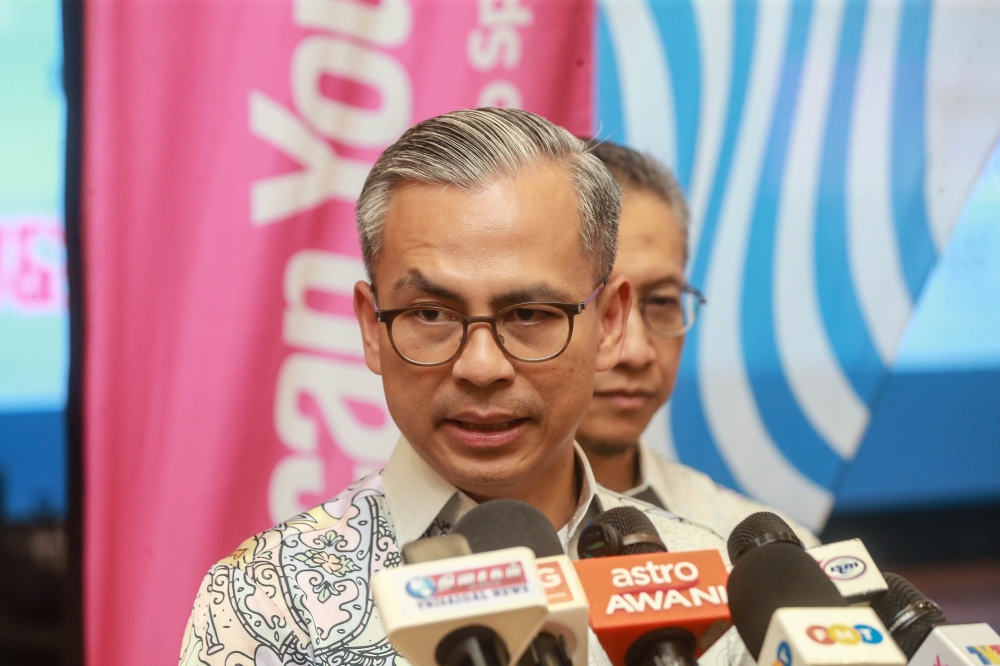
Communications Minister Fahmi Fadzil announced in Putrajaya on August 12 that the Royal Commission of Inquiry report into Lembaga Tabung Haji will be distributed to multiple law enforcement and regulatory bodies to pursue investigations based on the RCI's findings. The decision underscores the scope and seriousness of concerns documented by the inquiry into Malaysia's pilgrimage savings institution.
The report will be forwarded to the Royal Malaysia Police, the Malaysian Anti-Corruption Commission, Bank Negara Malaysia, and the Inland Revenue Board according to Fahmi's statement. This multi-agency approach indicates that the RCI's investigation uncovered issues spanning criminal conduct, financial impropriety, regulatory breaches, and potentially tax-related violations. By distributing the report across these institutions, authorities can initiate parallel investigations within their respective jurisdictions and mandate, creating a comprehensive accountability framework.
The Tabung Haji institution has been the subject of mounting public scrutiny following numerous allegations of financial mismanagement and governance failures. The establishment of the RCI represented a formal acknowledgment of widespread concerns affecting millions of Malaysian Muslims who depend on the institution to manage their pilgrimage savings. Many depositors have expressed anxiety about the safety and accessibility of their funds, making the investigation and subsequent enforcement action matters of significant public interest.
Tabung Haji's troubles have encompassed allegations ranging from questionable investment decisions to governance lapses that may have compromised the financial integrity of the institution. The RCI's mandate was to examine these claims thoroughly and establish facts regarding how funds were managed and whether proper oversight mechanisms were in place. The referral of findings to multiple agencies suggests the inquiry identified conduct that warrants investigation under different legal and regulatory frameworks.
The involvement of Bank Negara Malaysia is particularly significant given the central bank's supervisory role over Islamic financial institutions and payment system operators. The central bank can examine whether Tabung Haji complied with banking regulations, prudential requirements, and governance standards applicable to its operations. This regulatory scrutiny complements criminal investigations by focusing on systemic and institutional failures that may require corrective measures beyond prosecuting individual actors.
The Anti-Corruption Commission's involvement reflects the possibility that the RCI identified conduct potentially constituting corruption, abuse of authority, or breach of trust by officials or board members. As Malaysia's primary anti-corruption agency, MACC can investigate allegations of misconduct and pursue prosecutions under the Malaysian Anti-Corruption Commission Act. This dimension is crucial for restoring public confidence that those responsible for breaches of duty face accountability.
The Inland Revenue Board's inclusion suggests potential tax compliance issues emerging from the RCI's examination. This might encompass questions about whether investment income was properly reported, whether tax obligations were satisfied, or whether there were undisclosed financial arrangements requiring tax scrutiny. The IRB's involvement ensures that the financial aspects of any misconduct are fully examined from a taxation perspective.
For Malaysian depositors and the broader Muslim community relying on Tabung Haji for hajj preparations, the multi-agency investigation signals that authorities are treating the matter with appropriate gravity. However, the referral process also raises expectations that investigations will proceed swiftly and comprehensively. Depositors have long awaited clarity on the status of their savings and assurance that proper governance will be implemented going forward.
The timing and coordination among these four agencies will be critical. Establishing clear communication channels and avoiding duplication of effort while ensuring thorough investigation requires careful management. In similar cases involving institutional failures, coordinated investigation has proven effective in establishing accountability while identifying systemic reforms needed to prevent recurrence.
Tabung Haji's restoration requires not only identifying and addressing past wrongdoing but also implementing stronger governance safeguards, enhanced transparency mechanisms, and clearer accountability structures. The RCI report and subsequent investigations will generate critical evidence and findings that should inform these reforms. Depositors and the government will be looking to see whether recommendations from the RCI are acted upon swiftly.
The referral also reflects Malaysia's commitment to investigating institutional wrongdoing through established legal and regulatory channels. In recent years, Malaysia has pursued accountability for financial mismanagement across several major institutions, demonstrating that no organization is above scrutiny regardless of its size or significance to the Muslim community.
Despite the serious nature of the allegations, the involvement of multiple agencies introduces complexity in managing public expectations. Investigations can take considerable time, and the sequential disclosure of findings across different agencies may create confusion. Authorities should consider establishing a coordinated communication strategy to keep stakeholders informed about progress while respecting the integrity of ongoing investigations.
As investigations proceed, attention will focus on whether findings lead to meaningful accountability and substantive institutional reform at Tabung Haji. The test of whether the RCI process delivers genuine change will ultimately be measured by the strength of investigations, the outcomes of any enforcement actions, and the concrete improvements implemented to protect future depositors and restore confidence in Malaysia's pilgrimage savings system.

