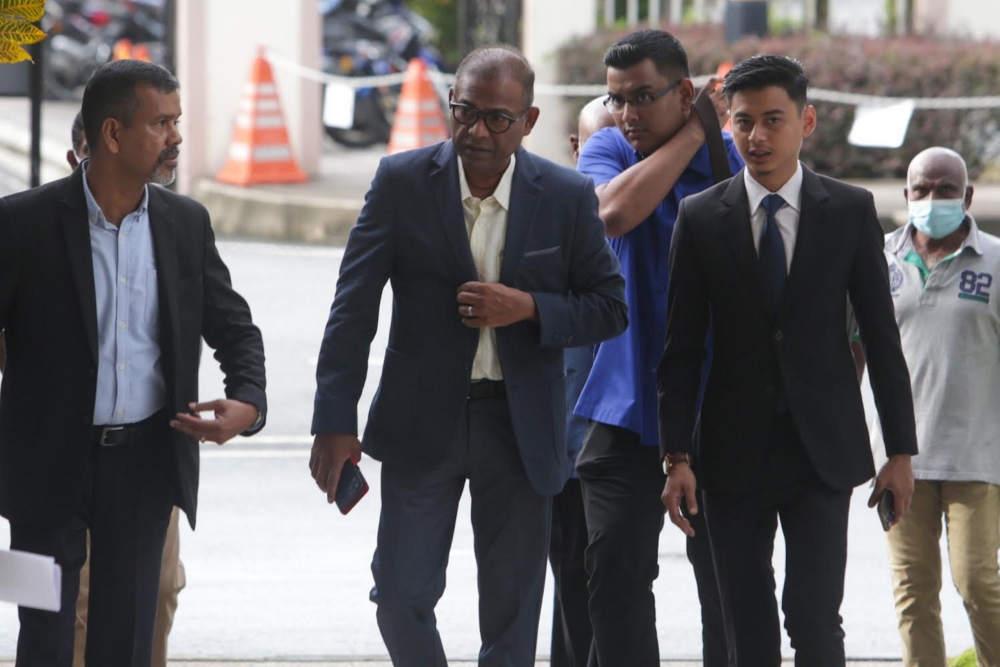
Kuala Lumpur—Online chatter suggesting that former Baling Member of Parliament Datuk Seri Abdul Azeez Abdul Rahim had been taken into custody by the Malaysian Anti-Corruption Commission (MACC) appears to be unfounded, according to his son, who has publicly pushed back against the claims spreading across social media platforms. The younger Abdul Azeez released a statement on August 16 emphasising that no such arrest had taken place, characterising the narrative as mere speculation rather than substantiated fact. His intervention underscores the speed with which unverified allegations can circulate in the digital sphere, particularly when they touch on high-profile figures connected to sensitive institutional matters.
The timing of these rumours coincides with heightened public scrutiny of Tabung Haji's affairs, which has long attracted controversy and debate among Malaysian stakeholders. The pilgrimage fund has faced sustained criticism over governance structures, investment practices, and asset management decisions spanning multiple administrations. A Royal Commission of Inquiry established to examine these institutional matters has brought renewed focus to decisions made during various periods, inevitably inviting speculation about which prominent figures might face further investigation or potential action.
Abdul Azeez, who represented Baling in parliament during his political career, holds a background that makes him relevant to conversations surrounding Tabung Haji's operational history. Public figures with connections to the fund's stewardship have increasingly found themselves at the centre of renewed scrutiny as investigations progress. The distinction between those who held formal responsibility and those whose involvement was peripheral remains important context for understanding the scope and direction of any formal inquiry.
The son's rebuttal demonstrates a proactive communications strategy, one that reflects how families of public figures now respond to digital allegations. Rather than allowing unverified claims to persist unchallenged, he moved quickly to deny the assertions and characterise them as rumours lacking any factual foundation. This approach mirrors broader shifts in how political figures and their associates engage with social media as a contested space where narratives can take root rapidly without institutional verification.
The prevalence of such rumours speaks to deeper patterns within Malaysian political discourse, where institutional investigations, anti-corruption bodies, and oversight mechanisms generate intense speculation. Citizens and commentators closely monitor developments involving prominent names, partly because questions of institutional accountability remain central to ongoing governance debates. The appetite for information about these matters is genuine, but the absence of official channels for regular, detailed updates creates a vacuum that rumour and speculation inevitably fill.
MACC's actual involvement in Tabung Haji-related matters remains a legitimate area of public interest. The Commission's statutory mandate encompasses investigating corruption allegations touching on public institutions and officials, so any involvement it may have would fall squarely within its remit. However, the distinction between ongoing investigations and formal arrest procedures is significant; premature or inaccurate claims of custody can mislead the public about the actual state of institutional action.
The Royal Commission of Inquiry into Tabung Haji itself represents an attempt to provide systematic, structured examination of the fund's affairs rather than ad hoc investigations. Multiple layers of institutional oversight—including the RCI, MACC, parliamentary committees, and journalistic scrutiny—now engage with various aspects of Tabung Haji's history. Understanding which entity is investigating what, and at what stage various inquiries stand, requires careful attention to official communications rather than speculation.
For Malaysian observers, the broader lesson concerns the importance of distinguishing between rumour and verified reporting when assessing allegations against public figures. Social media's democratisation of information dissemination has significant benefits, but it also enables rapid spread of unsubstantiated claims. The burden falls on readers to seek confirmation from credible sources and on institutions to provide timely, transparent communication about their actions.
The incident also highlights the particular vulnerability of investigations into historical decisions and past governance. When institutions like Tabung Haji undergo scrutiny for actions taken years earlier, individuals peripherally or directly involved face potential reputational damage from mere association with controversy, even before any formal findings emerge. This dynamic creates legitimate concern for those named or implicated, while simultaneously warranting public patience with institutional processes that properly require time and evidence.
Moving forward, clarity from relevant authorities about the scope and targets of investigations would serve the public interest better than allowing speculation to fill information gaps. MACC, the RCI, and other bodies involved in Tabung Haji matters might benefit from more regular public briefings on their progress, subject to legitimate confidentiality constraints. Such transparency would simultaneously protect individuals wrongly rumoured to be under investigation while maintaining public confidence in oversight mechanisms themselves.

