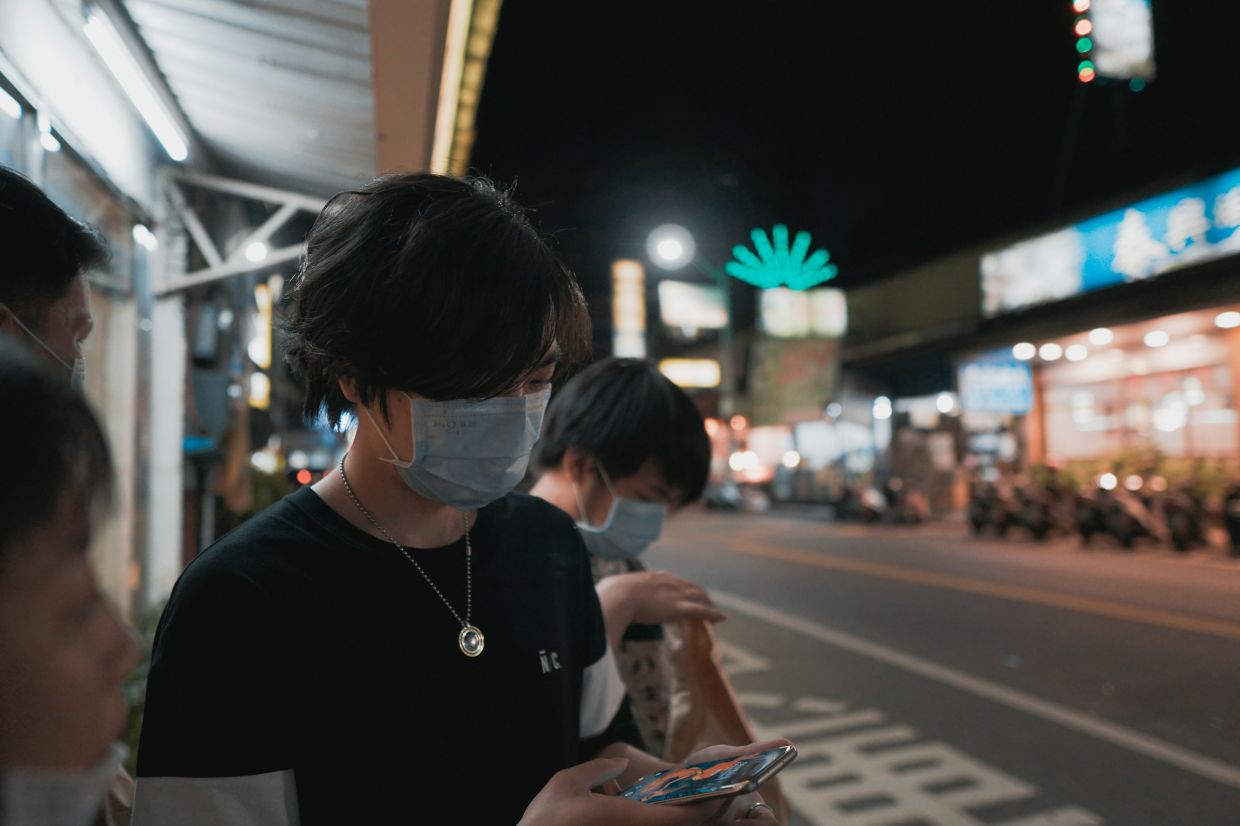
Taiwan is preparing for unprecedented security contingencies through its first-ever mobile internet disruption exercise, deliberately slowing data speeds across populated regions to familiarize the public with communications breakdowns during crises. The simulation represents a significant evolution in how the self-governing island approaches civil defence, moving beyond traditional evacuation drills into territory that directly addresses modern infrastructure vulnerabilities. National security officials confirmed the exercise will unfold on August 10 in central Taiwan and August 13 in northern Taiwan, including the capital Taipei, with data speeds deliberately degraded between 2:30 pm and 3 pm to render video streaming and data-heavy applications effectively unusable.
The timing of the drill underscores Taiwan's growing concern about multiple simultaneous threats. While military tensions with Beijing dominate regional headlines, the island faces constant exposure to natural disasters—typhoons strike regularly during summer months, and Taiwan sits along a major seismic zone where earthquakes can strike with little warning. Officials acknowledge that a realistic emergency response must account for scenarios where critical infrastructure sustains damage from either military conflict or environmental disaster, leaving civilian populations without their primary information channel. By staging this exercise now, authorities signal that they view comprehensive infrastructure resilience as essential to national security planning.
Unlike traditional drills that remain largely invisible to ordinary citizens, this exercise directly engages the population in understanding how society functions without dependable mobile data. Voice calls, text messaging, and fixed-line broadband will remain operational during the test window, creating a controlled environment where people can experience communication limitations without experiencing complete isolation. This graduated approach allows citizens to discover gaps in their family communication plans and household emergency procedures before a genuine crisis occurs. Officials emphasized that the exercise aims to encourage households to establish backup contact protocols and identify where they can obtain shelter information and relief assistance when standard digital channels fail.
Taiwan's decision to expand drill realism reflects hardening official assessments of the security environment. Beijing has dramatically intensified military activities around the island over recent years, conducting near-daily air operations and regular naval exercises while explicitly refusing to renounce the use of force to achieve reunification. These operations have grown more coordinated and sophisticated, with multiple aircraft and vessels now conducting simultaneous operations that strain Taiwan's air defence resources. Additionally, China announced it would maintain patrol operations east of Taiwan following maritime boundary talks between Japan and the Philippines, further complicating regional security dynamics and suggesting Beijing views the waters surrounding Taiwan as contested space requiring constant military assertion.
The broader August exercises extend far beyond the mobile internet simulation, incorporating multiple dimensions of civilian resilience that recognize how modern warfare or major disasters create cascading failures across interconnected systems. Evacuation operations will receive focused attention, with drills examining how to move large civilian populations from vulnerable areas into designated shelters efficiently. The exercises will also test Taiwan's capacity to surge medical services, a critical concern given how conflict or major earthquakes could simultaneously disable multiple hospitals while generating mass casualties. Notably, the drills will incorporate drone technology for delivering essential commodities and medical supplies, recognizing that road networks and conventional logistics networks may sustain damage during major contingencies.
For Malaysia and other Southeast Asian nations, Taiwan's expanding civil defence capabilities carry broader implications. Taiwan's ability to maintain government functions, public order, and essential services during a major crisis directly affects regional stability and economic continuity. The Taiwan Strait remains one of the world's most critical shipping lanes, with trillions of dollars in annual commerce transiting the waters. Any sustained disruption to Taiwan's infrastructure—whether from military conflict, natural disaster, or cascading systems failures—would reverberate through Southeast Asian supply chains, manufacturing hubs, and financial markets. Taiwan's investment in comprehensive resilience therefore represents a stabilizing factor for the entire region.
The drill also reflects how Taiwan's strategic planners now view hybrid threats—situations where military pressure combines with infrastructure vulnerability to create maximum civilian disruption. Chinese military exercises regularly incorporate elements designed to test Taiwan's civil systems, and officials assess that any future conflict scenario would deliberately target civilian morale and confidence in government capacity. By running realistic drills that expose infrastructure vulnerabilities before they manifest during actual crises, Taiwan aims to harden both its systems and its population's psychological resilience. Citizens who have experienced a controlled mobile internet blackout and successfully navigated the resulting communication challenges will demonstrate greater composure if similar circumstances occur during genuine emergencies.
Official statements indicate that these August exercises represent merely the opening phase of increasingly sophisticated civil defence planning. Future drills will expand beyond mobile data disruptions to simulate failures across telecommunications networks more broadly, potentially including landline and fixed-broadband outages. Such expansions would test how emergency services coordinate without access to conventional telecommunications infrastructure, forcing reliance on backup systems like radio networks and face-to-face coordination. This progressive escalation in drill complexity mirrors how militaries conduct exercises that incrementally increase in scope and difficulty, allowing personnel to master basic procedures before attempting more complex scenarios.
The broader context of Taiwan's security posture suggests these civil defence exercises carry both practical and symbolic significance. Practically, they identify infrastructure vulnerabilities and gaps in emergency response procedures before actual crises occur. Symbolically, they demonstrate governmental competence and forward planning, reassuring the public that authorities recognize threats and maintain active preparations. In an environment where China's military pressure generates periodic anxiety about Taiwan's vulnerability, visible demonstration that the government conducts sophisticated, realistic emergency planning provides psychological reassurance that authorities are actively managing the security challenge rather than passively accepting increased threat levels.

