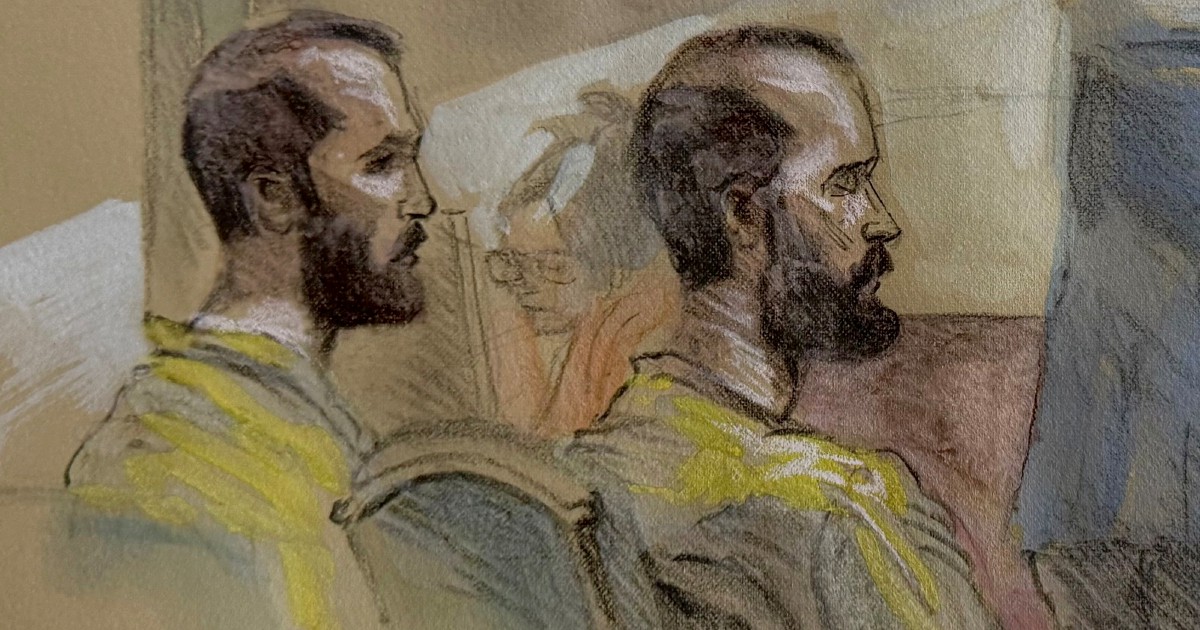
The Tate brothers, controversial figures who amassed millions of followers across social media platforms, will continue their detention in a Miami federal facility as legal proceedings surrounding their potential extradition to Britain advance at a measured pace. During proceedings in Miami federal court on Thursday, Magistrate Judge Lauren Louis chose not to issue an immediate determination regarding the influencers' application for bail, effectively keeping them in federal custody until she formally announces her decision. The delay reflects the complexity of extradition cases involving high-profile defendants with resources to mount sophisticated legal challenges across international jurisdictions.
Andrew and Tristan Tate face serious allegations in Britain, where prosecutors have charged them with rape offences. The charges represent part of a broader investigation into the brothers' conduct and business operations. Their cases have drawn significant media attention both in the United States and internationally, particularly given their prominence as social media personalities who built substantial audiences through controversial content and lifestyle branding. The detention status remains central to the legal strategy of both the prosecution and defence, as bail conditions could affect their ability to prepare their extradition defence.
The decision to postpone the bail ruling suggests Judge Louis requires additional time to deliberate on complex legal questions surrounding the brothers' potential flight risk, the strength of the evidence before her, and relevant international law principles governing extradition proceedings. Magistrate judges in federal cases often face pressure to balance the presumption of liberty against security concerns and the interests of justice. In cases involving extradition requests from allied nations like Britain, courts must carefully weigh whether release conditions could be imposed that would adequately ensure appearance at future proceedings.
For Malaysian and Southeast Asian observers, this case highlights how digital-age influencers who operate internationally can find themselves subject to multiple jurisdictions' criminal law enforcement. The Tate brothers built their followings substantially across Asia-Pacific markets, meaning their legal troubles carry relevance beyond Western legal systems. The case demonstrates that social media prominence and commercial success do not provide immunity from criminal investigation, regardless of geographic location or initial platform success.
The extradition process itself is multifaceted and typically protracted. Once a formal extradition request arrives through diplomatic channels, the receiving nation's courts must determine whether sufficient evidence exists to justify surrender of the defendant. This differs from criminal trial procedures; extradition hearings focus on whether probable cause supports the allegations rather than guilt or innocence on the merits. The brothers' legal team will likely pursue all available procedural challenges, potentially filing additional motions and appeals that extend the timeline significantly.
Britain's legal system has demonstrated increasing willingness to prosecute cases involving online harassment, sexual offences, and trafficking allegations, particularly when substantial evidence emerges through social media monitoring and victim testimony. The charges against the Tate brothers reflect this broader enforcement trend across major democracies responding to public concern about digital platforms enabling harmful conduct. The extradition request signals that British authorities view the evidence as sufficiently serious to warrant seeking their prosecution in UK courts.
The American federal detention system will hold the brothers as their cases progress. Federal custody differs markedly from state jail conditions and typically provides greater security and structure, though detainees remain restricted in movement and communication. The length of detention while extradition proceedings conclude remains uncertain, as such cases frequently take months or even years to resolve through the full appellate process.
Their legal representatives will undoubtedly argue various grounds for bail, including employment history, community ties, and stable residency. However, extradition cases present particular complications for bail analysis because traditional factors like community ties may hold reduced weight when the defendant faces removal to another country. Judges must assess whether conditions could realistically prevent flight when the defendant faces potentially lengthy prison sentences abroad.
The broader context involves scrutiny of influencer culture and responsibility. The Tate brothers represent a particular strain of online content creation centred on controversial gender commentary and lifestyle promotion that attracts both devoted followers and significant critics. Their legal jeopardy has prompted discussions internationally about accountability for public figures with substantial reach and influence, particularly when their messaging potentially normalizes problematic attitudes.
For the Malaysian legal and business community, the case offers perspective on international criminal cooperation and extradition frameworks that increasingly affect transnational digital economy participants. Influencers, technology entrepreneurs, and online business operators operating across borders must understand that criminal liability follows them internationally. The precedent established through high-profile cases like this one shapes the enforcement landscape that others must navigate.
Judge Louis's eventual ruling on bail will likely emerge within several weeks, based on typical federal court timelines. That decision will prove significant for the brothers' ability to manage their defence and personal affairs, though it will not resolve the fundamental extradition question. The case will continue advancing through preliminary stages before any determination about whether the brothers ultimately face prosecution in British courts alongside their American proceedings.

