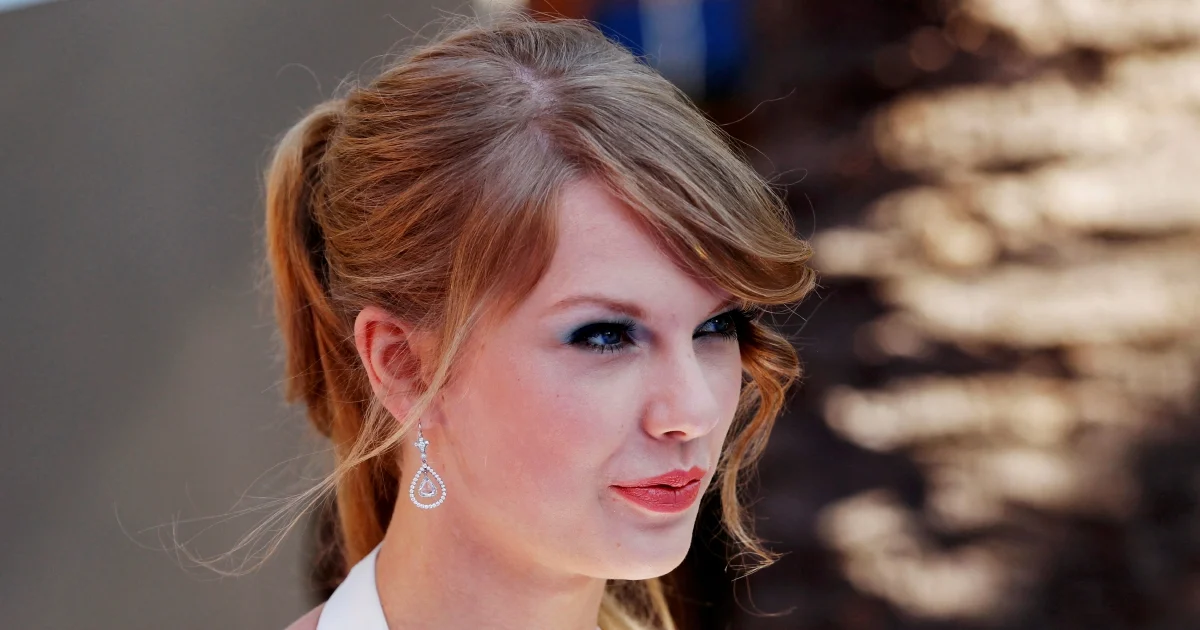
A federal judge in the United States has dismissed a legal challenge brought against Taylor Swift, concluding that claims of plagiarism involving work allegedly copied from a Florida-based poet lacked sufficient merit to proceed. The ruling, handed down on Monday, brings an end to litigation that had sought to establish the globally dominant pop figure had incorporated phrases from the plaintiff's poetic catalogue into more than a dozen of her own compositions.
The case represents one of several intellectual property disputes that have surfaced around Swift's expansive catalogue as she has ascended to become one of the world's most commercially successful musicians. The dismissal underscores the legal complexity and high threshold required to sustain plagiarism allegations in the music industry, where similarities in language and thematic elements are frequent occurrences and where courts have generally required compelling evidence of deliberate appropriation rather than coincidental overlap.
Swift recently entered married life following her union with actor Travis Kelce, adding another chapter to her highly scrutinised personal trajectory. The timing of the judge's decision comes amid intense public fascination with her activities both professional and personal, though the legal matter itself had remained separate from celebrity gossip narratives. The dismissal now removes one layer of legal exposure for the artist as she continues navigating a career marked by constant creative output and corresponding public interest.
Plaintiffs pursuing plagiarism claims in copyright litigation face substantial obstacles in American courts, particularly when alleging unauthorised use of common phrases or general thematic material. Legal precedent establishes that copyright protects specific creative expression rather than ideas, concepts, or isolated word combinations that may appear across multiple works. The judge's decision to dismiss the case suggests the court determined the evidence presented did not establish a sufficiently particularised basis for claiming Swift had deliberately replicated recognisable creative elements from the Florida poet's body of work.
The music industry confronts persistent questions about inspiration, influence, and direct copying as artists draw from vast archives of existing creative material. Swift herself has occasionally acknowledged inspirations from other writers and musicians, though she has typically framed such connections as natural creative lineage rather than unauthorised borrowing. The distinction between legitimate artistic inspiration and actionable plagiarism remains contested terrain both legally and culturally, with different stakeholders maintaining varying standards for what constitutes acceptable adaptation versus improper copying.
For Malaysian audiences tracking Swift's international profile, this development reflects the practical realities of intellectual property enforcement across jurisdictions. The American legal system's handling of such disputes carries implications for how creative industries globally navigate attribution, originality, and fair use. Swift's dominant position in global markets means her legal challenges frequently attract international attention, particularly among entertainment professionals and aspiring creators monitoring how established figures manage potential liability.
The dismissal also highlights how litigation costs and evidentiary burdens can effectively bar meritorious claims even when genuine copying may have occurred. Conversely, such procedures similarly protect prominent creators from frivolous suits that might otherwise impose resource-draining expenses. Swift's substantial legal resources presumably positioned her effectively for contesting the allegations, raising questions about whether similarly situated plaintiffs without comparable financial backing might face different outcomes in structurally similar disputes.
The Florida poet's specific allegations and the judge's reasoning for dismissal underscore how contemporary copyright law struggles to address questions of unconscious borrowing, cultural transmission, and artistic evolution in digital environments where creative material circulates continuously. Swift's work frequently references her own lived experiences and relationships, sometimes incorporating language patterns common to confessional songwriting traditions. Distinguishing between permissible use of such established conventions and impermissible copying of specific creative elements demands nuanced legal analysis.
As Swift's career continues its unprecedented trajectory—encompassing record-breaking album releases, international touring, and expanding entertainment ventures—her legal profile inevitably expands alongside her commercial prominence. The resolution of this particular claim removes one item from her litigation docket, though high-profile creators of her stature typically maintain ongoing engagement with intellectual property questions from multiple directions. The dismissal, while favourable to Swift, also represents a routine aspect of modern celebrity existence in which successful artists frequently defend their creative independence against various external claims.
For the broader music industry and creators across Southeast Asia observing American legal developments, this case illustrates both the protections available to original creators and the challenges inherent in enforcing such protections against well-resourced defendants. The outcome neither definitively establishes whether copying occurred nor provides guidance that would substantially alter how artists approach their creative process or attribution practices. Instead, it reflects the ordinary functioning of judicial systems in filtering claims according to established legal standards and procedural thresholds.

