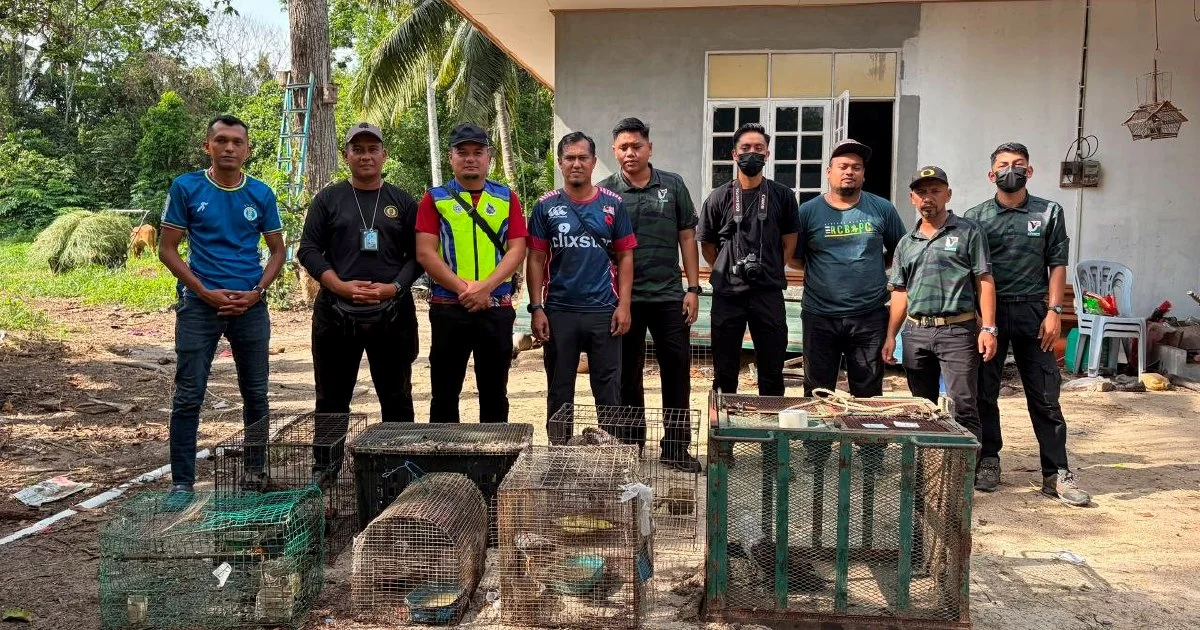
Law enforcement agents in Tumpat conducted a successful operation that resulted in the detention of an 18-year-old suspect carrying four distinct species of protected wildlife, collectively assessed at nearly RM48,500. The arrest underscores the persistent challenges Malaysian authorities face in combating illegal wildlife trafficking, a multi-million-ringgit criminal enterprise that threatens the nation's biodiversity and violates international conservation agreements.
The confiscated animals represent a significant seizure by regional enforcement standards, indicating that the suspect was potentially involved in a broader trafficking network rather than acting as a lone operator. The specific identification of four separate species suggests organised trafficking infrastructure, as individuals typically target multiple varieties to maximise profit and distribute risk across different buyer networks. This level of operational sophistication points to the involvement of experienced intermediaries who understand market demand, transportation logistics, and buyer preferences across peninsular and regional markets.
Wildlife trafficking constitutes one of Southeast Asia's most lucrative illicit economies, generating billions of ringgit annually through networks spanning source countries, transit hubs, and destination markets in East Asia. Malaysia's position as both a source and conduit for illegal wildlife makes it particularly vulnerable to trafficking pressures. The confiscated specimens were likely destined for lucrative international markets where protected species command premium prices from collectors, traditional medicine practitioners, and exotic pet enthusiasts willing to circumvent conservation laws.
The four protected species involved in this case fall under Malaysia's Wildlife Conservation Act 2010, legislation designed to safeguard endangered fauna from overexploitation. Possession of such animals without proper permits constitutes a serious criminal offence carrying substantial penalties. The monetary valuation of RM48,500 reflects both the scarcity of these animals in the wild and the black-market premiums buyers willingly pay to circumvent legal restrictions. Each species carries distinct ecological importance, and their trafficking removal represents a conservation loss beyond simple economic calculations.
Young individuals like the 18-year-old suspect often become foot soldiers in larger trafficking operations, recruited because they face lighter sentences and can be more easily replaced within criminal networks than established operators. Trafficking syndicates systematically exploit youth to handle physical transportation, temporary storage, and direct point-of-sale transactions, insulating senior organisers from direct law enforcement contact. This structural arrangement means that apprehending street-level traffickers, while important for operational disruption, rarely dismantles the networks orchestrating large-scale operations.
Tumpat's location in Kelantan, a state bordering Thailand with significant wildlife habitat, makes it a strategic trafficking corridor. The proximity to international borders facilitates rapid cross-border movement of contraband before enforcement agencies can coordinate interdiction efforts. Kelantan's forests and natural reserves harbour populations of rare animals attractive to trafficking networks, creating supply-side vulnerabilities that domestic enforcement struggles to address without coordinated regional cooperation and meaningful investment in field patrols.
Malaysian enforcement agencies have intensified efforts against wildlife trafficking through specialised units, inter-agency task forces, and enhanced penalties in recent years. However, trafficking remains persistent because profits substantially exceed apprehension risks for organised networks with sophisticated procurement and distribution systems. The arrest in Tumpat represents successful detection and seizure, but wider industry patterns suggest that for every trafficker detained, numerous others successfully move contraband through alternative routes and methods.
International cooperation remains critical to disrupting trafficking networks that exploit weak points in enforcement across multiple jurisdictions. Intelligence sharing with ASEAN partners, joint operations targeting transnational smuggling routes, and coordinated border management represent essential components of effective regional responses. Malaysia's participation in international wildlife crime prevention frameworks positions it to benefit from cross-border intelligence and technical support, yet trafficking volumes continue escalating despite these cooperative mechanisms.
The detained teenager will face prosecution under wildlife protection statutes, with sentencing likely reflecting the value and species diversity of confiscated animals. Successful prosecution contributes to general deterrence and signals enforcement commitment, potentially encouraging public reporting of trafficking activities. However, sustained trafficking reduction requires addressing underlying economic drivers that make illegal wildlife commerce attractive to vulnerable youth, particularly in economically marginalised communities where alternative income sources are limited.
This arrest reinforces that wildlife trafficking enforcement operates as an ongoing struggle rather than a winnable campaign without systemic changes addressing demand, economic incentives, and supply chain vulnerabilities simultaneously. Conservation success depends on enforcement efficacy, but also on broader efforts to strengthen natural habitat protection, support community-based conservation initiatives in source areas, and reduce consumer demand in destination markets through awareness campaigns and legal alternatives.

