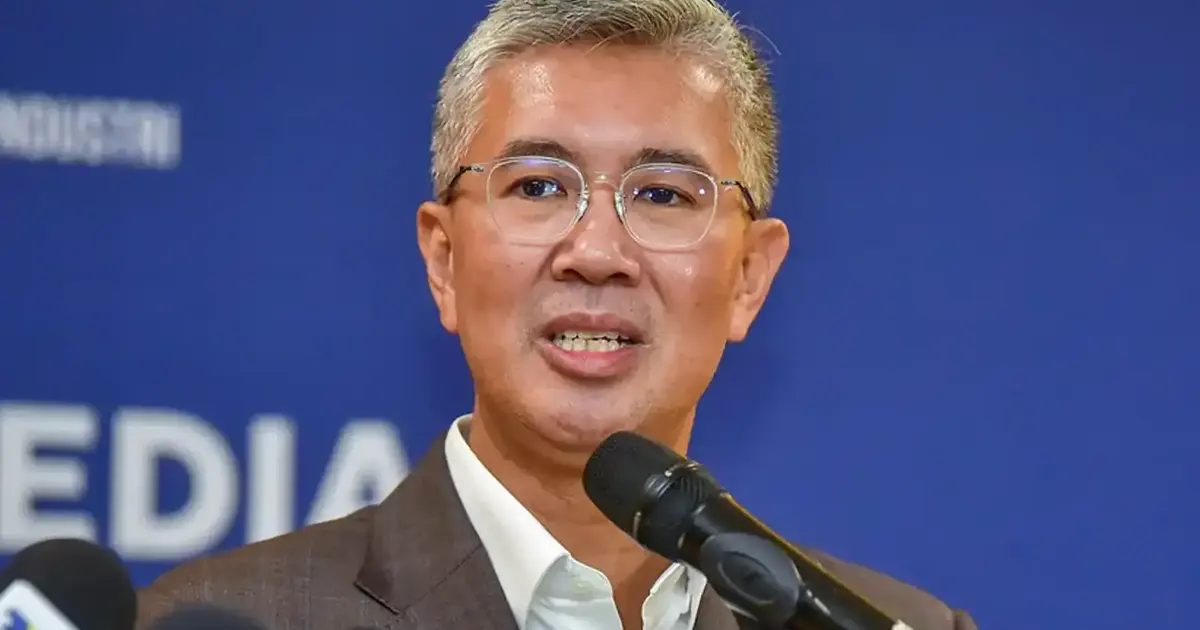
Tengku Zafrul has signalled his readiness to contest another parliamentary seat in Selangor for the upcoming 16th general election, marking a potential comeback bid in electoral politics after his defeat two years ago. The former minister, who carries substantial experience from his time in high-ranking government positions, appears undeterred by his previous loss and is actively exploring opportunities to return to Parliament through a constituency in the key opposition-held state.
During the 15th general election in November 2022, Tengku Zafrul stood as Umno's candidate in Kuala Selangor, only to suffer defeat at the hands of Dzulkefly Ahmad, the vice-president of Amanah who emerged victorious in that contest. The loss came during a turbulent period for the ruling coalition and represented a significant setback for the former minister's political standing. Kuala Selangor, long considered a competitive seat, demonstrated the challenges facing Umno candidates in the context of shifting voter preferences and the strength of opposition-coalition politics in Selangor.
Tengku Zafrul's interest in contesting again reflects the broader pattern within Umno of senior figures maintaining or rebuilding their parliamentary presence ahead of the next nationwide polls. His experience as a former finance minister and his track record in government circles position him as a credible candidate for party leadership and policy-making discussions. For Umno, fielding experienced figures like Tengku Zafrul serves the dual purpose of retaining institutional knowledge within the party whilst attempting to recapture parliamentary seats that slipped away in recent electoral contests.
The Selangor political landscape remains one of Malaysia's most critical battlegrounds. As the country's most populous state and economic engine, Selangor's electoral outcome carries outsized importance in determining coalition viability at the federal level. The state has been governed by opposition coalitions since 2018, and efforts to recapture seats there would constitute a major objective for Umno and its allies heading toward GE16. Tengku Zafrul's consideration of contesting reflects this strategic prioritisation.
His potential candidacy also signals broader calculations within the party hierarchy regarding parliamentary representation and cabinet-building for any future governing coalition. Former ministers who maintain or regain seats tend to enjoy greater leverage in post-election government formation. For Umno, a party that has experienced significant electoral volatility in recent years, retaining experienced hands in Parliament remains important for maintaining its claim to governance competence and policy continuity.
The timing of such signals carries importance within Malaysian political cycles. Discussions about potential candidacies typically intensify in the years preceding a general election, as party machinery moves toward finalisation of candidate lists. Tengku Zafrul's openness to contesting another Selangor seat demonstrates that high-profile figures remain engaged with electoral processes despite previous setbacks, and that calculations about political futures continue across the Malaysian political spectrum.
For voters in Selangor constituencies, the emergence of established political figures as potential candidates generally shapes electoral narratives and voter considerations. Tengku Zafrul's profile and government experience would likely feature prominently in any campaign materials, positioning him as a representative of administrative experience and policy expertise. Conversely, opposition parties would likely utilise messaging about his tenure in government and responses to his previous electoral loss.
The broader context involves Umno's efforts to revitalise its electoral machinery and reconnect with voters after disappointing performances in recent polls. The party's strategy appears to include deploying experienced candidates with government credentials alongside younger representatives, attempting to project both continuity and renewal. Tengku Zafrul's potential candidacy fits within this framework, offering a recognisable figure with administrative background to voters weighing their electoral choices.
For Malaysian political observers, such developments underscore the ongoing strategic positioning within major parties as electoral cycles progress. Decisions about candidacies reflect internal party dynamics, calculations about voter sentiment in specific constituencies, and broader coalition-building imperatives. Tengku Zafrul's interest in another shot at Parliament demonstrates that even electoral defeats do not necessarily terminate political ambitions or participation among established figures.
As Selangor remains crucial for determining federal political outcomes, any high-profile candidacies there attract attention from across the political spectrum. The state's voting patterns have evolved considerably in recent years, reflecting broader demographic shifts, economic concerns, and changing voter preferences regarding governance. Whether Tengku Zafrul ultimately contests a seat there and which constituency he might target remain matters for internal party deliberation and strategic calculation.
Looking ahead toward GE16, the composition of parliamentary candidates across both ruling and opposition coalitions will significantly influence electoral narratives and outcomes. Tengku Zafrul's expressed willingness to contest represents one element within broader party positioning exercises occurring across Malaysian politics. His experience navigates between demonstrating institutional continuity and addressing voter demands for renewed representation and responsiveness to contemporary concerns.