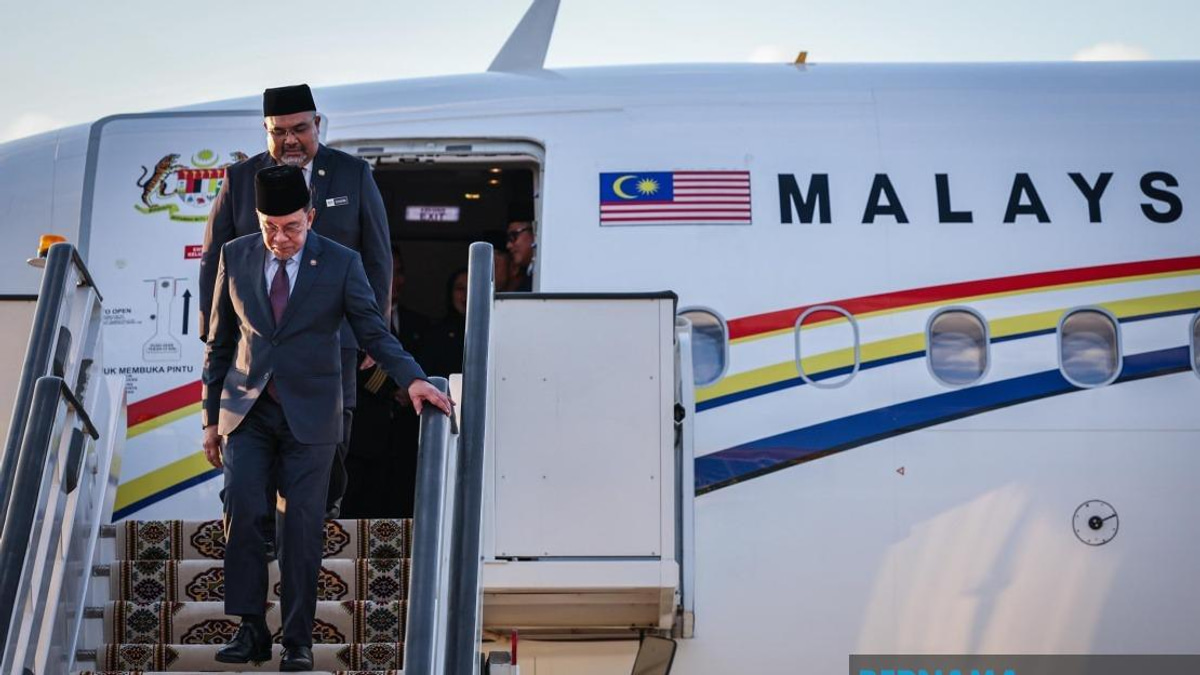
Senior political adviser to Malaysia's Prime Minister, Tengku Datuk Seri Zafrul Tengku Abdul Aziz, has put forward his candidacy for a parliamentary seat in Selangor during the 16th General Election, marking a potentially significant development in the nation's political landscape as GE16 approaches.
Tengku Zafrul's proposal represents a deliberate repositioning of his political presence. As a prominent figure within the Prime Minister's office, his move to pursue electoral office signals an intention to transition from behind-the-scenes advisory work into direct parliamentary representation. This shift carries implications for both the ruling coalition's political strategy and the composition of Selangor's parliamentary delegation in the next Dewan Rakyat.
Selangor remains one of Malaysia's most politically contested states, with its 12 parliamentary seats consistently serving as a bellwether for national political sentiment. The state's diverse electorate, spanning urban centres, industrial areas, and suburban constituencies, has historically made it a focal point during general elections. For Tengku Zafrul to position himself for candidacy in this high-stakes environment suggests confidence in his electoral viability and appeal to Selangor voters.
The proposal also underscores strategic calculations within the ruling administration regarding seat allocation and candidate selection for the upcoming election cycle. Political party machinery typically evaluates potential candidates based on their organisational strength, community connections, and ability to secure marginal seats or defend existing ones. Tenguk Zafrul's background as a senior adviser positions him as someone with both institutional access and policy understanding, attributes that parties value when fielding candidates in competitive constituencies.
His move comes at a time when Malaysia's political dynamics continue shifting. The coalitional arrangements that have governed since the last general election have been tested repeatedly, with various constituencies and interest groups pressing for representation aligned with their priorities. Selangor's position as an economically powerful state and home to significant Klang Valley industrial and commercial centres means its electoral outcome carries outsized weight in national political mathematics.
The Selangor electorate itself presents a complex voting landscape. Urban professionals, particularly in constituencies within and around Kuala Lumpur's metropolitan area, vote differently from suburban and semi-rural populations in the state's outlying districts. Winning a Selangor seat requires candidates to understand and address the diverse concerns of these demographic groups—from economic opportunities and cost of living to infrastructure development and environmental management.
Tengku Zafrul's candidacy proposal must navigate the formal nomination processes of whichever political party ultimately fields him as their candidate. Party leadership will need to assess not only his personal political viability but also the strategic fit of his placement within their broader slate of candidates across Selangor's constituencies. The party calculus typically involves determining which constituencies present winnable opportunities and which require maximum effort to defend or recapture.
For Malaysian observers tracking political developments, Tengku Zafrul's move illustrates the interconnected nature of ministerial positions and electoral ambitions. Senior advisers occupy influential roles in governance, yet many eventually seek direct electoral mandates to consolidate their political standing and secure parliamentary seats that provide independent power bases. His proposal exemplifies this conventional trajectory in Malaysian politics, where advisory positions frequently serve as stepping stones to formal legislative office.
The implications for Selangor's political competition extend beyond Tengku Zafrul himself. His candidacy will influence how opposition coalitions respond in terms of seat allocation and candidate selection within the state. Political parties opposing the ruling coalition will need to assess which constituencies present genuine competitive opportunities and prioritise resources accordingly, knowing that established figures like Tengku Zafrul command both financial resources and institutional support.
Looking ahead to GE16, Selangor will likely remain a crucial testing ground for the nation's political direction. Tengku Zafrul's formal entry into the electoral arena through his candidacy proposal demonstrates how senior government figures continue engaging with the electoral process as a means of legitimising their political positions and influence. His success or failure in securing a parliamentary seat will provide insights into voter preferences and the receptiveness of Selangor's diverse electorate to establishment-backed candidates.
The broader context of his candidacy includes ongoing discussions within Malaysian politics about generational change, institutional credibility, and the relationship between appointed advisory roles and elected representation. As the country moves toward GE16, decisions made by figures like Tengku Zafrul about seeking parliamentary mandates will shape the composition and ideological character of Malaysia's next legislature.