The Professional Tennis Players Association intensified its campaign against tennis's demanding schedule on Monday, using high-profile withdrawals from the Canadian Open as evidence that the sport's calendar expansion is taking a serious toll on athlete health. The advocacy group expressed frustration that several of the game's elite competitors had been forced to miss the prestigious Montreal tournament due to injuries, arguing that this pattern reflects a systemic problem built into the sport's competitive structure.
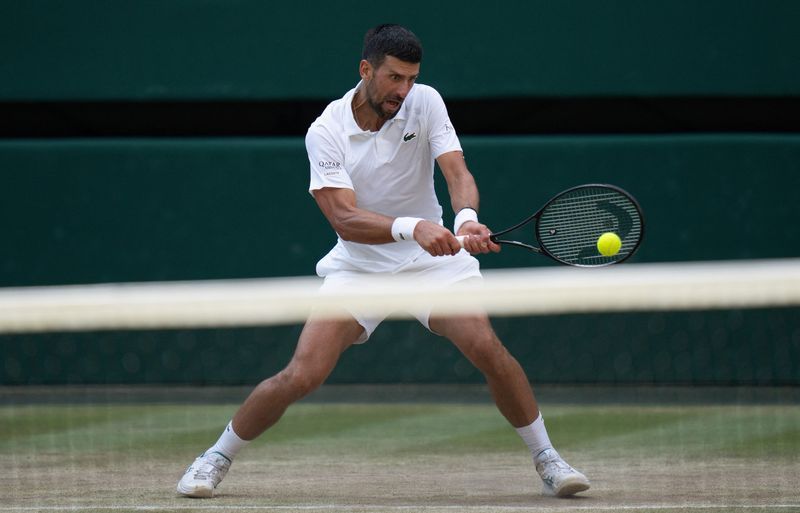
The Canadian Open illustrated the scale of the current injury challenge, with world number one Jannik Sinner and 24-times Grand Slam champion Novak Djokovic among the men who withdrew from the main draw. Carlos Alcaraz sat out due to a wrist injury, while Canadian hope Felix Auger-Aliassime pulled out before his opening match because of a back complaint. The women's draw faced similarly depleted ranks, missing defending champion Victoria Mboko, Wimbledon finalist Karolina Muchova, Emma Raducanu and Jasmine Paolini—all unavailable through injury.
These absences are not anomalies but symptoms of a deeper malaise, according to PTPA analysis. The players' group presented alarming statistics compiled from over 30,000 professional matches tracked across all levels of tennis during an eight-year research project helmed by medical director Dr. Robby Sikka. Upper-body injuries surged 42 percent in the first quarter of 2026 compared with the corresponding period in 2025, while arm injuries nearly doubled year-on-year, climbing 112 percent from the 2025 average. These figures suggest that injuries are not merely occurring more frequently but are emerging earlier in the season and proving more debilitating.
The PTPA's case hinges on a direct link between the expanded tournament calendar and injury escalation. The Association for Tennis Professionals introduced structural changes to its Masters 1000 events under its OneVision strategic plan, extending seven of the nine marquee tournaments to twelve-day formats beginning in 2025. While this expansion may benefit spectators and broadcasters through increased competition and extended scheduling flexibility, the players' association argues it has eliminated the recovery windows that athletes require between events. The compressed timeline forces competitors to travel, compete and train without adequate rest, creating cumulative fatigue that manifests as injury.
For Southeast Asian and Malaysian tennis enthusiasts, this development carries particular significance. The region's emerging player base aspires to compete at the professional level, and systemic injury patterns at the elite tier raise troubling questions about sustainable pathways through professional tennis. Young Southeast Asian players watching from the region observe that even world champions cannot withstand the current schedule's demands, potentially discouraging investment in the sport or leading talented individuals toward less gruelling alternatives.
The PTPA has been vocal about scheduling pressures for years, but the association now backs its advocacy with empirical evidence rather than anecdotal complaints. This data-driven approach shifts the debate beyond subjective player grievances toward measurable health outcomes that governing bodies cannot easily dismiss. Tournament organisers themselves acknowledged last month that recurring late withdrawals from Masters 1000 events had become increasingly common, suggesting even administrators recognise the problem's severity.
The commercial incentives underlying calendar expansion remain powerful. Tennis promoters argue that longer tournaments attract larger audiences, generate more media coverage and create additional revenue streams. The twelve-day Masters 1000 format allows for expanded draws, more matches and extended broadcasting windows across multiple days. These financial considerations have historically outweighed player welfare concerns in professional tennis governance, a dynamic the PTPA explicitly challenged by stating that short-term commercial interests cannot justify compromising athlete health.
The ATP has previously defended player autonomy, noting that athletes can selectively enter tournaments rather than committing to mandatory participation. However, the PTPA counters that this theoretical freedom masks practical constraints: top players feel compelled to enter ranking points competitions to maintain their positions and pursue Grand Slam eligibility, creating de facto pressure to compete regardless of physical condition. True scheduling flexibility, the association contends, requires reducing mandatory tournament commitments and rebuilding meaningful rest periods into the calendar structure.
The PTPA's recommendations extend beyond short-term palliatives. The group advocates for reversing the twelve-day Masters 1000 format, implementing a genuinely player-health-centric approach to calendar restructuring and ensuring that athletes themselves participate meaningfully in scheduling decisions. These proposals would require cooperation from the ATP and Women's Tennis Association, neither of which immediately responded to requests for comment as of the PTPA's Monday statement. The silence suggests organisations may be weighing commercial implications before responding substantively.
The injury crisis emerging across professional tennis reflects broader tensions between commercial expansion and athlete welfare that extend beyond the sport. Professional cycling, athletics and team sports have grappled with similar conflicts between schedule expansion and health protection. Tennis's particular vulnerability stems partly from its individualised structure, where a single player's injury removes them entirely from competition without organisational backup options. This vulnerability makes the PTPA's warnings particularly urgent for the sport's long-term sustainability.
For Malaysian readers and Southeast Asian tennis stakeholders, the PTPA's campaign matters because it shapes the structural conditions within which emerging regional talent must compete. Whether professional tennis resolves its calendar crisis will influence recruitment into the sport, training methodologies and the viability of long-term careers for players. The coming weeks will reveal whether governing bodies incorporate player welfare data into genuine policy changes or continue prioritising commercial expansion over athlete health.

