TERAJU, the government agency overseeing Malaysia's Bumiputera economic agenda, is making a strategic push for substantive budgetary commitments in the 2027 spending plan to ensure the successful rollout of the Bumiputera Economic Transformation Plan 2035, or PuTERA35. The agency views adequate financial allocation as essential to converting the plan's ambitious vision into tangible improvements for the Bumiputera community across the decade ahead.
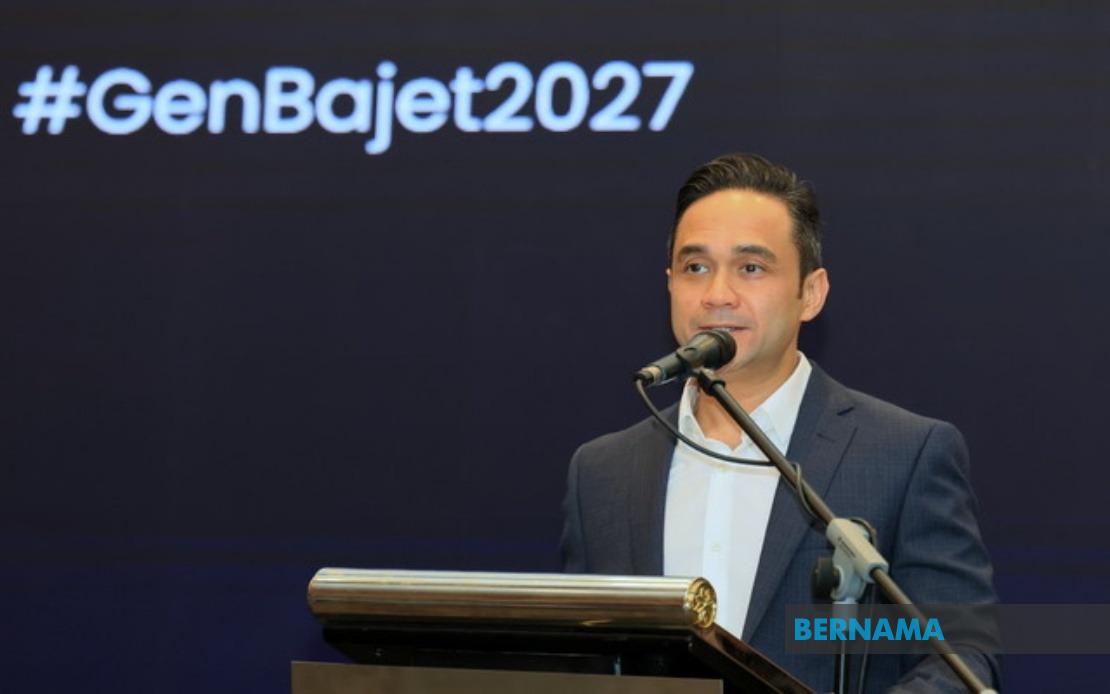
Speaking at an event in Cyberjaya, Nik Nazree Nik Abdul Rahman, senior director of TERAJU's Strategic Services Division, underscored that the initiative encompasses 132 distinct programmes charted through 2035, each designed to advance Bumiputera socio-economic development and strengthen their standing in Malaysia's broader economic landscape. The magnitude of this undertaking demands not merely symbolic funding but resources sufficient to operationalise high-impact interventions that can demonstrably shift economic participation patterns among the community.
The case TERAJU is building centres on implementation velocity and outcome realisation. The agency recognises that while progress has reached 67 per cent in terms of PuTERA35 rollout since the plan's launch on August 19, 2024, the more pressing question concerns whether these efforts are yielding measurable results—specifically, whether they are genuinely strengthening Bumiputera enterprise capabilities and improving socio-economic conditions. This reflects a maturing policy perspective that distinguishes between activity and impact, a distinction increasingly important as Malaysia seeks to justify development spending to a sceptical electorate.
One of TERAJU's prioritised focus areas involves the energy transition sector, which represents a frontier opportunity for Bumiputera business participation. As Malaysia navigates the global shift toward renewable and sustainable energy systems, the agency views this transition as creating market openings for Bumiputera enterprises to establish meaningful footholds in emerging industries rather than remaining confined to traditional sectors. Budget 2027 can either accelerate this repositioning or allow momentum to stall, making this a critical juncture for policy intervention.
Equally significant is TERAJU's emphasis on capital market development as a mechanism for scaling Bumiputera enterprises. The agency has identified a substantial gap in leveraging Malaysia's financial markets to channel investment toward Bumiputera businesses. This represents a structural underutilisation of existing financial infrastructure that could be remedied through targeted policy and budgetary support. By directing resources toward financial capability-building and market access initiatives, the government could unlock private-sector participation in Bumiputera economic advancement, multiplying the efficacy of public funding.
The monitoring framework underpinning PuTERA35 spans multiple governance layers, including dedicated working committees and the high-level Bumiputera Economic Council chaired by Prime Minister Datuk Seri Anwar Ibrahim. This multi-tiered approach signals serious institutional commitment but also indicates the complexity of coordinating 132 separate initiatives across government agencies and the private sector. The more initiatives proliferate, the greater the budget requirements become to ensure adequate implementation across all workstreams.
PuTERA35 itself represents an evolution in Malaysia's Bumiputera economic policy, moving beyond the traditional emphasis on business ownership toward a more holistic framework encompassing economic participation, control, and wealth creation. The plan operates within the broader MADANI Economy framework, the government's wider economic development doctrine, suggesting that Bumiputera economic advancement is positioned as integral to national prosperity rather than merely as a social welfare concern. This conceptual reframing potentially creates stronger justification for sustained budgetary commitment.
The timing of TERAJU's advocacy is strategically significant. By making its case now, ahead of the 2027 budget formulation process, the agency is attempting to shape spending priorities during the planning phase rather than competing for resources during implementation. This proactive engagement with the budgetary cycle reflects institutional learning about the importance of early advocacy in securing financial commitments in Malaysia's medium-term fiscal planning.
Looking ahead, TERAJU plans to release a comprehensive performance report at year-end assessing progress and achievements across PuTERA35's first two years of operation. This report will likely become a critical reference point in Budget 2027 deliberations, providing evidence-based arguments for continued or expanded funding. Should the report demonstrate tangible progress in enterprise development and income improvement among the Bumiputera community, it would substantially strengthen TERAJU's budgetary case. Conversely, findings of implementation shortfalls could force a reckoning about whether the initiative's design or funding levels require recalibration.
For Malaysian policymakers, the TERAJU initiative reflects a broader regional trend toward targeted economic empowerment programmes. Other Southeast Asian nations pursuing similar agendas provide comparative lessons about effective implementation and sustainable impact. Malaysia's willingness to commit substantial resources to PuTERA35 will signal to regional observers the seriousness with which the government approaches structural economic reform aimed at benefiting particular communities.
The intersection of economic transformation ambitions with fiscal realities remains complex. Budget 2027 will occur during a period when Malaysia continues managing diverse spending pressures—infrastructure investment, education, healthcare, and debt servicing all compete for finite resources. TERAJU's advocacy must thus articulate not merely the worthiness of its programmes but their efficient resource deployment and demonstrable returns on investment. The agency's emphasis on monitoring and performance reporting suggests it understands this accountability imperative.
Ultimately, the outcome of TERAJU's budgetary advocacy will reveal how committed the government remains to Bumiputera economic transformation beyond the rhetorical level. Substantial budget allocation would underscore genuine policy priority; modest or declining allocations would suggest that competing spending demands have superseded Bumiputera advancement in the government's practical hierarchy. For the Bumiputera community and observers of Malaysia's economic development trajectory, Budget 2027 will provide a crucial indicator of whether PuTERA35 represents sustained transformation or a well-intentioned initiative constrained by fiscal limits.

