The escalating problem of animals straying onto Malaysian highways represents a critical safety and conservation challenge that demands urgent action from multiple government agencies working in tandem. Terengganu Menteri Besar Datuk Seri Dr Ahmad Samsuri Mokhtar has issued a forceful call for enhanced cooperation among stakeholders, highlighting how the collision of a family with a herd of elephants on the East Coast Expressway 2 on August 5 exemplifies the deadly consequences when wildlife protection and road safety fail to intersect effectively.
The recent incident, which left a man and his wife injured when their Toyota Estima struck the elephant herd at kilometre 274.6 of LPT2 after the Cheneh Toll Plaza heading towards Kuala Terengganu, underscores vulnerabilities in the current framework designed to manage the coexistence of expanding human infrastructure with protected animal populations. Ahmad Samsuri characterised the accident as a tragedy affecting both species, noting that the state recognises the gravity of such encounters and extends sympathy to those caught in these dangerous situations.
The menteri besar has specifically proposed a coordinated approach involving the Wildlife and National Parks Department alongside the Malaysian Highway Authority, two entities whose operational mandates rarely overlap despite their shared responsibility for managing this crisis. This fragmentation in governance represents a fundamental obstacle to implementing comprehensive solutions that address the root causes of wildlife venturing into areas where fast-moving traffic creates lethal hazards for both animals and motorists.
Among the concrete measures being examined are intensified patrols at identified hotspots where wildlife movement patterns intersect with major thoroughfares, particularly during seasonal conditions that displace animals from their natural habitats. Ahmad Samsuri acknowledged that the rainy season presents heightened risks as creatures seek shelter, necessitating preventive strategies that anticipate these predictable population shifts rather than merely responding to incidents after they occur.
Electric fencing represents a promising but economically complex intervention that could protect both human and animal life. The menteri besar recognised that while installing such barriers along the entire length of highways close to wildlife habitats would prove prohibitively expensive, strategic deployment at especially vulnerable stretches could substantially reduce collision risks. This selective approach balances fiscal constraints against the genuine safety imperative, focusing resources where animal movements most frequently intersect with traffic corridors.
Technology-based early warning systems have emerged as a long-term protective strategy worth serious investment and exploration. Such systems could provide real-time alerts to drivers and highway management centres about wildlife presence, offering motorists crucial seconds to reduce speed or exercise caution. The implementation of such innovations alongside traditional physical barriers and enhanced patrolling would create a layered defence strategy addressing the complexity of the problem from multiple angles simultaneously.
The policy implications extend beyond Terengganu to broader Southeast Asian concerns about development corridors fragmenting wildlife habitats and disrupting traditional migration routes. As Malaysia pursues economic growth through expanded transportation infrastructure, the tension between progress and conservation intensifies. The elephant collision serves as a sobering reminder that without deliberate planning integrating environmental considerations into highway design and operations, development ultimately harms both conservation objectives and public safety.
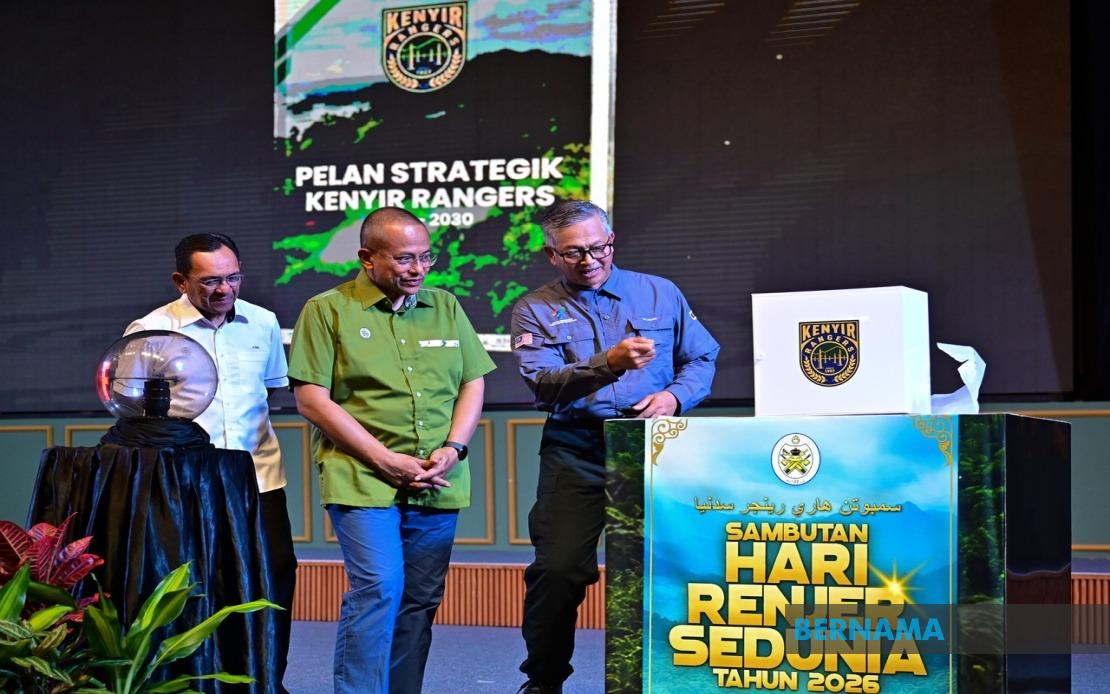
The World Ranger Day 2026 celebration, where Ahmad Samsuri articulated these concerns, provided an appropriate platform for acknowledging the frontline rangers whose challenging work protects wildlife despite systemic constraints. These professionals require adequate resources, training, and inter-agency coordination to effectively monitor animal movements and communicate early warning information to highway authorities capable of implementing protective measures.
The financial and logistical challenges of implementing comprehensive solutions across Malaysia's extensive road network are substantial, yet the human and environmental costs of inaction continue accumulating. Each incident generating injuries or fatalities represents not merely a statistical tragedy but a preventable failure of institutional coordination and forward planning. The state-level acknowledgement of these systemic failures by Terengganu's leadership demonstrates growing recognition that wildlife management cannot remain siloed from infrastructure and transportation planning.
Moving forward, Ahmad Samsuri's advocacy for greater cooperation should catalyse concrete institutional changes rather than remaining rhetorical commitment. This necessitates establishing formal coordination mechanisms between previously separate agencies, allocating dedicated funding for protective measures, and conducting scientific research into animal behaviour patterns along specific highway corridors to inform targeted interventions. Such comprehensive approaches would transform reactive crisis management into proactive risk mitigation benefiting both conservation and public safety imperatives.
The challenge ultimately reflects broader questions about how rapidly developing nations balance legitimate economic aspirations against environmental stewardship and human welfare. Malaysia's ability to address human-wildlife conflicts through genuine inter-agency cooperation will serve as a model or cautionary tale for other Southeast Asian nations facing similar pressures as infrastructure expansion accelerates. The menteri besar's call for action, when translated into sustained institutional commitment and resource allocation, could establish replicable frameworks demonstrating that development and wildlife protection need not remain irreconcilable objectives.

