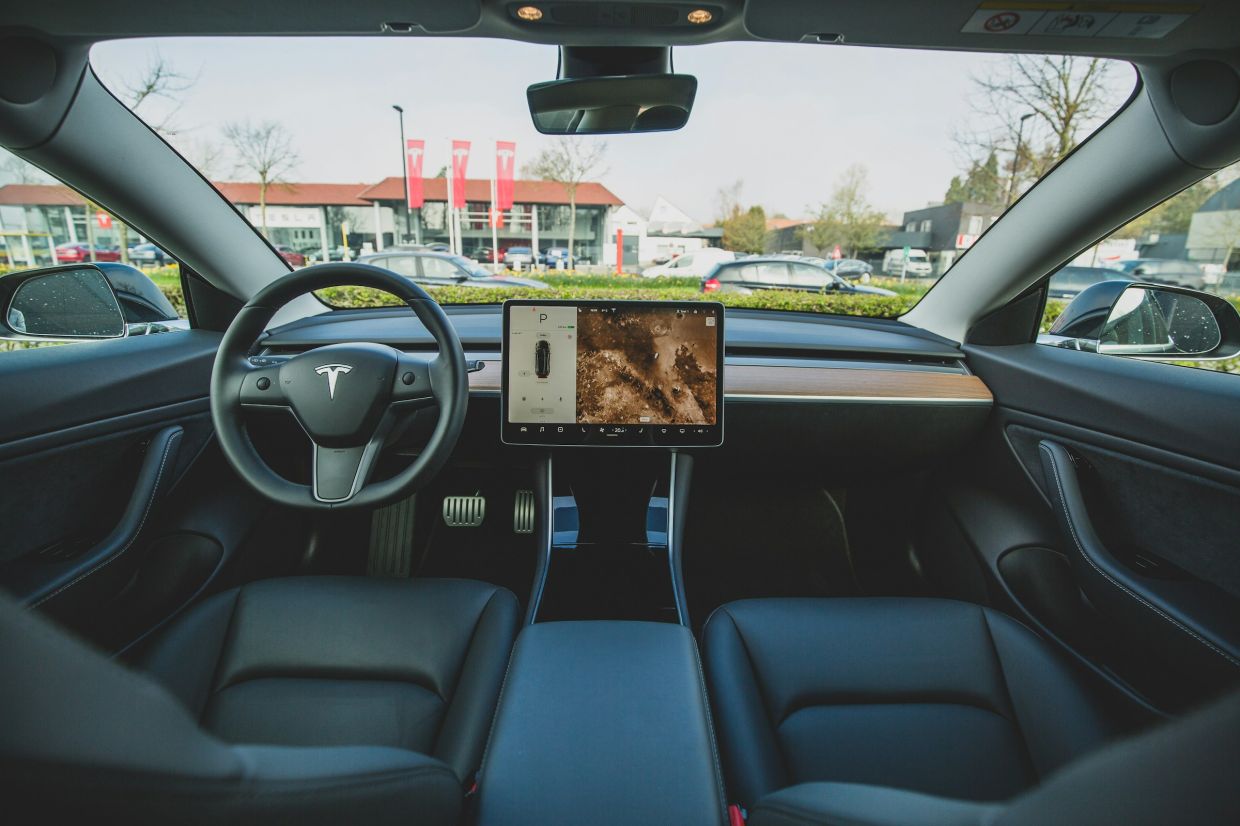
Tesla has quietly resolved a lawsuit stemming from a fatal 2023 crash in Arizona that involved the company's Full Self-Driving technology, marking a significant but understated conclusion to one of the most consequential incidents in the debate over autonomous vehicle safety. The settlement comes as federal regulators intensify scrutiny into whether the system poses unacceptable risks to the public.
The incident that triggered the legal action involved 71-year-old Johna Story, who was struck by a Tesla Model Y SUV while standing on an Arizona highway. Story had exited her vehicle to assist with traffic management around vehicles already disabled by intense sun glare when the Tesla, operating under Full Self-Driving mode, collided with her at high speed. This collision represents a watershed moment in autonomous vehicle development—it remains the first publicly documented pedestrian fatality directly attributed to Tesla's automation system, a distinction that underscores the gravity of the incident within the broader automotive safety landscape.
Attorney Dustin Birch, representing Story's family, confirmed the recent settlement in a brief statement but declined to disclose financial terms. Tesla provided no comment when contacted regarding the resolution. The quiet nature of the settlement, coupled with the absence of transparent disclosure, reflects a broader pattern in litigation involving emerging automotive technologies, where companies and families often reach agreements under confidentiality provisions that shield the public from detailed information about defects or systemic failures.
The collision's significance extends beyond the immediate tragedy. Story's death occurred during 2023, when nearly 41,000 people lost their lives on American roads, yet her case proved exceptional enough to trigger a formal investigation by the National Highway Traffic Safety Administration. This governmental response underscores official recognition that Tesla's Full Self-Driving system warrants heightened regulatory attention distinct from conventional traffic fatalities. The NHTSA investigation itself evolved considerably after the initial incident, expanding from a preliminary probe into a more rigorous engineering analysis phase that commenced in 2024 and continued escalating through 2025.
Chief executive officer Elon Musk has positioned driverless vehicle technology as central to Tesla's long-term strategic vision, with Full Self-Driving serving as the technological foundation for the company's robotaxi ambitions and broader autonomous transportation ecosystem. This corporate commitment means that safety concerns surrounding the system carry substantial implications not merely for Tesla's litigation exposure, but for the company's fundamental business strategy and shareholder value. The technology's approval in markets worldwide remains a key corporate objective, even as safety advocates raise concerns about specific functional limitations.
Regulators have identified a critical vulnerability: Tesla's Full Self-Driving system struggles to maintain reliable operation when visibility becomes compromised by environmental factors such as intense sun glare, dust storms, or dense fog. During the engineering analysis, NHTSA discovered that the technology frequently failed to recognize degraded visibility conditions until moments before collision would occur—leaving insufficient time for human drivers to intervene. The agency's technical review revealed a troubling pattern: across multiple crash incidents examined, the system either completely failed to recognize degraded visibility conditions or provided alerts so late that drivers could not practically respond.
Beyond visibility detection, investigators uncovered additional systemic deficiencies. In numerous incidents, Tesla's Full Self-Driving either lost track of vehicles ahead on the roadway or failed to detect them initially. This represents a fundamental breakdown in the system's core function: maintaining awareness of the vehicle's immediate environment and anticipating potential collisions. Each documented crash in NHTSA's review involved similar circumstances, suggesting these failures are not isolated anomalies but recurring patterns stemming from underlying technical limitations in how the system processes environmental data under suboptimal conditions.
Tesla's response to regulatory findings has emphasized hardware upgrades rather than systemic software redesign. During an April earnings conference call, company executives disclosed that they had modified the camera systems on older vehicles to address the visibility detection problems identified during the investigation. This approach suggests Tesla believes the root cause lies primarily in sensor hardware limitations rather than algorithmic processing deficiencies. The company has maintained ongoing cooperation with NHTSA throughout the investigation, indicating a measured engagement with the regulatory process despite the serious nature of the underlying allegations.
For Malaysian and regional readers, this case carries particular relevance as Southeast Asian markets increasingly become destinations for Tesla's expansion and as the region grapples with developing autonomous vehicle regulations. The Arizona incident and NHTSA's response provide instructive lessons about the vulnerabilities that emerge when automation technology encounters tropical climates characterized by intense sun, occasional dust storms, and variable visibility—environmental conditions common throughout Southeast Asia. The regulatory pathway Tesla must navigate in established markets like the United States offers a preview of potential regulatory expectations that may eventually apply to autonomous vehicles operating in Malaysia and neighboring countries.
Moreover, the settlement's confidential nature raises broader questions about transparency in autonomous vehicle development and testing. As these systems advance toward wider deployment, consumers, regulators, and policymakers require access to comprehensive data about failures, near-misses, and fatalities. The current pattern of confidential settlements and limited disclosure potentially obscures important safety patterns that could inform public policy and consumer decision-making. This transparency gap deserves scrutiny as Malaysia and other Southeast Asian nations develop frameworks for autonomous vehicle integration into their transportation networks.
The NHTSA's escalation to engineering analysis status signals that American regulators view the Full Self-Driving system as sufficiently concerning to warrant intensive technical examination before broader deployment or approval. This measured but firm regulatory approach may establish precedent for how other jurisdictions evaluate autonomous driving systems. As Tesla continues seeking global approvals for its automation technology, the conclusions of the NHTSA investigation will likely influence regulatory decisions in other major markets, potentially affecting whether and how the company can deploy Full Self-Driving capabilities in Southeast Asian markets during the coming years.
The resolution of the Arizona lawsuit, while closing one legal chapter, occurs against the backdrop of ongoing regulatory scrutiny that may ultimately determine whether Tesla's autonomous ambitions can proceed as envisioned or require substantial technological refinement before commercial deployment becomes viable. The incident and its aftermath illustrate the tension between innovation momentum and public safety assurance—a tension that will define the development of autonomous vehicle technology throughout the coming decade.

