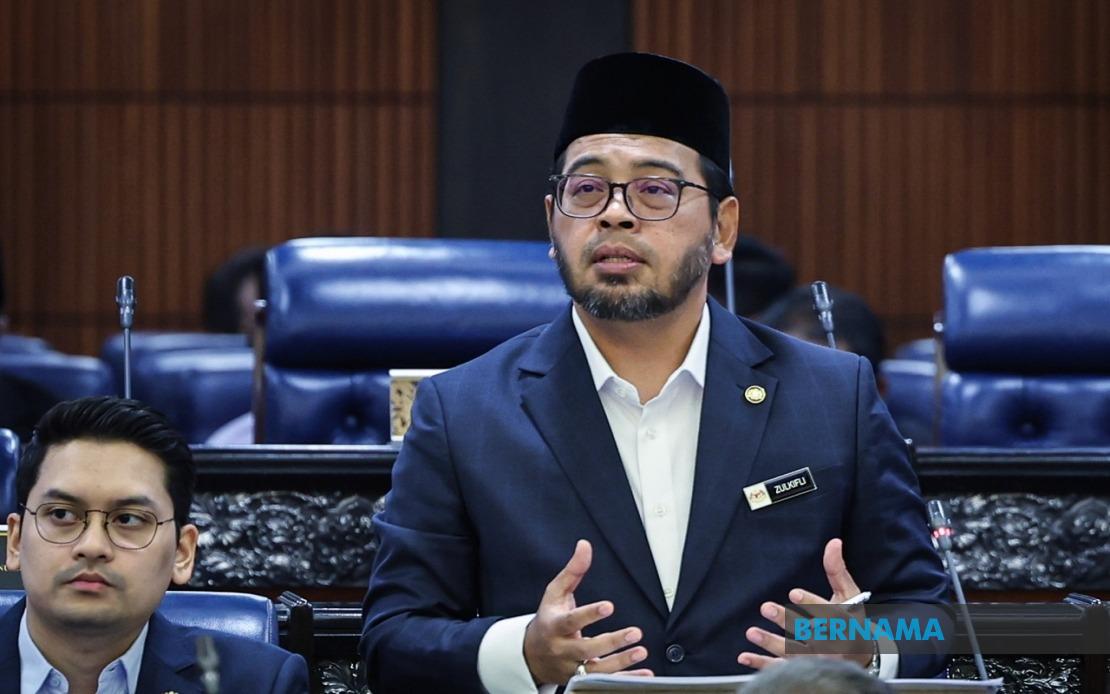
Lembaga Tabung Haji's descent into financial crisis could have been prevented had the pilgrim savings body responded promptly to concerns raised by Bank Negara Malaysia starting in 2014, according to Religious Affairs Minister Dr. Zulkifli Hasan. Speaking during a parliamentary debate on the Royal Commission of Inquiry report into TH, Zulkifli outlined how five separate warning letters from the central bank to TH's leadership and the responsible minister between August 2014 and September 2016 went largely unheeded, ultimately necessitating a government rescue that many analysts view as a costly intervention that could have been circumvented through earlier remedial action.
The deterioration of TH's financial health over this period was neither sudden nor invisible to regulators. Bank Negara, in its capacity as overseer of non-bank financial institutions, maintained close surveillance of TH's operations and raised specific red flags concerning the institution's reserve levels, liquidity management, and overall financial trajectory. Despite these clear signals and the central bank's efforts to ensure corrective measures were undertaken, TH's governance structures appeared insufficiently responsive to the regulatory guidance offered. Zulkifli's comments suggest that a combination of institutional inertia, inadequate management oversight, and perhaps insufficient pressure from the ministry responsible for TH allowed serious imbalances to compound unchecked.
By the end of 2018, when the government finally stepped in with a substantial bailout, TH's asset-liability deficit had ballooned to approximately RM10 billion—a scale of insolvency that dwarfed the financial problems that would have been manageable had intervention occurred years earlier. This accumulation of losses represents not merely a fiscal burden on the national treasury, but a profound breach of trust with TH's depositors, primarily lower-income Malaysians who depend on the institution for their pilgrimage savings. The widening gap between assets and liabilities suggests that management either lacked adequate financial controls to identify emerging problems or failed to prioritize the remedial steps needed to restore equilibrium.
One particularly troubling aspect highlighted during parliamentary discussion involves dividend distributions made when TH's liabilities exceeded its assets—a practice that directly contravened Section 22 of the Tabung Haji Act. These distributions, including the disbursement of hibah (profit-sharing grants) that bore no relation to actual financial performance, continued until 2017. Such practices effectively masked the true state of TH's finances from depositors and stakeholders while depleting resources that should have been retained to shore up solvency. The fact that these dividend distributions proceeded despite deteriorating fundamentals raises serious questions about the adequacy of TH's audit and compliance functions.
Zulkifli pointed out that the Royal Commission of Inquiry itself concluded TH should never have received clean audit certificates year after year. Instead, the auditors should have qualified their opinions and flagged significant matters of non-compliance rather than issuing unqualified statements that falsely signaled institutional health. This audit breakdown represents a critical failure in the accountability mechanisms that parliament and depositors rely upon to ensure financial institutions operate prudently. The RCI's assessment effectively demonstrated that TH's auditors either failed to detect serious problems or were persuaded to downplay concerns that merited transparent disclosure.
The government's response to the TH crisis now centers on several corrective initiatives aimed at preventing recurrence. Zulkifli announced that legislative amendments to the Tabung Haji Act 1995 would be pursued to strengthen governance frameworks. Forensic auditing of suspect investments has already commenced, with particular focus on positions that appear vulnerable to material losses. The minister indicated willingness to establish a Multi Agency Task Force to investigate at-risk investments and pursue recovery of misapplied or improperly invested funds. These measures represent an attempt to restore confidence in the institution and ensure that depositors' remaining interests receive protection going forward.
For Malaysian depositors and the broader public, the TH episode underscores the importance of timely regulatory intervention and responsive institutional governance. The fact that warning signs visible to Bank Negara's sophisticated monitoring systems went unaddressed for years demonstrates how even well-intentioned regulatory frameworks can fail if institutions fail to take guidance seriously. In Southeast Asia's context, where retail financial literacy remains uneven and ordinary citizens often lack the expertise to assess whether financial institutions operate safely, the role of regulators and auditors becomes even more critical. The TH case shows what happens when these gatekeepers falter.
The parliamentary process itself provided an opportunity for extended scrutiny, with 39 lawmakers participating in debate that extended over ten hours. This level of legislative engagement reflects public and political concern about governance failures affecting millions of Malaysians. Members of parliament sought clarity on specific investment decisions, management accountability, and assurance that recovery efforts would be vigorous. The Speaker's announcement that a third parliamentary meeting on TH was planned for October suggested that legislative oversight would continue, signaling that the issue remains unresolved and demanding ongoing attention.
Looking ahead, the TH reconstruction raises questions about whether statutory financial institutions serving Malaysia's Muslim majority are sufficiently insulated from political considerations that might impede sound financial management. The gap between BNM's warnings and TH's response suggests that regulatory pressure from the central bank may carry less weight than directions from the responsible ministry. Structural reforms must address not only audit independence and governance protocols but also the reporting relationships and decision-making hierarchies that determine whether financial institutions respond appropriately to regulatory warnings. Without such reforms, even the most vigilant regulators may find their concerns ignored by institutions oriented toward political rather than prudential considerations.
The broader implications for Malaysian governance and public finance management are substantial. A RM10 billion bailout represents resources unavailable for other national priorities and imposes costs on taxpayers beyond TH's immediate circle of depositors. The preventability of this crisis—had TH responded to warnings issued years earlier—underscores how regulatory vigilance and institutional responsiveness must be matched by transparent accountability and swift corrective action. For a region where public trust in financial institutions and government administration remains fragile, the TH experience demonstrates both the costs of governance lapses and the necessity of reforms that translate regulatory oversight into institutional behavior change.

