A Thai Airways employee faces serious drug trafficking charges following the discovery of more than one kilogram of heroin at Sydney airport, according to the Australian Federal Police. The high-profile arrest underscores the persistent vulnerability of international aviation networks to drug smuggling operations, a concern that extends across the Southeast Asian region and affects countries throughout the Pacific Rim.
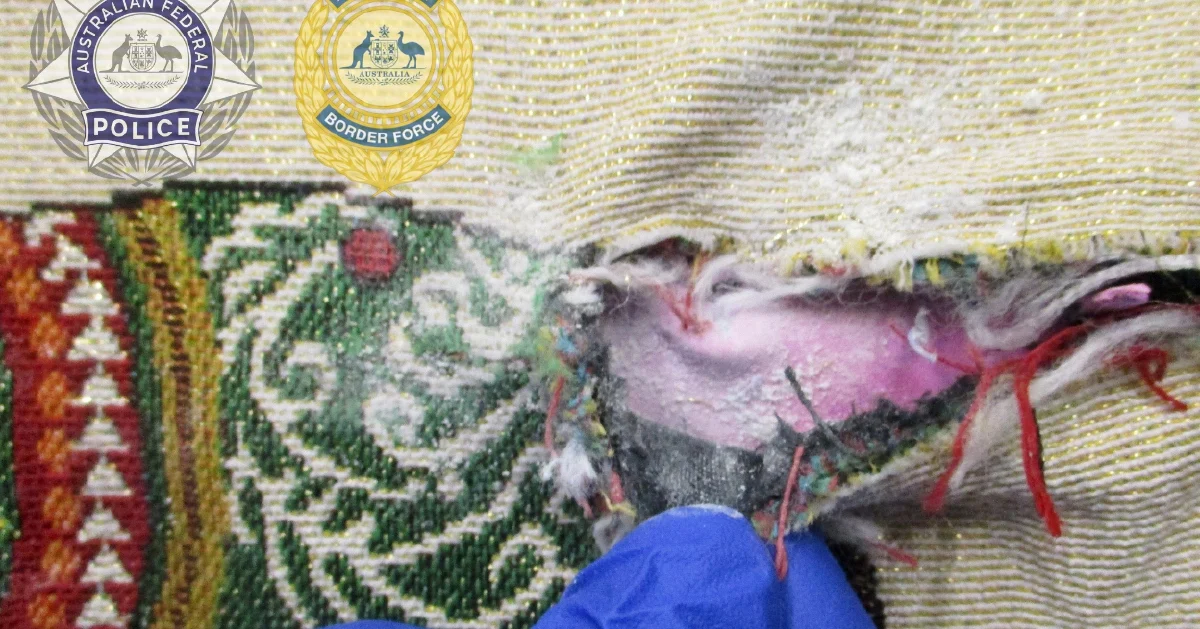
Customs officials made the discovery when they found the narcotic substance carefully hidden within tote bags, demonstrating the increasingly sophisticated methods employed by traffickers to move contraband through airports. The concealment strategy—using everyday luggage rather than more exotic containers—reflects how criminal networks continue to adapt their approaches in response to security measures implemented at major international hubs.
The involvement of an airline crew member in this case raises particular alarm bells for aviation authorities across Asia-Pacific nations, including Malaysia. Airport workers and airline personnel occupy positions of significant privilege within the security architecture of international travel, often subject to less stringent screening procedures than ordinary passengers. This access creates an exploitable vulnerability that trafficking syndicates have long sought to leverage for moving illicit substances across borders.
The charges laid by Australian Federal Police represent part of a broader pattern of drug seizures affecting the Asia-Pacific corridor. Major airports in Thailand, Malaysia, and Australia regularly intercept shipments of heroin and methamphetamine destined for distribution networks throughout the region and beyond. The opium poppy fields of the Golden Triangle—spanning Thailand, Laos, and Myanmar—remain a significant source of heroin that flows through established smuggling routes utilizing multiple transport methods.
For Malaysian authorities and regional law enforcement agencies, this incident carries immediate relevance. Kuala Lumpur International Airport and other Malaysian gateways face comparable risks from both aviation workers and other transport personnel who may be recruited into trafficking networks. The successful seizure in Sydney demonstrates the importance of coordinated intelligence-sharing and rigorous screening protocols, lessons that inform Malaysia's own border security strategies.
The investigation into the Thai Airways incident will likely yield valuable intelligence regarding supplier networks, distribution chains, and recruitment methods used to enlist airline workers. Australian Federal Police typically share findings with international counterparts through formal cooperation channels, potentially yielding information valuable to Malaysian authorities working to disrupt similar operations within their own jurisdiction.
Airline industry observers note that while major carriers implement staff screening and security measures, the pressure of recruitment by organised crime networks remains intense, particularly for workers earning modest salaries in Southeast Asia. A single successful drug run can promise months of ordinary wages, creating economic temptation that security measures struggle to counter purely through deterrence.
The Thai government's response to this incident may carry diplomatic dimensions as well. While Australia maintains strong law enforcement relationships with Thailand and other regional partners, the arrest of Thai nationals abroad occasionally generates domestic political interest. Nevertheless, Thailand has generally cooperated robustly with international drug enforcement efforts, recognizing heroin trafficking as a destabilizing force within its own borders and throughout the region.
For Malaysia's aviation sector, including the major carriers Malaysia Airlines and AirAsia, such incidents reinforce the necessity of maintaining comprehensive vetting procedures for cabin crew and ground staff. The reputational risk associated with employee involvement in drug trafficking extends beyond the individual to affect the carrier's standing internationally, making proactive security measures a commercial imperative as well as a legal obligation.
The broader context involves the escalating sophistication of international drug trafficking organizations, which increasingly target transportation workers across multiple modes—air, sea, and land. Regional authorities have noted the expansion of synthetic drug production alongside traditional heroin flows, creating a more complex enforcement challenge requiring enhanced intelligence capabilities and cross-border cooperation mechanisms.
As the case progresses through Australian courts, it will contribute to a growing body of jurisprudence on transnational drug trafficking and international cooperation in narcotics enforcement. The outcome may also influence policy discussions within Malaysia and other Southeast Asian nations regarding airport security protocols and personnel vetting procedures.
The arrest demonstrates that despite enhanced security measures implemented across the region since the early 2000s, determined traffickers continue finding operational gaps within international aviation networks. Maintaining effective counter-narcotics strategies requires constant vigilance, intelligence-led enforcement, and the recognition that trafficking networks adapt continuously to countermeasures. For Malaysian authorities and airport operators, sustaining attention to this vulnerability remains essential for protecting both public health and aviation security.

