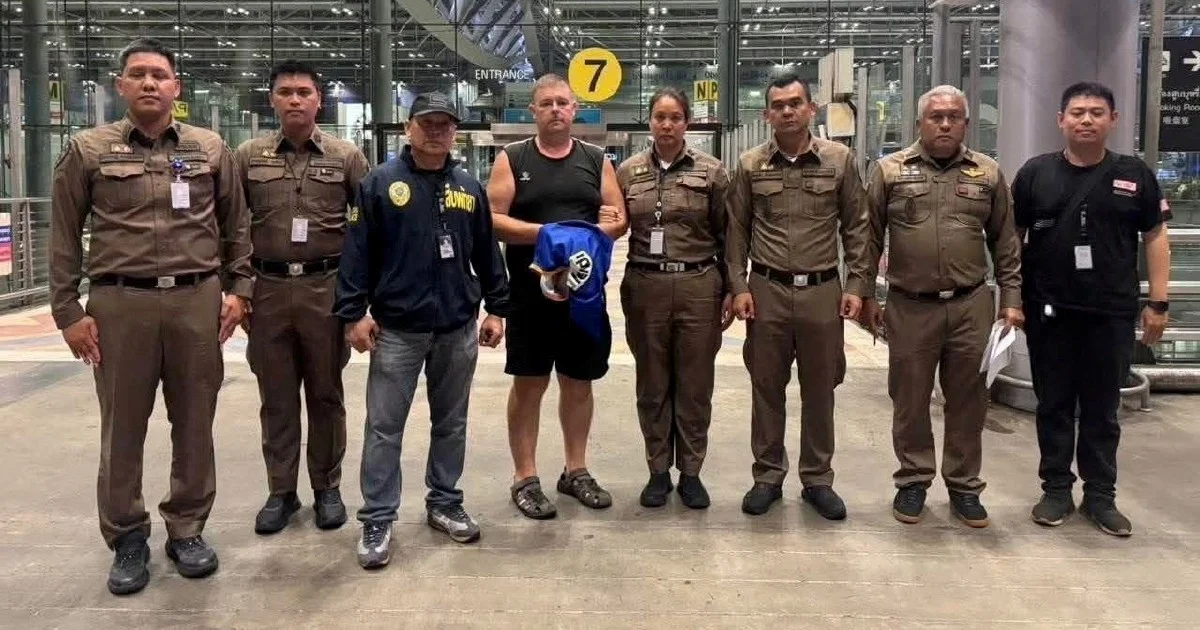
Police in Pattaya have arrested an Australian man following the discovery of a 17-year-old Thai girl's body concealed within a suitcase, marking another troubling case of violence in the popular tourist destination. The young victim's family released a statement expressing their profound sorrow over her death, as investigators piece together the circumstances that led to the tragic finding.
The girl's remains were located in Pattaya, a coastal city in Chachoengsao province approximately 150 kilometres southeast of Bangkok, known internationally as a major tourism hub. Her discovery has sent shockwaves through the local community and raised renewed concerns about the safety of vulnerable individuals, particularly young women, in areas frequented by foreign visitors. Police have proceeded with formal murder charges against the Australian suspect, who remains in custody pending further judicial proceedings.
Pattaya's reputation as a destination for international tourists has long been accompanied by persistent challenges regarding personal safety and criminal activity. The incident underscores ongoing friction between local law enforcement efforts and the darker elements that sometimes accompany tourism infrastructure in Southeast Asia. For Malaysian readers familiar with the region's dynamics, the case reflects challenges that extend across multiple border territories where cultural differences, language barriers, and transient populations can create vulnerabilities.
Thailand's approach to serious crimes involving foreign nationals typically involves rapid investigation procedures and coordination between Thai police authorities and diplomatic channels. The arrest of the Australian suspect suggests that initial investigative work moved swiftly to identify and apprehend the individual implicated in the death. The victim's age—at the threshold of legal adulthood—adds particular gravity to the case, as it involves a young person whose life was cut short under circumstances that remain under investigation.
Families in Thailand faced with such tragedies often experience compounded grief, as they navigate both personal loss and the often-intrusive attention of media coverage and public scrutiny. The victim's relatives, confronted with the sudden and violent death of a family member under circumstances involving a foreign national, must simultaneously process their emotional devastation while facing the practical demands of legal proceedings that may extend over months or years. Such cases create ripples of trauma extending through extended family networks and community circles.
The discovery method itself—a body concealed in luggage—suggests an attempt to conceal the crime, which typically indicates premeditation or efforts to evade immediate detection. This element of the case may feature prominently in prosecutorial strategy and judicial considerations as the matter progresses through Thailand's court system. Thai criminal law provides for significant penalties in murder convictions, and the involvement of a foreign national may complicate proceedings through considerations of extradition treaties and international legal protocols.
For Southeast Asia broadly, including Malaysia, cases involving foreign nationals accused of serious crimes serve as reminders of the complexities inherent in managing tourism-driven economies. While international visitors contribute substantially to regional economies, occasional criminal incidents create tensions between the desire to maintain welcoming environments and the necessity of ensuring robust law enforcement. Malaysian authorities and those across ASEAN monitor such developments carefully, as they influence both regional safety perceptions and diplomatic relationships.
The role of Pattaya specifically in Thai tourism cannot be overstated. The city attracts hundreds of thousands of international visitors annually and serves as an economic engine for the province. Serious crimes within such destinations receive heightened investigative attention from Thai authorities, who recognise the potential impact on tourism flows and international confidence. The rapid apprehension of a suspect in this case reflects this institutional priority.
Thailand's legal system will now move through established procedures to examine evidence, hear testimony, and determine culpability in proceedings that will likely command significant public and media attention both domestically and internationally. The Australian government will likely engage through diplomatic channels to monitor the case and ensure appropriate consular support for its citizen. These parallel processes—criminal justice proceedings and diplomatic engagement—typically unfold simultaneously in cases involving foreign nationals.
For the victim's family, the path forward involves navigating grief, legal proceedings, and the practical matters surrounding the loss of a young family member. The emotional toll of such cases extends far beyond the immediate moment of discovery, encompassing ongoing trauma as details emerge through investigation and judicial proceedings. Community support networks and potentially trauma counselling services become essential resources for families confronted with such circumstances.
The broader implications of this incident resonate across Southeast Asia's tourism sectors. Destination authorities must balance the economic benefits of international tourism against the necessity of maintaining stringent law enforcement and security protocols. For potential visitors from Malaysia and throughout the region, such cases reinforce the importance of exercising caution, maintaining awareness of surroundings, and ensuring that young family members—particularly minors—benefit from appropriate supervision and safety precautions when in tourist-oriented areas.

