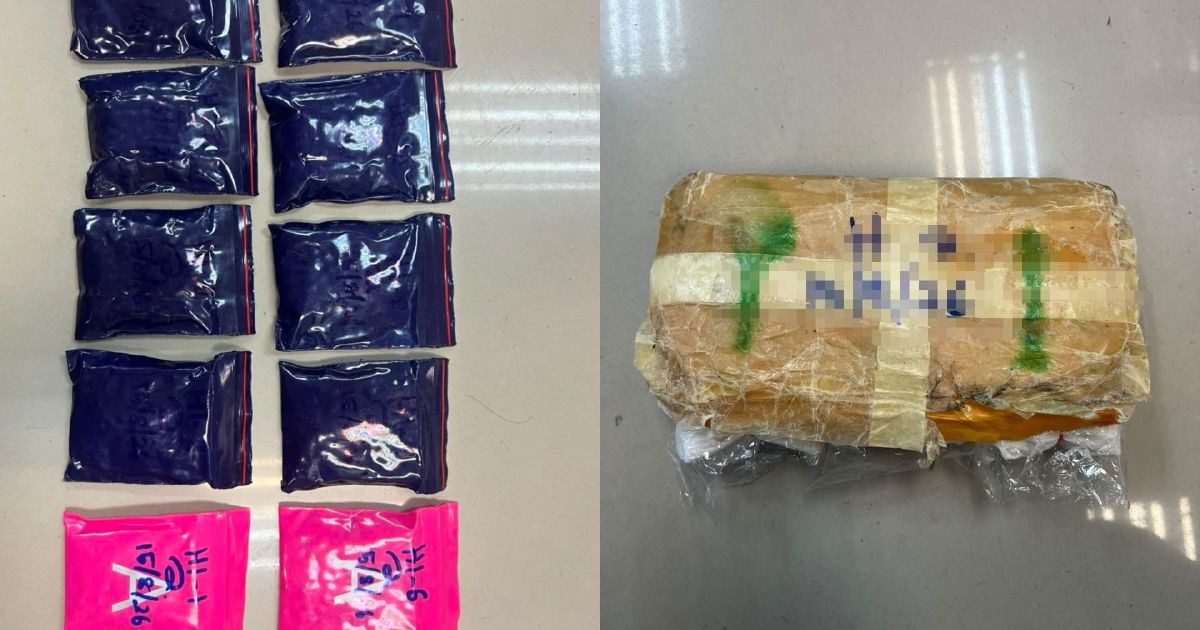
A major drug bust in the Pasir Mas district of Kelantan has resulted in the arrest of a 45-year-old Thai national suspected of smuggling methamphetamine tablets into Malaysia. Police conducted the operation in Kampung Rahmat, located close to Rantau Panjang, a border settlement that serves as one of the busiest crossing points between Malaysia and Thailand. The seizure of 6,000 yaba pills, with an estimated street value of RM60,000, represents a significant interdiction of synthetic drugs destined for Malaysian markets.
Yaba tablets, also known as "crazy medicine" in local dialects, are small orange or red pills containing methamphetamine and caffeine. These stimulants are particularly prevalent in Southeast Asia and have become a widespread problem across Thailand, Malaysia, and other neighbouring countries. The pills are highly addictive and commonly abused by truck drivers, labourers, and young people seeking to enhance alertness or experience euphoric effects. Law enforcement agencies throughout the region have identified yaba as a drug of particular concern given its low cost, easy portability, and severe health consequences associated with long-term consumption.
The Pasir Mas district, which sits along Kelantan's border with Thailand, has emerged as a critical smuggling corridor for narcotics entering Malaysia. The porous nature of the Malaysia-Thailand boundary, combined with inadequate surveillance infrastructure and the limited resources available to customs and police units, creates persistent challenges for authorities attempting to prevent illicit drug trafficking. Rantau Panjang itself serves as both a legitimate commercial and tourist crossing point, allowing individuals with contraband to exploit heavy foot traffic and vehicle congestion as cover for their operations.
This arrest underscores the ongoing battle that Malaysian law enforcement agencies wage against transnational drug networks. The Royal Malaysian Police have intensified operations along border regions in recent years, recognizing that stemming the flow of narcotics at the source remains far more cost-effective than addressing drug addiction and related social problems at the community level. Despite these efforts, trafficking organisations continue to innovate their methods, employing couriers of various nationalities and adapting their supply routes to evade detection.
The seizure comes at a time when drug-related crime remains a significant concern for the Malaysian government. Synthetic drugs like methamphetamine, MDMA, and other amphetamines have displaced heroin as the primary substances of abuse among younger demographics in urban and semi-urban areas. The health burden associated with stimulant use—including cardiovascular complications, psychiatric disorders, and addiction requiring intensive treatment—places substantial strain on Malaysia's public health system. Additionally, drug-fuelled crime, including robbery and violence, disproportionately impacts communities in areas where yaba consumption is prevalent.
The proximity of Pasir Mas to the Thai border makes it a strategic location for enforcement operations. Thailand itself has grappled with significant domestic methamphetamine production and consumption, with criminal syndicates operating across the country's northern and northeastern provinces. While Thailand has undertaken substantial efforts to combat drug manufacturing, including several high-profile operations against clandestine laboratories, the supply of yaba tablets to neighbouring countries continues largely unabated. The drug's affordability—typically costing only a few ringgit per tablet on Malaysian streets—makes it accessible to lower-income users and contributes to its rapid proliferation.
The suspect's nationality raises important questions about the structure of trafficking organisations operating in the region. Thai nationals involved in drug smuggling often function as low-level couriers or mules, compensated modestly for accepting the risks associated with cross-border transportation. These individuals are typically expendable from the perspective of larger criminal networks, which deliberately employ non-Malaysian citizens to insulate higher-ranking organisational members from direct culpability. Such organisational compartmentalisation allows trafficking rings to absorb occasional losses from arrests without compromising their core operations.
From a Malaysian regulatory perspective, this case illustrates both the effectiveness of targeted police operations and the inherent limitations of supply-side interventions. While the seizure of 6,000 tablets prevents these drugs from reaching consumers and represents a meaningful disruption to a specific trafficking consignment, the underlying conditions—demand for stimulants, economic incentives for smugglers, and the geographic vulnerability of border regions—remain largely unaddressed. Comprehensive strategies addressing drug abuse must therefore combine enforcement activities with demand reduction through education, treatment provision, and socioeconomic interventions targeting at-risk populations.
The arrested individual now faces prosecution under Malaysia's Dangerous Drugs Act, which carries severe penalties including lengthy prison sentences and potential capital punishment depending on the quantity involved and whether trafficking charges are pursued. The outcome of this case will likely receive attention from law enforcement agencies throughout Southeast Asia, particularly in Thailand and other countries participating in regional drug control initiatives. Such successes, while important symbolically and operationally, ultimately represent isolated victories in a broader conflict against entrenched transnational drug trafficking networks that continue adapting to law enforcement countermeasures.

