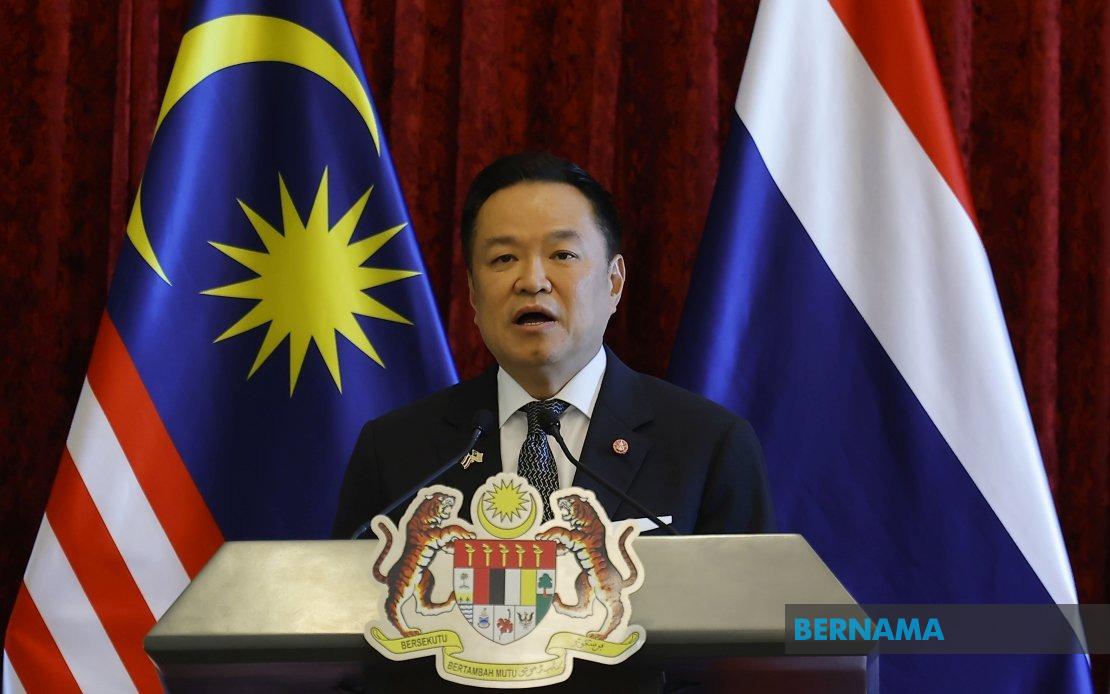
Thailand's Prime Minister Anutin Charnvirakul has offered his support to Malaysian counterpart Datuk Seri Anwar Ibrahim on the eve of the Johor state election, characterizing their bilateral relationship as warm and mutually beneficial. The gesture came during a joint press conference in Putrajaya on the first day of Anutin's official visit to Malaysia, where the two leaders discussed matters of common interest and regional cooperation.
Anutin's expression of goodwill toward the Malaysian premier reflects the strengthening ties between Bangkok and Kuala Lumpur under the current leadership. His first visit to Malaysia since his reappointment in March 2026 underscores Thailand's commitment to deepening engagement with its northern neighbour across multiple sectors. The symbolism of extending election wishes during a high-level bilateral meeting suggests both nations view their partnership as transcending routine diplomatic protocol.
The Johor state election, set for polling this Saturday, represents a significant political moment for Anwar's administration. With 172 candidates competing for 56 state assembly seats, the contest carries implications beyond the southern state, as results may influence the broader political trajectory of Malaysia's ruling coalition. Pakatan Harapan has mounted a comprehensive campaign, fielding candidates in all 56 constituencies and blending experienced politicians with fresh faces drawn from its three component parties—PKR, DAP, and Amanah.
Anwar reciprocated Anutin's warmth by describing their meeting as intimate and productive, employing the metaphor of gatherings among longtime companions to characterize the relationship. Such language reflects the diplomatic maturity both leaders bring to regional engagement, moving beyond formal state visits toward more personal connections that enhance substantive cooperation. Anwar's invitation for Anutin to return soon signals Malaysia's desire to deepen institutional ties and ensure regular high-level dialogue between the two governments.
The two-day visit serves a broader strategic purpose for both nations. For Thailand, it represents an opportunity to reinforce its position within Southeast Asian geopolitics and demonstrate its capacity to maintain functional relationships across the region's changing political landscape. For Malaysia, hosting Thailand's premier during an electoral period sends a message of stability and international confidence in the country's democratic processes and political management.
Cooperation between Malaysia and Thailand extends across trade, tourism, security, and cultural exchange. Bilateral meetings such as this provide forums to discuss shared challenges, including transnational crime, border management, and economic integration within ASEAN. The timing of Anutin's visit during an election campaign, far from being irregular, demonstrates mutual respect for democratic processes and suggests both governments view electoral contests as normal features of governance requiring no diplomatic adjustment.
The composition of Pakatan Harapan's electoral strategy in Johor reflects the coalition's confidence in its multiparty structure. By fielding candidates from PKR, DAP, and Amanah across all seats, the coalition signals commitment to power-sharing arrangements and diversity in representation. The balance between veteran politicians and newcomers suggests an attempt to combine proven governance experience with fresh perspectives and local rootedness.
Johor's electoral significance cannot be overstated. As Malaysia's second-largest state by population and a major economic contributor, the peninsula's political complexion influences national politics and policy direction. Results will offer insights into voter sentiment regarding the federal government's performance and popular support for Anwar's leadership agenda. Election outcomes may also have implications for coalition stability and the relative influence of individual parties within Pakatan Harapan's broader structure.
Anwar's characterization of his interaction with Anutin—emphasizing comfort, happiness, and relaxation—suggests the Thai leader's visit achieved more than ceremonial objectives. Such descriptions imply substantive discussions occurred and personal rapport facilitated candid conversation on sensitive issues. For Malaysian audiences, evidence of strong regional relationships provides reassurance about the country's standing internationally and its ability to maintain productive diplomatic engagement amid electoral cycles.
The broader context of this bilateral interaction reflects ASEAN's commitment to regular high-level exchanges and functional multilateralism. Thailand's visit, timed to coincide with Malaysian electoral activity, normalizes democratic processes within the regional framework and demonstrates that elections need not disrupt diplomatic engagement or bilateral cooperation. This approach strengthens regional stability by ensuring that political transitions and electoral contests proceed without creating diplomatic ruptures or strategic uncertainties.
As voting approaches in Johor, Anutin's well-wishes carry both symbolic and practical significance. They represent external validation of Malaysia's democratic credentials and the legitimacy of its electoral processes. For Anwar and Pakatan Harapan, such expressions of support from a neighbouring prime minister may reinforce voter confidence in the government's standing and capability. The visit thus intersects domestic Malaysian politics with regional diplomacy, illustrating how Southeast Asian states now manage the intersection of national elections and international relationships.
Looking beyond Saturday's polling, Malaysia and Thailand face opportunities to advance cooperation in emerging areas including digital economy, renewable energy, and pandemic preparedness. Anutin's visit establishes momentum for pursuing these initiatives, while demonstrating to regional and international observers that democratic electoral processes in one country need not impede bilateral progress or complicate diplomatic relationships with neighbours. This model of managed engagement during election periods may offer lessons for other ASEAN members navigating similar circumstances.

