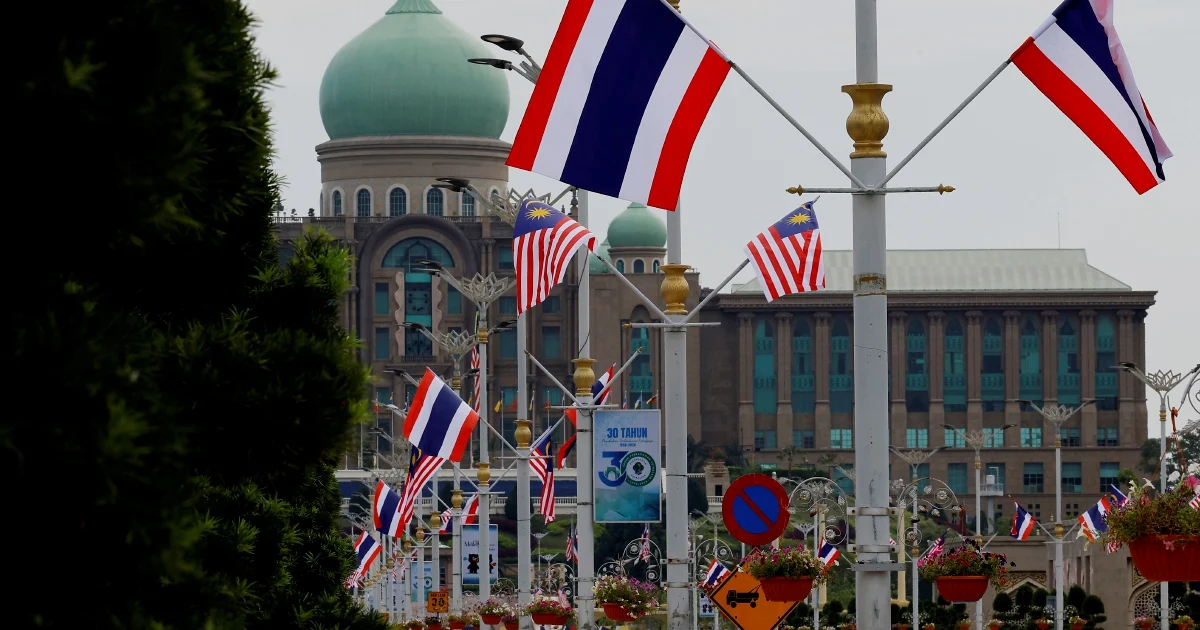
Thai Prime Minister Anutin Charnvirakul will arrive in Malaysia on Thursday for a two-day official visit aimed at deepening ties between the neighbouring countries and advancing mutual interests in cross-border connectivity and the agricultural sector. The high-level engagement reflects the strategic importance both nations place on strengthening their partnership amid broader regional developments and economic interdependencies.
The centrepiece of Charnvirakul's itinerary will be the formal inauguration of a new border road, which he will unveil alongside Malaysian Prime Minister Anwar Ibrahim. This infrastructure project represents a tangible outcome of ongoing bilateral cooperation efforts and underscores the commitment of both governments to facilitating smoother movement of goods and people across the Thailand-Malaysia frontier. Enhanced road connectivity between the two countries carries significant implications for regional trade corridors and supply chain resilience in Southeast Asia.
Improved border infrastructure holds particular relevance for Malaysian and Thai businesses operating in cross-border zones. The new road facility is expected to reduce transit times, lower logistics costs, and encourage greater commercial integration between communities on either side of the frontier. For Malaysia, enhanced connectivity with Thailand strengthens its position within the Asean economic framework and supports the development of northern states that depend heavily on bilateral trade relationships.
The agricultural dimension of the visit reflects shared concerns among both nations regarding food security and rural development. Thailand and Malaysia have complementary agricultural sectors, with opportunities for cooperation ranging from crop production and livestock management to food processing and export logistics. Joint initiatives in these areas could benefit smallholder farmers and agribusiness enterprises in both countries while contributing to regional food system resilience.
Bilateral relations between Thailand and Malaysia have shown positive momentum in recent years, with regular high-level exchanges and collaborative forums addressing shared challenges. The consistent engagement at the prime ministerial level demonstrates the priority both governments assign to the relationship. However, managing historical sensitivities and ensuring equitable benefit-sharing from cross-border projects remains important for sustaining long-term cooperation.
The visit also occurs within a wider context of evolving regional dynamics, where countries are reassessing their positioning and strengthening partnerships with immediate neighbours. For Malaysia, deeper engagement with Thailand aligns with efforts to consolidate regional stability and create platforms for addressing transnational issues including environmental protection, labour migration, and public health.
From Thailand's perspective, strengthening ties with Malaysia reflects its broader strategy of leveraging relationships with neighbouring countries to enhance economic opportunities and reinforce its influence within Asean. The focus on infrastructure and agriculture speaks to practical concerns affecting populations on both sides and offers tangible benefits beyond diplomatic symbolism.
The two-day format of the visit suggests a comprehensive engagement schedule, likely encompassing bilateral meetings, sectoral discussions, and perhaps ceremonial events reflecting the importance placed on the occasion. Such visits typically result in joint statements or agreements outlining areas of future cooperation and establishing mechanisms for regular dialogue on key issues.
International observers will be watching this visit as an indicator of Thailand's foreign policy direction under current leadership and Malaysia's approach to managing its northern frontier. The emphasis on connectivity and agriculture signals pragmatic governance focused on delivering economic benefits to citizens rather than confrontational positioning.
For Malaysian businesses with interests in Thailand or cross-border trade, the inauguration of new border infrastructure and the political commitment demonstrated through this high-level visit creates a more conducive environment for commercial expansion. Reduced barriers to movement can unlock opportunities in logistics, manufacturing, and agricultural trade that have previously been constrained by infrastructure limitations.
The timing and substance of such visits are carefully choreographed to achieve multiple objectives simultaneously. Beyond the ceremonial aspects, they serve to maintain channels of communication, resolve outstanding issues, and establish commitments that guide bilateral relations until the next formal engagement. For both countries, continuity and deepening of ties represent a hedge against uncertainty in the regional security environment.
As Malaysia continues navigating its role in Southeast Asia and pursuing economic diversification strategies, strengthened relationships with close neighbours like Thailand provide a foundation for collective regional problem-solving and mutual prosperity. The practical focus on infrastructure and agriculture in this visit reflects mature governance priorities that transcend traditional diplomatic courtesies.

