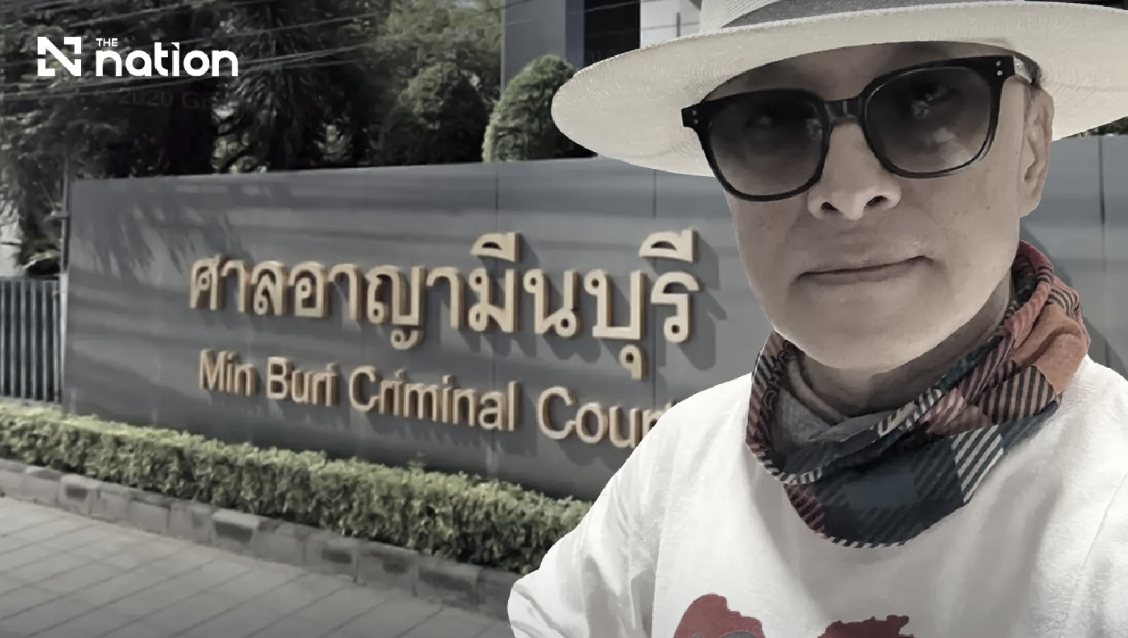
A Bangkok criminal court has sentenced Manasawin Nantasen, a veteran Thai pop star known professionally as Tik Shiro, to two years in prison after he drove while intoxicated and killed two people in a collision that reignited debate about celebrity accountability in Thailand. The 64-year-old musician, who built his career in the late 1980s and 1990s as a stylish entertainer who cultivated an image reminiscent of Michael Jackson through his signature fedora hats, leather jackets, and polished dance performances, received the sentence on Wednesday following a criminal court hearing in Bangkok.
The incident that led to the conviction occurred in October 2024 when Nantasen was operating his vehicle on a Bangkok bridge and struck a stationary motorcycle. The collision proved catastrophic for a 28-year-old woman who was on the motorcycle, who died at the scene. Her brother, aged 21, was knocked off the bridge by the impact and sustained critical injuries that ultimately proved fatal when he succumbed to his wounds in hospital. The sequence of events painted a tragic picture of preventable loss directly attributable to the singer's impaired state.
What distinguished this case from many high-profile incidents involving Thailand's entertainment and business elite was the immediate public attention it garnered and the legal proceedings that followed. A widely-circulated video showing Nantasen kneeling in apparent grief at the accident site circulated throughout Thai social media platforms, generating substantial public discourse in a nation where celebrity figures and wealthy individuals have frequently escaped meaningful legal consequences for serious infractions. This visual documentation appeared to create pressure for the judicial system to demonstrate that even prominent personalities could face accountability.
The court's judgment cited multiple mitigating factors in reaching its decision to impose the two-year custodial sentence. Prosecutors and the court noted that Nantasin had surrendered to authorities and cooperated fully with investigators, providing statements that assisted the judicial process. Additionally, the defendant demonstrated remorse by attending the funeral ceremonies of the two victims and providing financial compensation to the bereaved families, actions the court viewed as indicative of genuine contrition. Nevertheless, the bench ordered the permanent revocation of his driving privileges, a measure designed to prevent future road-related offenses.
Nantasen's conviction represents a notable moment in Thailand's ongoing struggle with perceived disparities in how the legal system treats influential figures. The case arrives amid a broader pattern of high-profile incidents where celebrities and members of elite families have either avoided prosecution or received lenient treatment. The concurrent release of rock musician Sek Loso from prison on the same day—after serving slightly more than a year for drug offenses and illegal firearm possession—underscored the varied outcomes that criminal defendants receive within Thailand's justice framework, depending on numerous factors including cooperation with authorities and demonstrations of rehabilitation.
Thailand's history contains several notorious cases that continue to shape public perception of judicial inequity. The 2012 incident involving Vorayuth Yoovidhya, heir to the Red Bull fortune, exemplified the potential for high-profile cases to result in minimal legal consequences. Yoovidhya was accused of driving his Ferrari into a Bangkok police officer in an upscale neighbourhood, killing the officer immediately. Despite a police investigation, authorities never filed charges against him, a decision that generated substantial Thai public frustration and international attention to perceived gaps in judicial accountability. Similarly, a case from 2001 involving the son of former Pheu Thai MP Chalerm Yubamrung, who allegedly fatally shot a man during a dispute in a crowded Bangkok nightclub, concluded with an acquittal based on insufficient evidence despite eyewitness accounts.
For Malaysian and regional audiences, Nantasen's conviction carries implications beyond the immediate Thai context. Southeast Asian nations grapple collectively with questions about equal justice and whether entertainment and business figures operate under different legal standards than ordinary citizens. Thailand's case law, media coverage, and public responses to celebrity crimes often influence regional discussions about judicial reform and public trust in legal systems. The visibility of the Nantasen verdict may set precedent within Thailand's courts regarding sentencing expectations for similar offenses involving prominent defendants.
The reputational dimension of Nantasen's conviction warrants consideration alongside the legal consequences. A figure who spent decades cultivating an image as Thailand's answer to an international pop icon now faces permanent loss of driving privileges and immediate incarceration. His legacy in Thailand's entertainment history, previously defined by his distinctive aesthetic and dancing ability, will now encompass this serious criminal conviction. The intersection of his artistic contributions and his criminal culpability creates a complex narrative that Thai society will continue processing and debating.
The timing and media attention surrounding the case reflect evolving attitudes within Thailand toward accountability among high-profile figures. Public memory of the Red Bull heir case and other instances of apparent impunity has created heightened scrutiny of subsequent celebrity legal proceedings. When Nantasen's case advanced to sentencing, the court operated within an environment of public expectation that meaningful consequences would follow. Whether this represents a genuine shift toward consistent judicial treatment or remains an isolated instance demonstrating accountability requires observation of subsequent cases involving comparable defendants and offenses.