A secondary school student in Thailand's Nonthaburi province killed his grandparents at their family home before proceeding to carry out a shooting rampage at Debsirin Nonthaburi School on Friday morning, August 7, leaving seven people dead and 15 others wounded, according to police investigations. The incident represents one of the most severe cases of school violence in Thailand in recent years, raising fresh concerns about access to firearms and youth mental health across Southeast Asia.
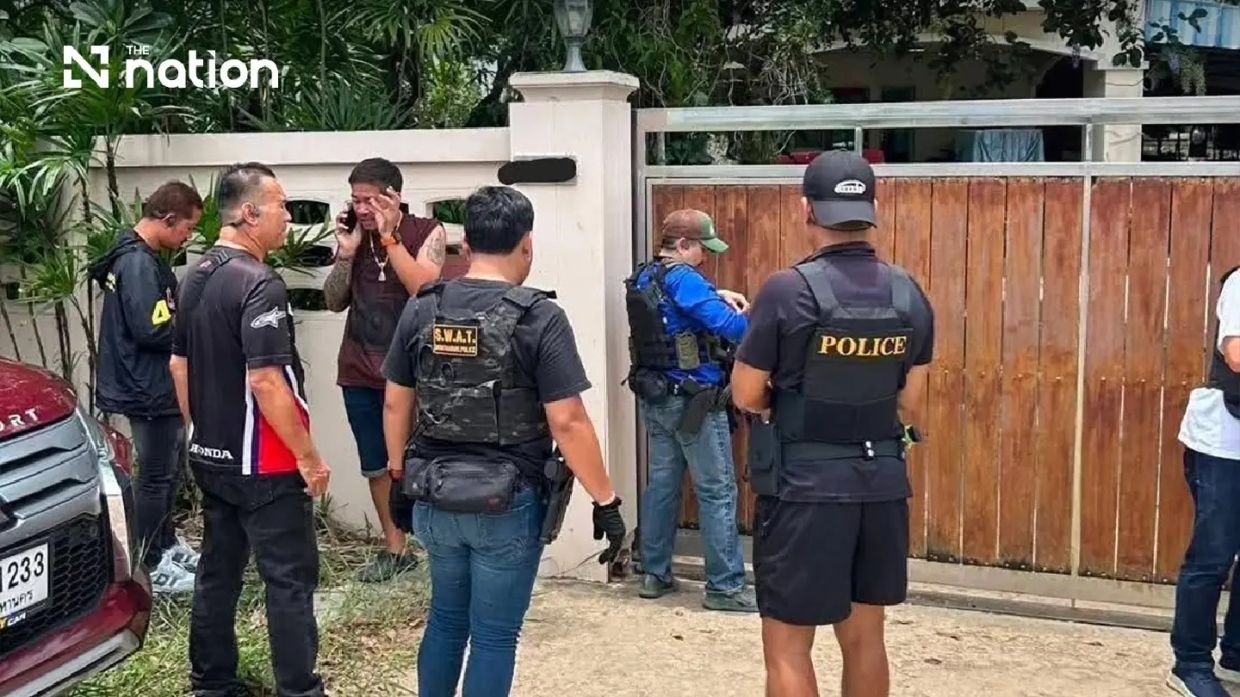
The suspect, identified as a Mathayom 2 student living with his paternal grandparents in Bang Bua Thong district, obtained a CZ 9mm handgun registered under his grandfather's name before committing the attacks. Investigators discovered both grandparents dead at their residence in a residential estate on Soi Wat Lat Pla Duk, Bang Khu Rat subdistrict, with preliminary evidence suggesting they were killed using the same weapon that would later be used in the school shooting. The sequence of events indicates a deliberate progression from familial violence to the mass casualty incident at the educational institution.
Pol Lt Gen Trairong Phiwphan, spokesman for the Royal Thai Police, confirmed that officers had successfully contained the situation at the school and halted the violence. Emergency responders removed all casualties and fatalities from the school grounds, and the National Police Chief, Pol Gen Kitrat Phanphet, mobilised resources for comprehensive scene examination, evidence collection, and detailed documentation of the incident. The scale of the response underscores the severity with which Thai authorities are treating the matter and the urgency of understanding how such an attack could occur.
A critical investigative priority centres on how the suspect accessed the firearm and ammunition despite the weapon being registered to a family member. Police have confirmed that the 9mm handgun belonged to the grandfather's lawful possession, yet investigators must still determine the specific circumstances through which the juvenile obtained access to the weapon, the storage conditions under which it was kept, and the origin of the ammunition used in both the domestic killing and the school shooting. This line of inquiry has profound implications for firearm regulation and domestic security in Thailand.
The investigation into motive remains ongoing, as authorities emphasise that establishing a credible explanation requires detailed examination of the suspect's behaviour preceding the incident, his family relationships, and his broader personal circumstances. Officers have already established contact with the suspect's guardians and confirmed he had been residing with elderly relatives, yet police cautioned that deeper psychological and contextual analysis will be necessary to understand what triggered such violence. Early investigations have not yielded clear answers about whether the student had displayed warning signs or harboured grievances that might have predicted such extreme actions.
Pol Gen Kitrat Phanphet has specifically instructed the Police General Hospital's chief medical officer to deploy psychologists and mental health specialists to support affected communities. These teams will work with teachers, students, and other trauma survivors to provide immediate counselling and longer-term psychological intervention aimed at mitigating potential enduring mental health consequences. This institutional response reflects growing recognition in Thailand that mass violence incidents generate complex psychological sequelae extending well beyond the immediate casualties.
The incident illuminates systemic vulnerabilities in how family firearms are secured and monitored in Thai households. While the grandfather possessed legal registration of the weapon, mechanisms ensuring that minors cannot access such arms appear inadequate. Questions about storage practices, supervision protocols, and notification requirements when firearms are present in homes with young people have emerged as central policy concerns. Neighbouring countries across Southeast Asia may similarly grapple with comparable gaps in regulatory frameworks governing civilian firearms in domestic settings.
The severity of the attack—resulting in six deaths among school occupants plus the suspect's suicide, and injuring 15 others—demonstrates the escalatory potential when firearms access combines with youth vulnerability factors. The progression from familial homicide to mass shooting suggests internal family conflict that escalated to catastrophic proportions. Understanding whether the student had access to counselling, whether his schools or family members identified warning indicators, and whether intervention opportunities existed becomes essential for preventing similar incidents.
For Malaysian readers and the broader Southeast Asian region, this incident presents a cautionary case study about the intersection of firearm accessibility, inadequate mental health services for young people, and family dysfunction. Thailand's experience underscores the importance of comprehensive approaches including secure firearm storage requirements, enhanced screening for firearm ownership, expanded youth mental health infrastructure, and improved communication protocols between educational institutions, families, and health services. The incident also highlights how regional connectivity means security challenges in neighbouring countries warrant careful attention from Malaysian policymakers and security officials.

