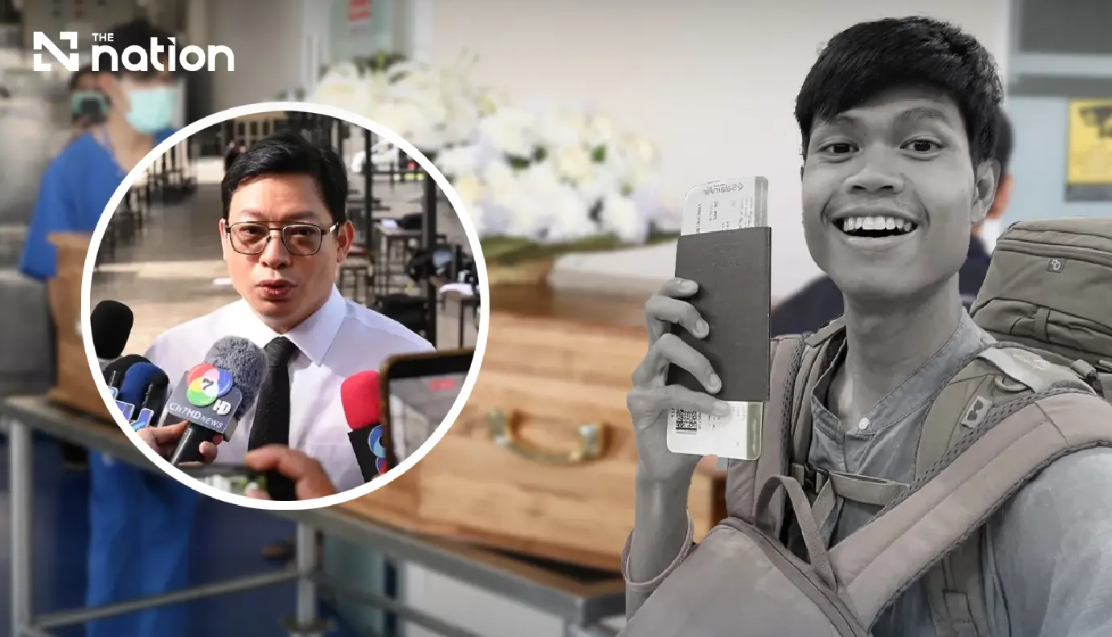
Thai travel vlogger Bawornthat "Hlun Solo" Pengsuk died from failure of the heart and circulatory system, according to preliminary post-mortem findings released by Thailand's Central Institute of Forensic Science. The determination comes after his body was repatriated from Georgia, where he died unexpectedly during travels that formed the backbone of his online content creation work.
Associate Professor Dr Worawee Waiyawut, deputy director of the institute under the Ministry of Justice, presented the initial findings on Thursday (Aug 6) following formal examination of Hlun's remains. The announcement marked a significant development in clarifying the circumstances surrounding the 24-year-old content creator's sudden death. Importantly, however, forensic experts have deliberately avoided reaching definitive conclusions about underlying causes, emphasizing that toxins and chemical substances have not been ruled out as contributing factors.
The Georgian authorities had already conducted their own post-mortem examination before the body's transfer to Thailand. Thai medical officials reviewed the work performed by their counterparts and explained the findings to Hlun's family, who subsequently authorized the release of preliminary information to the public. The initial examination uncovered no evidence of physical trauma, assault, or broken bones. Beyond the cardiac abnormalities, no other organ damage was detected, suggesting the death was not the result of widespread systemic failure.
Despite these encouraging findings regarding trauma, the investigation remains far from complete. Forensic doctors plan additional laboratory analysis focusing on cardiac tissue and potential hereditary factors that might explain the heart failure in a young person. The possibility that Hlun suffered from sudden unexplained nocturnal death—a phenomenon recognized in medical literature—requires specific testing protocols before authorities can reach firm conclusions. The family and forensic team are proceeding methodically rather than rushing toward premature explanations.
Somsak "Mos" Butsri, Hlun's elder brother, has assumed responsibility for coordinating information between the family and authorities. Addressing representatives before the preliminary findings were disclosed, Somsak emphasized that the Thai examination was deliberately requested by the family because they harbored significant unanswered questions about their brother's death. The family's primary concerns center on whether toxic substances were present in Hlun's system, the precise condition of his heart, and any alternative explanations authorities might have overlooked.
The family's frustration with Georgian authorities is evident in their account of the repatriation process. Georgian officials provided only the death certificate without detailed information about their post-mortem procedures or findings. Crucially, organ samples and DNA material were retained by Georgian authorities, yet the family remains uncertain about the specific testing protocols that will be applied to those materials. This lack of transparency has understandably motivated the family to pursue their own comprehensive investigation through Thai institutions.
Once results from Thailand's toxicological and cardiac analyses become available, the family intends to compare findings from both countries, particularly regarding potential chemical exposure or poisoning. This concern reflects patterns sometimes observed in cases involving young people traveling in unfamiliar environments, though Somsak emphasized that no physical evidence currently supports such suspicions. The absence of external injuries or signs of assault provides some reassurance, yet the family remains vigilant about other possibilities.
Somsak acknowledged significant gaps in the family's knowledge about Hlun's medical history and underlying health conditions. The vlogger did not routinely discuss health matters with relatives, meaning potential pre-existing cardiac vulnerabilities may have gone unnoticed. This information gap underscores why comprehensive forensic analysis becomes essential for families seeking to understand sudden deaths in young individuals who maintained relatively private personal lives. Nevertheless, should examination results reveal evidence of physical assault, the family has pledged to pursue full legal remedies through Thai justice systems.
The practical dimensions of loss are manifesting alongside the investigative process. Among Hlun's belongings, only his passport was returned with his body, while other personal effects remain unaccounted for. These material absences compound the family's concerns and incomplete understanding of Hlun's circumstances at the moment of death. The post-mortem procedure was expected to conclude by Friday (Aug 7), after which Somsak planned to transport Hlun's remains to their home province of Kalasin for traditional funeral observances.
Family considerations extend beyond forensic findings to emotional and practical matters. Hlun's grandmother has maintained composure throughout the ordeal, requesting simply that her grandson be brought home. However, the family remains uncertain how the elderly matriarch will respond when confronted with physical evidence of her loss. Funeral arrangements, including cremation timing, remain subject to family discussion and traditional practices specific to their community. Somsak concluded his remarks with gratitude toward Thai citizens and institutions whose efforts facilitated the repatriation process, acknowledging broad public support during this difficult period.
The case highlights ongoing challenges in international death investigations, particularly when young people die under unexpected circumstances far from home. Coordination between Thai and Georgian authorities will prove essential for resolving remaining questions. The Ministry of Justice has committed to obtaining comprehensive records from Georgian institutions, including detailed post-mortem documentation and chemical analysis results. However, officials acknowledge that this international coordination process will require substantial time before complete clarity emerges.

