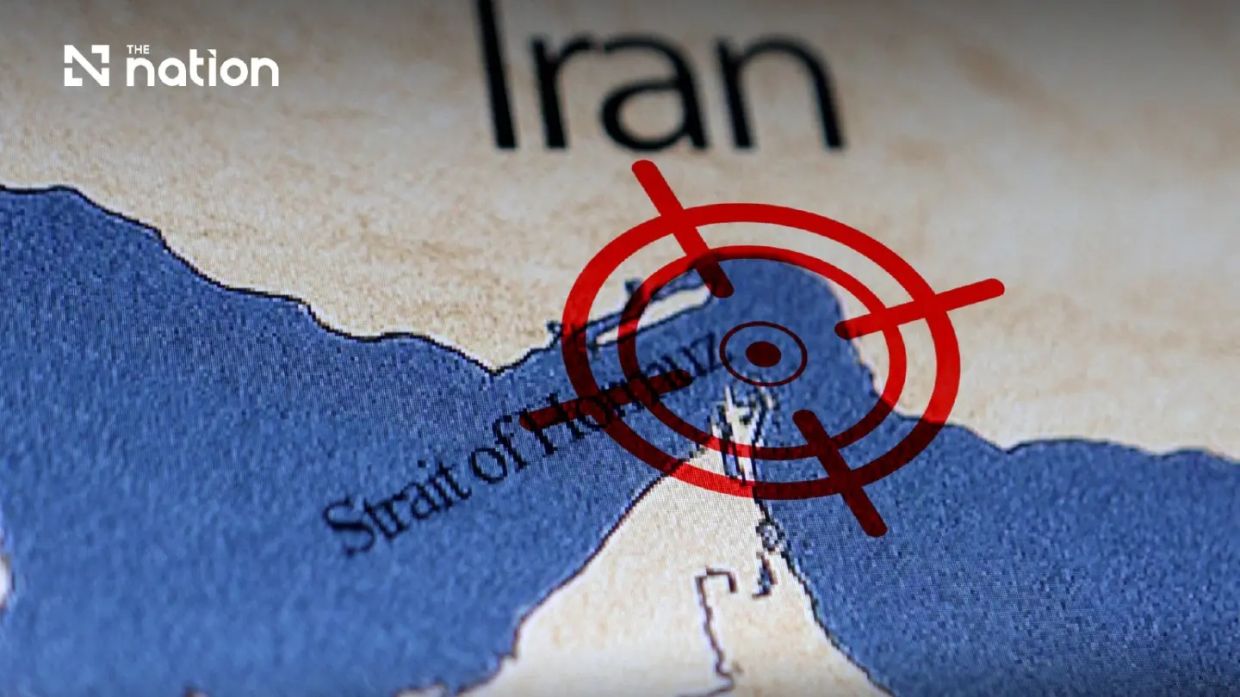
A vessel flying the Thai flag came under attack from Iranian forces while transiting the Strait of Hormuz, according to reports from Tehran-aligned media outlets, signalling a dangerous escalation in military tensions that threatens one of the world's most critical energy corridors. The reported incident underscores mounting risks to commercial shipping as tit-for-tat military operations between the United States and Iran reshape the security landscape in the Persian Gulf.
Iran's semi-official Tasnim news agency reported the attack but offered minimal operational detail, refraining from disclosing the vessel's identity, ownership structure, cargo manifest, or the nationality of crew members involved. The Thai government, maritime safety organisations, and the ship's operator have yet to provide independent confirmation of the reported incident, leaving key details about the extent of any damage or whether personnel sustained injuries unverified at this stage.
The reported assault on the Thai-flagged ship forms part of a broader pattern of maritime confrontation unfolding across the Strait of Hormuz, where Iranian military authorities have issued explicit warnings to shipping companies to heed official notices from armed forces personnel operating in the region. The strategic chokepoint, through which roughly one-third of globally traded petroleum passes annually, has become increasingly hazardous as military activity intensifies on both sides of the divide.
According to Iranian state media, two oil tankers ignited following explosions after attempting to navigate waters Tehran described as a minefield positioned in southern sections of the waterway. The Islamic Revolutionary Guard Corps Navy characterised the maritime environment as "extremely unsafe" and claimed the channel was entirely impassable due to what it labelled American aggression, effectively warning international shipping companies of severe operational constraints.
The IRGC separately alleged that it had intercepted four commercial oil tankers purportedly receiving US military escort through the Strait of Hormuz. Iranian forces reportedly ordered these vessels to hold position during coordinated missile and unmanned aircraft operations. The military body subsequently issued a stark warning to vessel operators to comply with Iranian maritime directives rather than depend on American military protection—a declaration designed to pressure shipping companies and insurance providers into altering their operational patterns and route selections.
Meanwhile, United States military operations intensified dramatically, with CENTCOM executing a seventh consecutive night of airstrikes targeting Iranian military installations and infrastructure. The latest bombing campaign, initiated Friday evening GMT, was formally designated as continuing efforts to "degrade Iran's military capabilities," though American military officials declined to itemise specific targets or quantify damage inflicted. Iranian state authorities subsequently reported that American strikes had damaged civilian infrastructure across southern Iran, including transportation networks, energy generation facilities, and aviation infrastructure. Foreign Minister Abbas Araghchi disclosed that eight people died in overnight attacks, including three killed at a bridge in Bandar Khamir.
The geographic and functional scope of the conflict expanded as Iran claimed responsibility for retaliatory strikes against American military assets distributed across multiple Gulf nations. Qatar's armed forces intercepted an Iranian aerial attack, an incident that resulted in a child sustaining injuries from debris. Iranian military officials additionally asserted that newly developed air-defence systems had successfully destroyed an American MQ-9 reconnaissance drone over Bushehr, though Washington has not yet acknowledged losing an aircraft in the operation. These competing claims and unverified damage reports illustrate how rapidly military escalation has progressed across the region.
For Malaysia and Southeast Asia, the deteriorating security situation in the Strait of Hormuz carries profound economic implications. As a resource-dependent region deeply integrated into global energy markets, Southeast Asia faces potential disruptions to petroleum supplies and corresponding price volatility should shipping disruptions persist. Malaysian petroleum importers, manufacturers relying on energy inputs, and companies with exposure to global shipping costs face mounting operational uncertainty and budget pressures as insurance premiums spike and freight charges fluctuate in response to heightened maritime risks.
The cascading effects of sustained tension extend beyond energy security into broader financial and trade domains. Insurance companies have begun adjusting coverage terms and premiums for vessels transiting the Strait of Hormuz, effectively increasing the cost structure for any shipping company moving cargo through the waterway. Prolonged disruptions would inevitably ripple through global commodity markets, affecting prices for crude oil, liquefied natural gas, and refined petroleum products that regional economies depend upon. For Malaysian businesses engaged in international trade, these developments translate into unpredictable cost pressures and supply chain vulnerabilities.
The reported attack on the Thai-flagged vessel also carries symbolic significance within the Southeast Asian context. Thailand's prominent position as a regional maritime nation means threats to Thai-registered shipping affect broader ASEAN interests and underscore how extant Middle Eastern conflicts increasingly threaten Southeast Asian economic welfare. The incident demonstrates that regional stability cannot be compartmentalised—geopolitical upheaval thousands of kilometres away directly impacts trade corridors, energy security, and financial stability across the region.
Looking forward, the intensifying Iran-US military exchanges pose escalating risks to civilian commerce and potentially threaten freedom of navigation principles that underpin regional prosperity. The proliferation of unconfirmed claims, limited independent verification, and rapid military escalation creates an environment where miscalculation becomes increasingly probable. For Malaysian policymakers and business leaders monitoring developments, the unfolding situation demands heightened vigilance regarding supply chain exposure, currency hedging strategies, and energy procurement diversification to mitigate mounting regional volatility.

