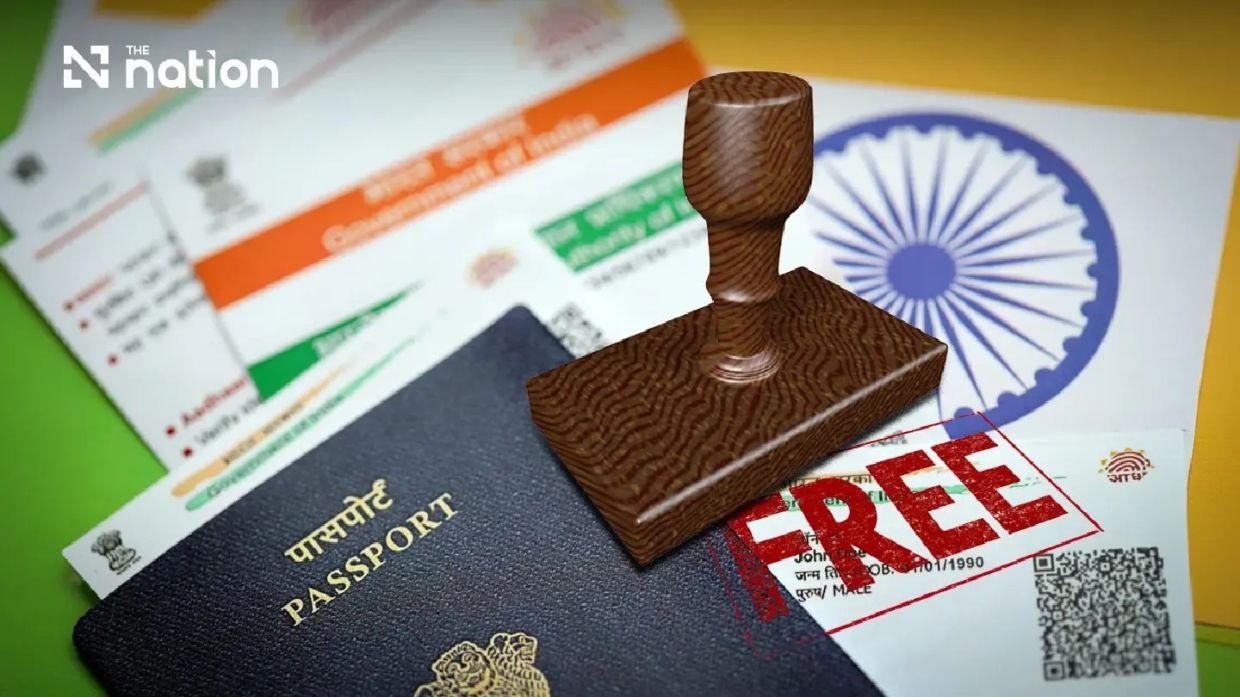
Thailand's decision to grant Indian nationals 30-day visa-free stays represents a strategic pivot in the kingdom's efforts to cement its position as the premier wedding and celebration destination in Asia. Tourism and Sports Minister Surasak Phancharoenworakul has positioned the extended visa window as essential to capturing an increasingly lucrative segment of international travellers, particularly those organising multi-day destination weddings and cultural festivities. The policy reversal, which rejects an earlier proposal limiting Indian visitors to just 15 days, underscores how competition for high-value tourism has reshaped visa diplomacy across Southeast Asia.
The rationale behind the extended entitlement reveals deeper insights into Indian traveller behaviour and spending patterns. Wedding celebrations and major social events often unfold over two to four weeks, requiring extended preparation, multiple ceremony components, and extended family gatherings. A 15-day restriction would have effectively priced out these high-value occasions or pushed organisers towards competing destinations such as Vietnam, Malaysia, or Singapore. By matching the 30-day allowance granted to other visa-exempt categories, Thailand signals parity in its commitment to Indian travellers while simultaneously lowering the administrative friction that might otherwise deter visitors during the critical booking window.
India's emergence as Thailand's third-largest source market reflects a profound shift in Asian tourism demographics and purchasing power. The Tourism Authority of Thailand projects arrivals will climb from 2.55 million in 2026 to 2.7 million in 2027, representing growth of 5.8 percent. Already, Indian visitors have contributed approximately 1.3 million arrivals since the start of 2026, tracking ahead of historical patterns. Previous year performance proved equally robust: 2025 saw 2.48 million Indian arrivals generate 90.425 billion baht in tourism revenue, marking a 16.82 percent year-on-year increase. These figures place India alongside China and Southeast Asian neighbours as a cornerstone of Thailand's post-pandemic tourism recovery and long-term expansion strategy.
The financial profile of Indian travellers makes them disproportionately valuable to Thailand's strategic pivot towards high-yield tourism. Average daily expenditure reaches 6,203 baht per person, translating to approximately 36,354 baht per visit. This spending intensity, coupled with an average stay of 7.17 days, positions Indian visitors among Thailand's most economically significant source markets. The demographic composition adds further appeal: 59.68 percent represent first-time visitors, indicating substantial room for repeat visitation and brand loyalty development. Meanwhile, 68.63 percent travel independently rather than through organised tour groups, suggesting greater flexibility in itinerary design and extended urban stays that benefit hospitality, retail, and hospitality services across Thailand.
Thai cuisine, beaches, and wellness experiences dominate the attraction landscape for Indian tourists, though emerging preferences point towards experiential travel rather than conventional sightseeing. This shift aligns with broader global tourism trends, as younger Indians increasingly seek immersive encounters with local cultures, culinary traditions, and everyday lifestyles rather than standard heritage monument tours. The wellness sector particularly resonates, reflecting India's substantial middle-class investment in health tourism and yoga retreats. Thailand's secondary cities—Chiang Mai, Krabi, and Phuket among them—benefit from this preference distribution, reducing concentration in Bangkok and spreading economic activity throughout the country.
Air connectivity forms the operational backbone of India-Thailand tourism growth, and recent developments suggest substantial expansion headroom. Routes from cities served by the TAT's New Delhi office—including nine direct connections across India—operate 144 weekly flights with more than 32,000 seats. The Mumbai office oversees markets with approximately 160 weekly flights and 33,000 seats. Combined weekly capacity approaches 66,000 seats, yet disruptions caused by Middle East geopolitical tensions and elevated fuel prices have created capacity gaps that airlines are only now beginning to restore. This latent capacity, once fully deployed, could substantially exceed current booking rates and enable the 2027 target.
The TAT's geographic expansion strategy targets tier-two and tier-three Indian cities as growth engines, recognising that traditional metropolitan markets have achieved saturation. Tier-one cities including New Delhi, Mumbai, and Kolkata will continue receiving intensive promotion, yet emerging opportunities lie in Lucknow, Chandigarh, Guwahati, Ahmedabad, Surat, and Pune. Surat's diamond industry concentration provides access to high-net-worth individuals with substantial discretionary spending capacity, while Pune's automotive and industrial sectors develop affluent consumer bases. These secondary markets historically show lower tourism penetration rates, making them attractive for growth investment and brand development. Neighbouring markets including Bhutan, Nepal, and Bangladesh receive parallel promotional attention, effectively treating the broader South Asian region as an integrated tourism catchment.
Thailand's competitive position faces mounting pressure from rival Southeast Asian destinations adopting increasingly aggressive strategies. Vietnam leverages competitive pricing and promotional incentives to attract Indian visitors, capitalising on flight connectivity improvements and positioning itself as a value alternative. Malaysia emphasises its visa-free access and cultural familiarity for Indian populations, particularly those with historical migration connections. Singapore has cultivated strength in the family leisure market, deploying premium positioning and service excellence to attract higher-income Indian cohorts. This intensifying competition validates Thailand's decision to extend visa-free access, recognising that administrative friction—no matter how minor—influences destination selection among price-sensitive and choice-rich Indian consumers.
The revised visa framework approved by Thailand's Cabinet on July 14 situates India within a 59-country visa-exemption category rather than reverting it to Visa on Arrival status, a critical distinction. This placement reflects the government's principle of "one country or territory, one entry category," which aims to eliminate overlapping privileges and simplify immigration screening while maintaining competitive visa incentives. The framework balances tourism expansion with enhanced security protocols, as all non-Thai nationals—including Indian visitors—must complete digital arrival cards within three days before arrival. This digital requirement streamlines processing while enabling pre-arrival security assessments and contact tracing capabilities, addressing government concerns about border management without imposing visible administrative delays.
The abandonment of the temporary 60-day visa exemption programme covering 93 countries initially sparked concerns among Thailand's tourism industry, fearing that Indian visitors might face reclassification to less attractive entry categories. The decisive outcome—placement in the 30-day standard exemption category—effectively removed this competitive risk while establishing a more sustainable framework. This outcome illustrates how tourism stakeholder advocacy successfully influenced policy, with industry operators recognising that temporary programmes lack the policy durability required for long-term marketing campaigns and traveller confidence building. The permanent 30-day entitlement enables TAT to market Thailand with certainty, while Indian travel agents and tour operators gain the confidence necessary to build Thailand into package offerings.
Looking forward, India represents a crown jewel in Thailand's tourism diversification strategy, particularly given anticipated demographic shifts and rising incomes across South Asia. The Indian middle class continues expanding, with estimates suggesting 200 million individuals will join the global tourism-capable income bracket within the next decade. Thailand's early cultivation of this market, through extended visa access and targeted regional promotion, positions it advantageously to capture disproportionate share growth. However, success requires sustained infrastructure investment, air capacity expansion, and consistent service quality differentiation. The 2.7 million arrival target for 2027 remains ambitious but achievable if air connectivity reaches projected levels and the experiential travel positioning gains traction among younger Indian cohorts.
Thailand's strategic choice to extend visa-free access for Indian travellers reflects sophisticated understanding of contemporary tourism economics and competitive dynamics. Rather than treating visa policy as a peripheral administrative matter, Thai policymakers recognised it as a central component of destination positioning. The 30-day entitlement removes friction from the decision journey while signalling commitment to an increasingly important and financially valuable market segment. As Southeast Asian nations compete intensely for tourism revenues and foreign exchange earnings, Thailand's decisive action on Indian visa access demonstrates that winning destinations remain willing to adjust policies when compelling economic rationales emerge. This pragmatism, combined with targeted regional promotion and infrastructure enhancement, positions Thailand to achieve and potentially exceed its ambitious 2027 growth targets.

