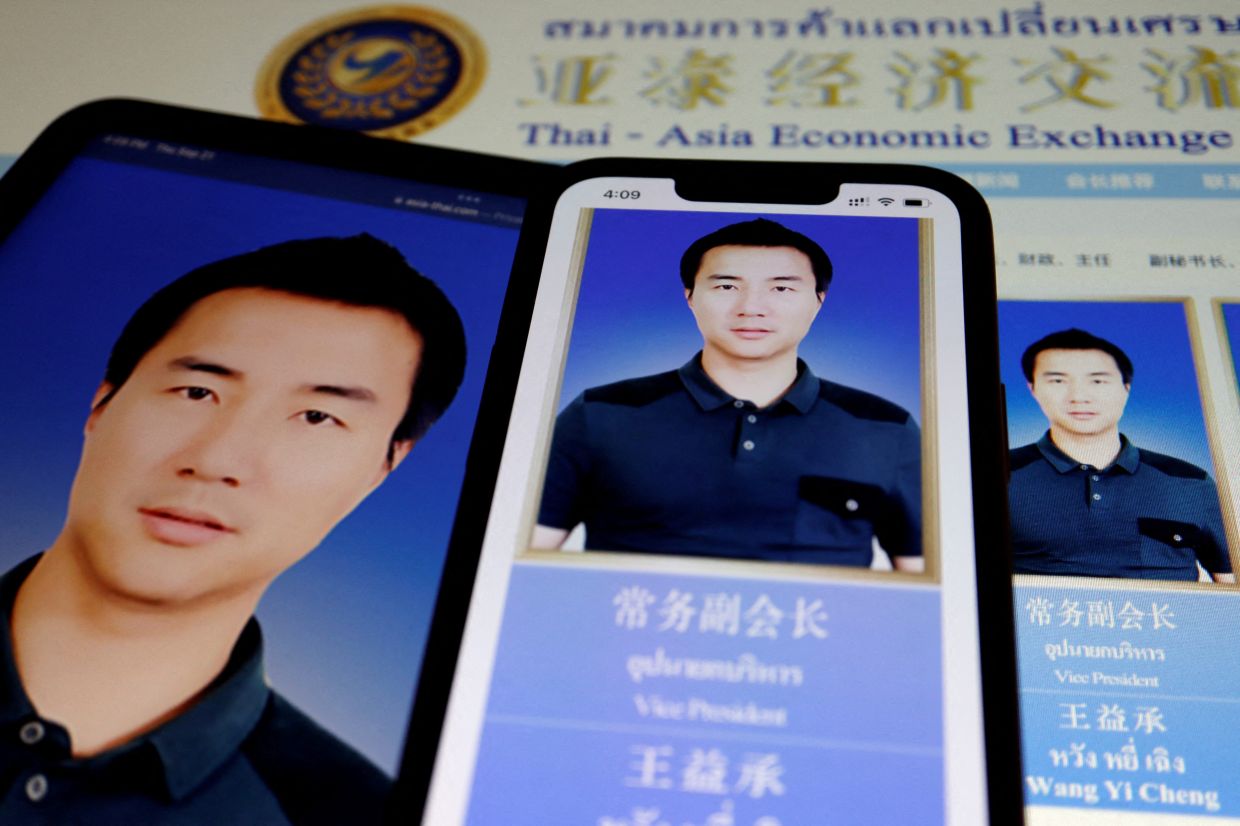
Thai law enforcement authorities have moved to apprehend a Chinese businessman implicated in one of Southeast Asia's largest transnational cryptocurrency fraud schemes. Wang Yicheng, who remains at large, faces charges of theft and violations under the Computer Crimes Act following an investigation by Thailand's Department of Special Investigation. The case represents a significant escalation in regional efforts to dismantle networks that exploit digital currencies to obscure the proceeds of organised crime, a problem that has grown exponentially across the region in recent years.
Wang became the subject of international scrutiny following a comprehensive 2023 Reuters investigation into fraudulent cryptocurrency investment schemes operating across Southeast Asia. That report documented how an account bearing his name received substantial sums—at least US$9.1 million between 2021 and 2022—from crypto wallets that blockchain analysis firms traced directly to "pig-butchering" scams. These elaborate confidence schemes target victims globally, with perpetrators posing as romantic interests or investment professionals to deceive individuals into transferring money to fraudulent cryptocurrency platforms. One documented victim, a 71-year-old California resident, lost his entire life savings of US$2.7 million after developing what he believed to be a genuine romantic relationship with someone online.
The DSI's investigation revealed that Wang operated within a larger criminal ecosystem comprising four unnamed Chinese nationals and four individuals from Myanmar. Collectively, this network allegedly orchestrated illegal cryptocurrency mining operations that siphoned approximately US$28 million in electricity from Thai power infrastructure without authorisation. The scale of this theft ranks among the most substantial electricity fraud cases prosecuted in Southeast Asia, reflecting both the sophistication of these operations and their genuine economic impact on host countries. Police Major Woranan Srilam confirmed in late June that Wang was formally charged in November of the previous year, though authorities only recently publicised the warrant as part of a broader crackdown on such networks.
The mechanics of how these groups exploit cryptocurrency technology illuminate broader vulnerabilities in regional financial systems. Illegal crypto mining provides multiple criminal advantages simultaneously: it generates income from stolen electricity, creates a veneer of legitimacy for illicit funds through the appearance of legitimate mining operations, and facilitates the movement of money across borders with reduced detection. Law enforcement agencies have identified this operational model as a critical component of transnational organised crime infrastructure. The combination of scam proceeds, gambling revenues, and human trafficking earnings flows through these mining operations, effectively washing criminal money into the legitimate economy through the technical complexity of blockchain transactions.
Wang's background and alleged influence illuminate how these schemes penetrate legitimate institutional structures. He previously held the position of vice president at the Thai-Asia Economic Exchange Trade Association, an organisation ostensibly dedicated to fostering business ties between Thailand and China. During this period, according to available records, Wang cultivated relationships with senior Thai law enforcement officials and political figures, relationships that extended to the trade association's leadership circles. This intersection of organised crime with official networks—even if peripheral or social rather than directly corrupt—represents a persistent challenge for Southeast Asian governance and explains why international cooperation has become essential for effective prosecution.
The United States has independently identified Wang as a suspect in digital-asset fraud cases. In June 2023, American law enforcement seized approximately US$500,000 in cryptocurrency from accounts bearing his name, tracing the funds to theft from a Massachusetts resident. This coordinated action between American and Thai authorities reflects the fundamentally transnational character of these criminal enterprises and demonstrates how regulatory gaps in one jurisdiction create operational opportunities elsewhere. Wang's apparent flight from Thailand suggests he recognised escalating legal jeopardy as regional investigations intensified and international cooperation mechanisms activated.
Thailand's current enforcement surge must be understood within the context of Southeast Asia's broader struggle against transnational crime networks. Recent months have witnessed unprecedented cooperation among regional governments to dismantle Chinese-operated scam syndicates, operations frequently anchored in industrial compounds like KK Park on the Myanmar-Thailand border. The United Nations has documented that these schemes generate billions of dollars annually, often employing trafficking victims and creating modern slavery conditions within operational infrastructure. The scale of the problem extends far beyond individual prosecutions; entire communities in Myanmar and other border areas have become staging grounds for industrial-scale fraud operations targeting victims across the globe.
Major cryptocurrency equipment manufacturer Bitmain acknowledged in 2023 that Wang was a significant customer and business partner, though the company insisted all equipment sales occurred through legitimate channels. This relationship underscores how licit technology and commerce become entangled with criminal operations—manufacturers cannot easily distinguish between legitimate mining enterprises and criminal fronts, particularly when transactions involve established business figures with apparent institutional credibility. The challenge for authorities extends beyond identifying individual perpetrators to mapping and disrupting the entire commercial ecosystem that enables these operations.
The Thai-Asia Economic Exchange Trade Association attempted to distance itself from Wang following the Reuters investigation, announcing his removal from leadership positions and claiming background checks had revealed no criminal history prior to his involvement. The organisation asserted that senior Thai officials served merely as "advisers and friends" without financial stakes or business interests linked to the association or its members. However, the investigation's findings about the permeability of institutional boundaries between legitimate commerce and criminal enterprise suggest that such institutional separation claims, while potentially accurate in formal terms, may not adequately address the vulnerability of networks to infiltration and misuse by sophisticated operators.
China's Foreign Ministry declined to acknowledge awareness of the situation, a response consistent with Beijing's general posture regarding criminal matters affecting overseas Chinese nationals. The lack of visible Chinese government engagement complicates international enforcement efforts, as does Wang's apparent ability to depart Thailand without detection. These jurisdictional and diplomatic complexities illustrate why Southeast Asian nations have increasingly sought direct bilateral agreements and regional frameworks for handling transnational crime that bypasses traditional diplomatic channels where possible.
The Wang case exemplifies how cryptocurrency technology has fundamentally altered the operational landscape for transnational organised crime. The combination of scam networks, illegal mining, and cryptocurrency's relative anonymity creates an attractive criminal ecosystem that regional law enforcement agencies continue to struggle against despite significant investment in investigation and prosecution infrastructure. Thailand's issuance of the arrest warrant and coordination with international partners represents appropriate escalation, yet the fact that Wang remains at large underscores the persistent challenge of apprehending mobile criminals who operate across permeable borders and have cultivated protective relationships.
Looking forward, this investigation will likely influence policy discussions across Southeast Asia regarding cryptocurrency regulation, critical infrastructure protection, and transnational law enforcement cooperation. The case demonstrates that addressing these criminal networks requires not merely targeting individual bad actors but systematically addressing the institutional, technological, and jurisdictional gaps that allow such operations to flourish. Malaysia and other regional nations watching Thailand's prosecution efforts will likely reference this case as they develop their own enhanced regulatory and enforcement approaches to cryptocurrency-related financial crime.

