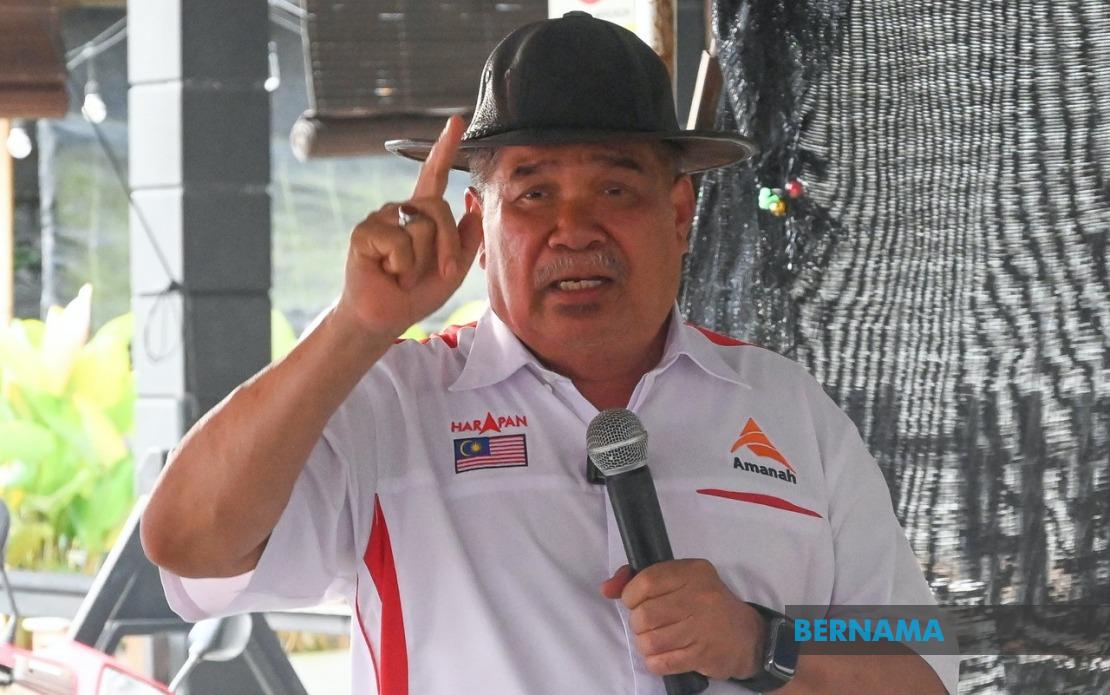
Malaysia is moving towards settling a lingering trade dispute with Thailand over shrimp imports, with Agriculture and Food Security Minister Datuk Seri Mohamad Sabu signalling that negotiations should conclude within the next fortnight. Speaking in Kota Bharu on August 8 after chairing the closing ceremony of the Road to MAHA 2026 East Coast Zone programme, Mohamad indicated that both nations have narrowed their differences and are in the final phases of resolving the contentious issue.
The backdrop to these negotiations stretches back to June when Malaysia implemented a temporary ban on five commercially important shrimp species originating from Thailand. The Ministry of Agriculture and Food Security had justified the move as part of a broader tightening of import safeguards for fishery products from its neighbour across the Causeway. The five varieties affected—Penaeus esculentus (brown tiger shrimp), Fenneropenaeus merguiensis (banana shrimp), Penaeus vannamei (white shrimp), Penaeus monodon (tiger shrimp) and Penaeus stylirostris (blue shrimp)—represent significant portions of Thailand's aquaculture exports to Malaysia and have generated considerable tension between the two countries' agricultural sectors.
The suspension has reverberated through regional supply chains and exposed the delicate interdependencies within Southeast Asian food production networks. For Malaysian importers and processors, the freeze created immediate sourcing challenges and threatened to disrupt established distribution partnerships. Thailand's shrimp farming industry, which generates billions in annual revenue and employs hundreds of thousands of workers, faced sudden market access constraints that threatened export revenues. This backdrop makes the impending resolution politically significant for both administrations, as prolonged disruptions risk antagonising neighbouring governments and destabilising trade relationships that extend far beyond aquaculture.
Modified import controls on fishery products reflect broader anxieties about food safety and biosecurity standards within Southeast Asia. Malaysia's stricter regimen responds to legitimate public health considerations—disease screening, pesticide residues and contamination risks in farmed shrimp operations can pose significant health threats if inadequately monitored. However, such measures inevitably spark bilateral tensions, as exporting nations view them as protectionist barriers masquerading as safety protocols. The negotiated settlement that Mohamad foreshadows will likely involve technical working groups establishing mutually acceptable certification and inspection protocols rather than outright bans.
Meanwhile, the Agriculture Minister used his Kota Bharu appearance to articulate a broader strategic vision for Malaysian agriculture that extends well beyond resolving immediate trade frictions. MAHA 2026, the marquee agricultural exhibition scheduled for late August through early September, will serve as a platform for showcasing technological innovation and attracting international investment into the sector. Mohamad outlined an ambitious expansion of the biennial event, indicating that participating nations will stretch across multiple continents—from African states to Central Asian republics alongside traditional partners including China, Britain, Japan and the United States.
This geographical diversification signals Malaysia's determination to position itself as a regional hub for agricultural innovation and technology transfer. By inviting participants from disparate regions with varying agronomic traditions and technological capabilities, Malaysian organisers hope to catalyse knowledge exchange and open new avenues for sectoral advancement. For Malaysian farmers and agribusiness enterprises, such exposure offers opportunities to benchmark their practices against international standards and access cutting-edge farming methodologies that enhance productivity and sustainability.
Food security has crystallised into a top-tier policy concern for Malaysian leadership, reflecting structural vulnerabilities that the pandemic and global supply chain disruptions have amplified. Malaysia's substantial reliance on imported foodstuffs—a consequence of limited arable land, tropical geography and competing land-use pressures—creates dependency on external suppliers that geopolitical tensions or production shocks can easily disrupt. Agricultural modernisation, therefore, functions not merely as an economic development objective but as a strategic necessity for bolstering national resilience against supply volatility.
The Road to MAHA 2026 roadshow, which concluded in Kota Bharu after earlier iterations in Kedah, Selangor, Melaka and Labuan, functioned as a nationwide campaign to mobilise stakeholder engagement across Malaysia's diverse agricultural regions. These regional events served to publicise the forthcoming exhibition, solicit input from farming communities and agribusiness operators, and generate momentum towards achieving the ambitious targets Mohamad articulated. The minister expressed confidence that MAHA 2026 will attract approximately five million visitors—matching attendance from the 2024 edition—boosted by concurrent National Day celebrations that draw additional crowds.
The exhibition targets lofty financial and investment metrics that underscore its significance as a marquee national event. Organisers project four million visitors, RM58 million in direct sales revenues and RM8 billion in facilitated investment commitments tied to modernisation initiatives and agricultural technology adoption. These figures, if realised, would testify to deep investor confidence in Malaysia's agricultural trajectory and the competitiveness of domestic agribusiness enterprises. The event's architecture centres on demonstrating contemporary farming methodologies, technological solutions and cross-sectoral collaboration models that position Malaysia within global agricultural value chains.
For regional observers, Malaysia's simultaneous management of bilateral trade friction with Thailand and strategic promotion of agricultural innovation reveals the multifaceted complexities confronting Southeast Asian governments. Nations must simultaneously maintain diplomatic equilibrium with neighbours, manage domestic agricultural interests, respond to food security imperatives and position themselves advantageously within evolving global economic structures. The resolution of the shrimp import dispute and the successful execution of MAHA 2026 will substantially determine whether Malaysia achieves this delicate balancing act.

