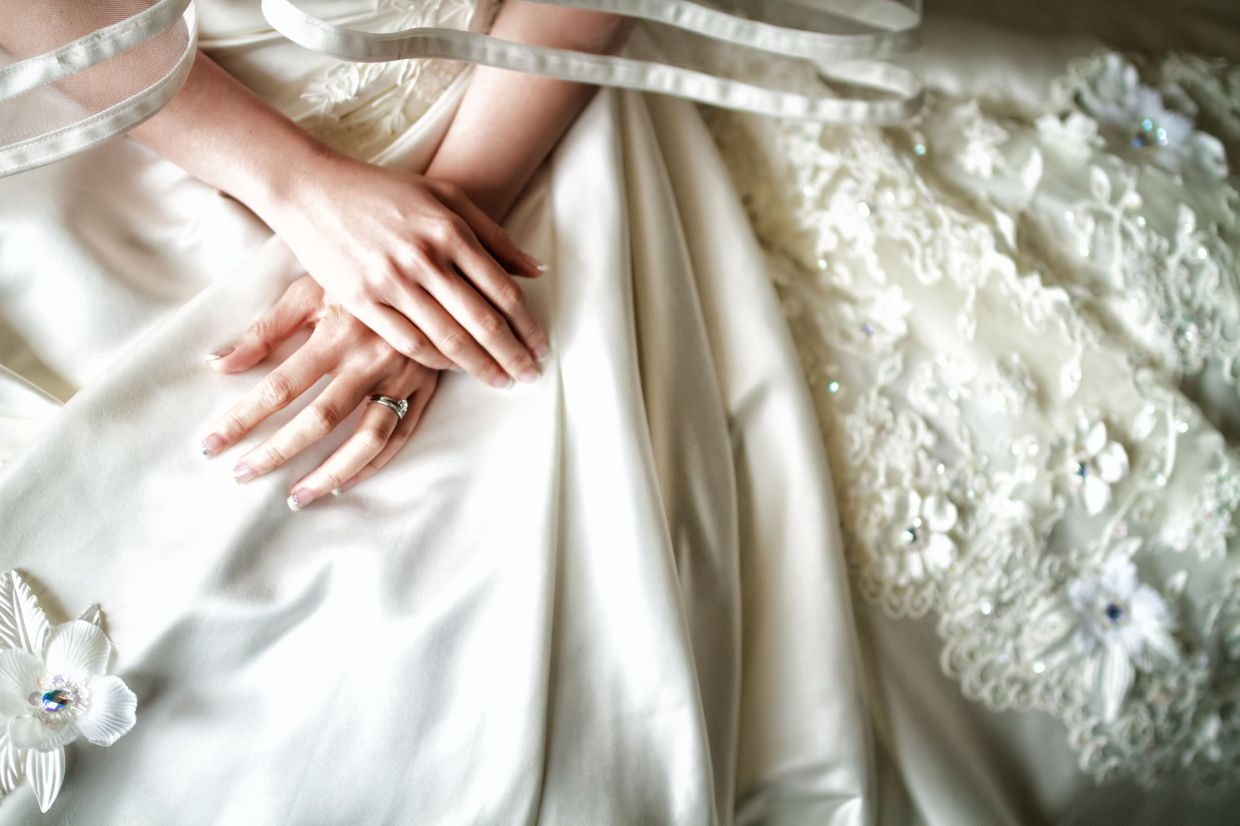
The decision to part with a wedding dress—particularly one inherited from a mother or grandmother—often ranks among fashion's most agonising choices. These garments transcend their material form, functioning as tangible connections to pivotal moments and the women who wore them. For many people, a wedding dress represents far more than fabric and thread; it embodies the emotions, hopes and lived experiences of multiple generations compressed into a single, carefully preserved item.
Clothing serves as a particularly potent psychological anchor to our personal histories. Psychologists and fashion scholars have long recognised that garments carry emotional weight that photographs and written records simply cannot replicate. A wedding dress triggers multisensory memories—the feel of the fabric, the scent preserved in its fibres, the visual recall of a transformative day. When that dress has been worn by multiple family members across decades, it accumulates layers of significance that make disposal feel almost like erasing a piece of family identity. This emotional attachment extends beyond weddings; parents frequently struggle to discard their children's clothing because those items represent irretrievable chapters of life that have already slipped away.
The challenge intensifies when inheritance enters the picture. A mother's wedding gown carries double meaning: it symbolises both her personal life journey and the broader historical context in which she lived. Wearing such a dress creates an intimate connection across generations, yet keeping it indefinitely raises practical questions about storage space and realistic usage. Cameron Silver, a luxury brand consultant and founder of Decades, one of America's pioneering high-end vintage boutiques, has spent years navigating this exact tension with clients. His approach emphasises reflection over pressure, positioning himself more as a therapist than a traditional fashion advisor.
Silver recommends that individuals contemplating the fate of meaningful garments ask themselves three fundamental questions. First: does the dress actually fit? Second: would wearing it again realistically occur, or has life moved beyond that possibility? Third, and perhaps most revealing: would losing the dress trigger genuine distress, or has time already softened its necessity? These seemingly simple queries often illuminate whether the attachment is rooted in ongoing emotional sustenance or in obligation and guilt. The answers frequently point people toward solutions beyond either keeping everything or discarding everything.
One viable approach involves transforming the dress into a new garment. A wedding gown can become a christening gown, a cushion cover, a decorative art piece, or components of a new dress altogether. This transformation preserves the material essence of the original while creating functional newness. However, this approach carries risks—altering the dress fundamentally changes its identity, and something irreplaceable might be lost in translation. The wedding dress's original purpose and power could diminish when repurposed, leaving the wearer with a hybrid object that satisfies neither the need to preserve history nor the desire for contemporary utility.
Donation offers another path, one that extends the dress's story rather than altering it. Organisations like Brides Across America specifically solicit wedding gowns for engaged military personnel and emergency medical workers who might otherwise lack the financial means to purchase their own dresses. This option transforms the dress into an active participant in someone else's important life event. Emily Spivack, who runs workshops on clothing and memory, suggests including a handwritten note about the dress's provenance with any donation. This practice ensures that the next wearer inherits not just the garment but its entire narrative arc, creating an extended family of sorts across generations who might never meet.
For those emotionally unable to part with dresses permanently, documentation offers meaningful middle ground. Spivack facilitates workshops where participants bring significant garments, photograph them, and write detailed stories about their origins and significance. Once documented, many people report feeling psychologically released—they have formally processed the loss and preserved the essential information. This approach converts the ephemeral emotional experience into permanent record that can circulate among family members, ensuring the story survives even if the physical dress eventually finds a new home.
Academic institutions increasingly recognise the value of wedding dresses for scholarly and educational purposes. Universities including Cornell, Smith College, Drexel, and Ohio State have begun systematically acquiring wedding gowns precisely because of their everyday historical significance rather than their artistic or design prestige. Unlike traditional costume collections focused on exceptional textiles or canonical design moments, these university collections treat clothing as teaching objects that illuminate social history, particularly women's experiences. Cornell's Fashion + Textile Collection holds nearly 350 wedding gowns and related accessories among its 11,000 total objects, each representing a unique historical moment and individual choice.
Particularly striking examples reveal how wedding dresses document larger historical narratives. A 1942 gown created by British dressmaker Cylka Berke for her own wartime London wedding exemplifies this phenomenon. Designed to maximise yardage while minimising waste, the dress embodies not only one woman's resourcefulness during rationing but also the broader reality of civilian life under wartime constraints. That Berke crafted it from rayon rather than silk—materials needed for military parachutes, escape maps, and blood chits—demonstrates how deeply geopolitical events infiltrated even intimate, personal decisions. The resulting dress remains remarkably bright white, its colourfulness preserved precisely because of the military demands that shaped its creation.
These educational collections argue implicitly for a broader understanding of what warrants preservation. A working-class woman's wedding dress documents decisions, economic circumstances, and cultural values just as meaningfully as a haute couture creation. By collecting and studying such garments, universities transform them from private family heirlooms into communal resources that illuminate how ordinary people navigated extraordinary circumstances. For individuals wrestling with inheritance decisions, this option offers dignified purpose: the dress becomes an educational artifact that serves future students and researchers, extending its meaningful life far beyond any single family.
Ultimately, the decision about a wedding dress's future should rest on honest self-assessment rather than guilt or obligation. Cameron Silver's therapeutic approach recognises that no single answer suits everyone. Some people genuinely require the dress's physical presence for ongoing emotional sustenance; others find liberation in documented memory and selective donation. What matters is bringing conscious intention to the choice rather than allowing inherited garments to occupy closet space indefinitely, neither actively worn nor deliberately honoured. Whether through alteration, donation, documentation, or institutional preservation, the goal remains identical: ensuring that the dress's story and the emotions it carries receive appropriate recognition before its material chapter concludes.

