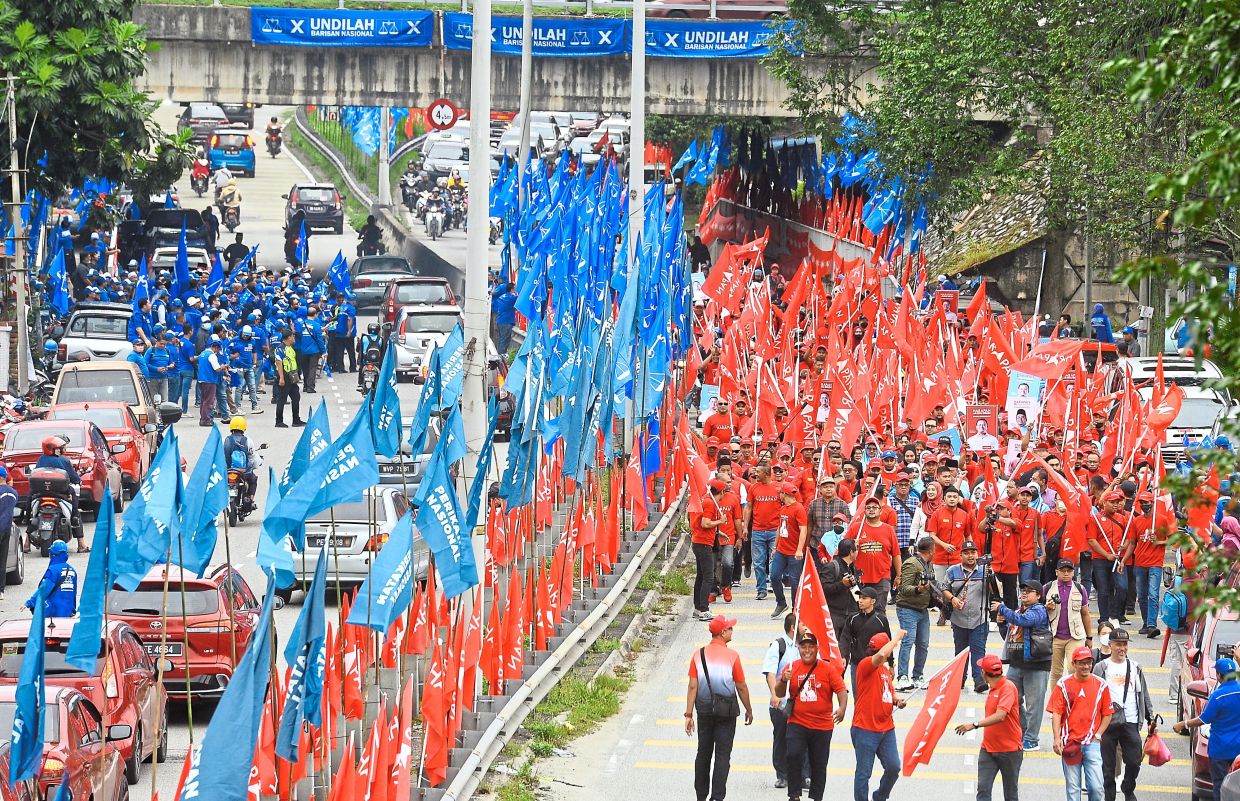
The approaching state elections in Johor and Negri Sembilan in 2026 promise to be emotionally taxing not just for politicians seeking office, but for the broader Malaysian electorate. For candidates awaiting nomination decisions, the uncertainty creates genuine psychological strain as they contemplate whether their party will endorse their candidacy. Those already nominated face the distinct fear of electoral defeat, a prospect that carries particular weight for incumbent officeholders or leaders with established track records. The stakes extend beyond losing an election—they encompass potential damage to personal reputation, family security, and carefully constructed long-term political careers. This emotional intensity creates a peculiar form of distress that intensifies throughout the campaign period, often manifesting in poor sleep, chronic fatigue, and heightened irritability among those in the political arena.
The psychological burden on candidates is amplified by an uncontrolled information ecosystem. Social media platforms have become breeding grounds for unverified accusations and sensationalised stories targeting candidates, contributing substantially to the mental distress experienced by those contesting elections. Despite these daunting pressures, Malaysian politicians have historically demonstrated remarkable resilience, continuing to campaign vigorously and maintain public engagement even when circumstances appear unfavourable. This capacity to perform under extreme stress appears to be a defining characteristic of the political class in Malaysia, distinguishing them from many other professions.
Yet the emotional upheaval extends well beyond those directly contesting elections. Voters themselves experience significant stress as they contemplate upcoming ballots, driven by concerns about how electoral outcomes might reshape their lives and broader societal conditions. The constant barrage of media coverage, workplace debates, and online discussions about electoral outcomes creates an environment of persistent political noise that infiltrates nearly every aspect of daily life. For many Malaysians, the combination of concern about policy direction and uncertainty about results generates measurable anxiety in the weeks leading up to polling day.
The contemporary Malaysian political landscape has become notably more complex, with an expanding array of political parties offering competing ideologies and frequently shifting coalition arrangements. This fragmentation leaves voters struggling to navigate confusing electoral permutations and novel strategic alliances among contesting groups. Traditional voter behaviour patterns have become less predictable, forcing citizens to invest greater mental energy in evaluating electoral choices. The proliferation of political options, while theoretically enhancing democratic choice, paradoxically increases decision-making stress for voters already disturbed by the general political climate.
As political identity becomes increasingly intertwined with personal identity, electoral disagreements assume a more personal dimension. When voters perceive political differences as reflections of fundamental personal values rather than pragmatic policy disagreements, the resulting animosity intensifies considerably. This psychological fusion of politics with identity transforms election campaigns into emotionally charged battlegrounds where political opponents feel less like competing candidates and more like personal adversaries. The consequence is heightened interpersonal tension, particularly among family members and workplace colleagues with differing political allegiances.
The psychological research on electoral stress reveals concerning patterns of mental health deterioration during election periods. Election anxiety functions similarly to other forms of chronic stress, triggering activation of the autonomic nervous system and prompting elevated release of adrenaline and cortisol—the body's primary stress hormones. Excessive adrenaline elevation increases cardiovascular risk, particularly the likelihood of heart attack and stroke among vulnerable individuals. Elevated cortisol levels produce cascading physiological consequences: elevated blood sugar, compromised immune function, and vasoconstriction that impairs healthy circulation. These aren't merely psychological discomforts but measurable biological changes that impact physical wellbeing.
Beyond these hormonal mechanisms, electoral stress affects the amygdala—paired almond-shaped brain structures governing sensory processing, memory formation, emotional regulation, and decision-making capacity. During periods of heightened stress, the amygdala can respond in disproportionately irrational ways, distorting judgment and amplifying fear responses. For voters experiencing election anxiety, this neurological reality means their decision-making processes may become compromised precisely when considered judgment is most needed. International evidence supports the prevalence of election-related mental health impacts. Research by the British Association for Counselling and Psychotherapy documented that during Britain's 2019 general elections, one in three people reported negative mental health consequences stemming from uncertainty about potential government policy shifts. Similarly, an American survey conducted a year before the 2024 presidential elections found that 56 per cent of American adults identified elections as a significant source of stress in their lives.
Malaysia lacks comparable robust empirical studies examining election anxiety specifically, yet the underlying psychological mechanisms operate identically across cultural contexts. The documented international patterns suggest that Malaysian voters and politicians likely experience comparable stress responses during electoral periods. One particularly distinctive aspect of Malaysian electoral culture, however, is its apparent capacity for rapid emotional recovery. Once voting concludes and results become finalised, the campaign's bitterness and negativity typically dissipate remarkably quickly. Political rivals who demonstrated considerable hostility during campaigns often appear to reconcile with genuine warmth once ballots are counted, suggesting that Malaysian political culture maintains certain civilisational restraints that prevent lasting personal ruptures between opponents.
The capacity to compartmentalise electoral competition from personal relationships represents a significant psychological adaptation that appears relatively unique to the Malaysian context. While campaign periods generate substantial negativity amplified by media channels and social platforms, this resentment rarely persists into the post-electoral period with the intensity witnessed in some other democracies. This psychological flexibility may serve as a protective factor, limiting the long-term mental health damage that might otherwise accumulate from intense electoral competition. Nevertheless, the immediate period leading up to polling day remains genuinely challenging for psychological wellbeing across the electorate.
Individual personality characteristics and accumulated historical experiences substantially influence how people psychologically navigate electoral seasons. Past political disappointments, previous experiences with electoral outcomes, and fundamental personality traits all shape both emotional responses to campaigns and voting behaviour. Citizens typically demonstrate genuine enthusiasm for participating in elections, motivated by emotions including civic consciousness and gratitude toward candidates they favour. Many registered voters approach ballot casting after extended periods of deliberation regarding policies, political ideologies, and candidate qualifications, suggesting that despite the stress, thoughtful engagement with electoral choices remains a significant feature of Malaysian political behaviour.

