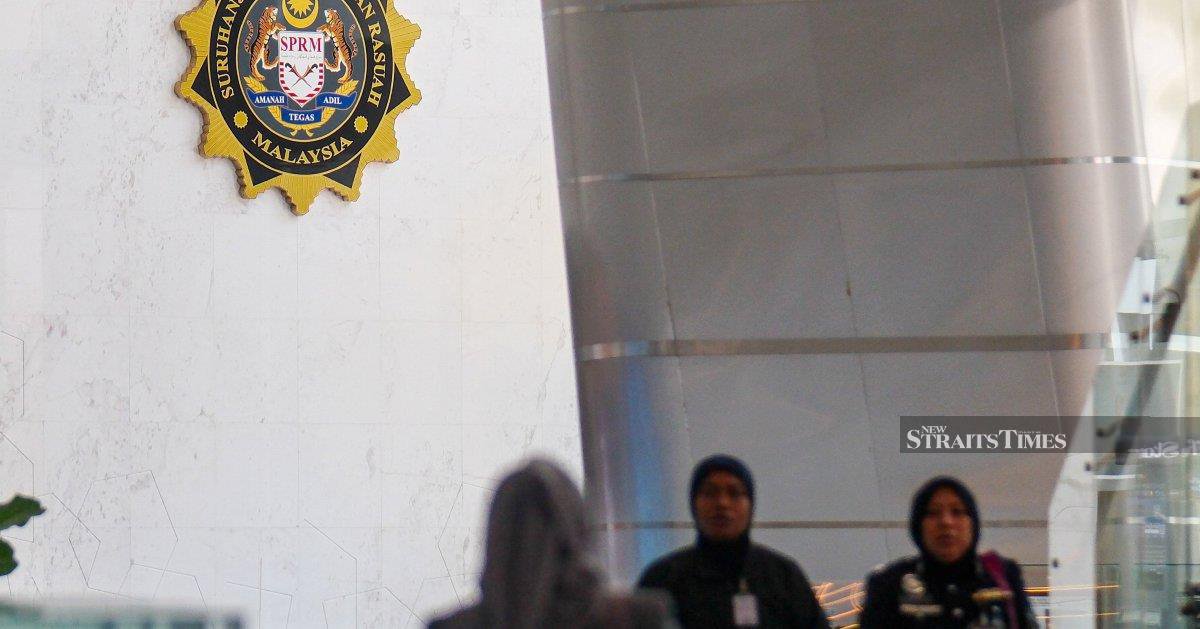
The Malaysian Anti-Corruption Commission announced fresh arrests on Tuesday in its expanding investigation into alleged misconduct uncovered by the Royal Commission of Inquiry into Tabung Haji, Malaysia's pilgrimage savings fund. Three individuals have been detained following inquiries related to the misappropriation of approximately RM450,000 through Notice of Penalty charges, marking another development in what has become a significant graft probe affecting the fund's administration.
These latest arrests represent an escalation in the MACC's scrutiny of the Tabung Haji matter, which has already drawn considerable public attention given the institution's crucial role in facilitating pilgrimage funding for hundreds of thousands of Malaysian Muslims annually. The RCI's findings have exposed serious governance lapses within the fund's management, prompting regulatory authorities to pursue both administrative and criminal accountability. The arrest warrant system and coordinated investigation protocols deployed by the MACC underscore the seriousness with which enforcement agencies are treating the case.
The Notice of Penalty mechanism that forms the crux of this investigation relates to financial penalties or charges that should have been properly documented and accounted for within Tabung Haji's treasury operations. When RM450,000 in such notices went unaccounted for or were improperly diverted, it suggested deliberate mishandling rather than administrative error. For Malaysian readers familiar with the institution, such revelations represent a betrayal of trust, as Tabung Haji serves not merely as a financial intermediary but as a custodian of religious obligation funds for ordinary citizens planning their Hajj pilgrimage.
The expansion of enforcement action indicates that investigators are following investigative threads that connect multiple individuals to the alleged scheme. Each arrest typically signals that the MACC has gathered sufficient circumstantial or direct evidence linking individuals to the broader pattern of misconduct. The staggered nature of the arrests—with previous arrests followed by these additional three—suggests that the investigation has proceeded methodically, with authorities building their case across different levels or aspects of the alleged misappropriation.
For Tabung Haji contributors and the broader public, these developments carry immediate implications. The fund's reputation has suffered considerably from the RCI revelations, and ongoing criminal prosecutions may further delay comprehensive institutional reforms. Trust in the management of pilgrim savings depends not only on structural changes but also on demonstrable accountability through the criminal justice system. The MACC's persistence in pursuing these cases sends an important signal that even significant officials or officers managing public funds cannot evade consequences for misconduct.
The RCI itself had identified systemic weaknesses in Tabung Haji's internal controls, financial reporting mechanisms, and oversight procedures that permitted irregularities to flourish. The current criminal investigation narrows the focus to specific individuals allegedly responsible for these breaches. By holding personal accountability alongside institutional reforms, authorities aim to prevent similar abuses in the future. The RM450,000 figure, while substantial, may represent only a fraction of total losses suffered by the fund during the period under investigation.
Froma regional perspective, the Tabung Haji matter reflects broader governance challenges affecting Southeast Asian financial institutions managing public resources. The case demonstrates how institutional weaknesses can persist when internal audit, board oversight, and regulatory supervision operate in silos. For other Muslim-majority nations in the region managing pilgrimage funds or similar social financial instruments, Malaysia's experience offers cautionary lessons about the necessity of genuine independence in oversight mechanisms and the importance of prosecuting misconduct vigorously.
The MACC's enforcement activity also highlights the commission's operational capacity to pursue complex financial crime investigations involving multiple defendants and institutional structures. Such investigations demand forensic accounting expertise, coordination across agencies, and sustained investigative effort over extended periods. The continued expansion of the Tabung Haji probe demonstrates the MACC's commitment to seeing high-profile cases through to conclusion, notwithstanding the complexity and resource requirements involved.
As these prosecutions proceed through Malaysia's court system, the outcomes will likely establish important precedents for how financial crimes involving institutional misappropriation are addressed. If convictions result, sentencing decisions will signal the judiciary's view on the seriousness of breaching public trust. For Tabung Haji specifically, these legal processes run in parallel with ongoing institutional restructuring aimed at preventing future misconduct. Management changes, financial oversight enhancements, and governance reforms introduced since the RCI report seek to address systemic vulnerabilities that the criminal prosecutions address at the individual level.
The three arrests announced represent another step in what has become an extended accountability process for Tabung Haji. As investigations continue and more details emerge through court proceedings, Malaysian pilgrims and contributors will be watching closely to understand precisely what went wrong and whether the institution can be sufficiently reformed to warrant renewed confidence in its stewardship of pilgrimage funds.

