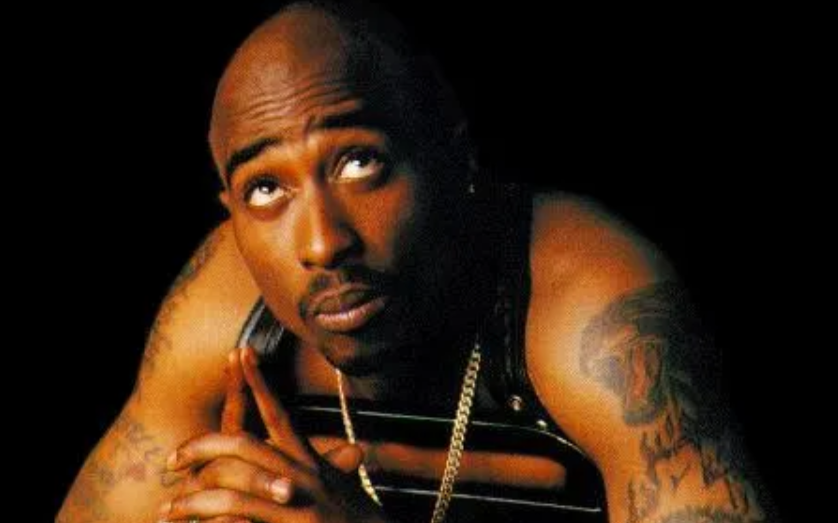
Three decades have passed since rapper Tupac Shakur was fatally shot in a Las Vegas drive-by on September 7, 1996, yet the case that captivated millions remains etched in popular memory as one of America's most notorious unsolved murders. This week, that chapter entered a new phase when jury selection commenced in the trial of Duane "Keffe D" Davis, a 63-year-old former gang leader accused of orchestrating Shakur's killing. The proceedings represent a watershed moment for hip-hop history and the criminal justice system alike, offering the possibility of finally bringing closure—or at least accountability—to a crime that has haunted the music industry for an entire generation.
The trial, anticipated to run for approximately one month, centres on prosecutors' allegation that Davis, once a leader of the South Side Compton Crips, orchestrated the murder and supplied the weapon used in the attack. Davis appeared in court wearing a light-blue shirt and blue tie, facing a sentence of life imprisonment without parole should he be convicted. The proceedings opened with jury selection, a process expected to extend through the week as attorneys seek jurors capable of fairly adjudicating a case so deeply embedded in cultural memory and public fascination.
Shakur's death at age 25 claimed one of hip-hop's most influential voices at the height of an East Coast versus West Coast rivalry that defined the genre throughout the 1990s. The conflict pitted Death Row Records, founded by Marion "Suge" Knight, against Bad Boy Records, the New York label helmed by Sean "Diddy" Combs and featuring The Notorious B.I.G., Christopher Wallace, who himself would be murdered in March 1997. This territorial and artistic divide became increasingly violent, with various gang affiliations aligning themselves with the competing record labels. Death Row benefited from protection by Mob Piru, a Los Angeles gang within the broader Bloods network, while Bad Boy Records retained the South Side Compton Crips as bodyguards—the very gang Davis led.
The immediate context of the shooting involved a chain of events stemming from confrontation at the MGM Grand casino following a Mike Tyson boxing match. According to prosecutors' narrative, Knight and Shakur attacked Davis's nephew, Orlando "Baby Lane" Anderson, a Crips member, in retaliation for an alleged assault on a Death Row employee. This retaliatory strike became the catalyst for what would follow. Hours later that same evening, a white Cadillac pulled alongside Shakur's vehicle on a Las Vegas street, and gunfire erupted, leaving the 25-year-old rapper mortally wounded and launching decades of speculation about the identity of the actual shooter.
For nearly three decades, the investigation languished without sufficient evidence to charge anyone, becoming the type of cold case that generates endless debate within music fan communities and criminal justice circles alike. The breakthrough came unexpectedly through Davis's own memoir, published in 2019, in which he admitted to being present in the Cadillac's front seat and claimed to have handed a pistol to occupants in the rear seat. Crucially, Davis stopped short of naming who actually fired the fatal shots. His candid admissions aligned with earlier remarks he had made to journalists, creating a historical record that contradicted his later protestations of innocence.
The memoir's revelations proved consequential for Davis's legal standing. In September 2023, authorities arrested him based partly on his own documented admissions, bringing charges for a crime that had seemed permanently beyond prosecution's reach. Davis's arrest shocked observers familiar with the case, as the statute of limitations had nearly expired and investigators had long considered the matter virtually impossible to resolve. Yet the combination of his published confessions and police interviews created sufficient legal grounds for authorities to proceed with criminal charges.
Davis has since executed a dramatic reversal of his previous positions. During a March 2025 interview conducted from prison with ABC News, he denied participation and claimed innocence, asserting that prosecutors possessed no evidence linking him to Las Vegas that night. He further contended that he was in Los Angeles when the shooting occurred and suggested that his co-author had fabricated sensational details in the memoir to boost sales, claiming he had merely provided biographical information without reviewing the final manuscript. This about-face represents a significant legal tactic, attempting to disassociate himself from his own published words by portraying them as distortions created by another author.
In pretrial proceedings, Davis's legal representatives sought unsuccessfully to exclude the memoir and his 2008 police interview from evidence at trial. The defence clearly recognised that these materials constitute potentially devastating testimony against their client, as they establish prior admissions difficult to explain away through claims of fabrication or misunderstanding. Prosecutors view these same materials as crucial to establishing Davis's knowledge of and involvement in the crime, regardless of whether they can definitively prove he pulled the trigger. The tension between Davis's various public statements forms the core of the evidentiary dispute.
A complicating factor for the prosecution involves the death of other Cadillac occupants. Every other individual present in the vehicle that fateful night has since passed away, meaning potential witnesses or accomplices cannot testify to clarify the sequence of events or identify the shooter. This absence of living witnesses creates prosecutorial challenges in proving precisely who fired the shots that killed Shakur, even if they successfully establish Davis's role in ordering and facilitating the killing. The trial thus may not provide complete clarity regarding the shooter's identity, despite potentially holding Davis criminally responsible through conspiracy and felony murder statutes.
The trial's opening arrives amid ongoing family efforts to seek accountability beyond the criminal justice system. In May, Shakur's stepbrother Maurice Shakur filed a wrongful death lawsuit in civil court, stating in the complaint that individuals involved in the rapper's murder "have not been held accountable for their crimes" across the past three decades. This civil action reflects persistent doubts within Shakur's family that even a successful prosecution of Davis would fully address the circumstances surrounding the killing or identify all parties responsible.
For Malaysian and Southeast Asian observers, the Shakur case illuminates how high-profile crimes become intertwined with cultural history and how justice systems struggle to prosecute major incidents when years or decades elapse before charges emerge. The trial also underscores gang violence's role in American urban crime and the complex relationship between organised crime, entertainment industry disputes, and personal vendettas. The case demonstrates how memoir publications and media confessions can unexpectedly reanimate cold cases, creating legal vulnerabilities for subjects who speak openly about controversial matters years after the fact.

