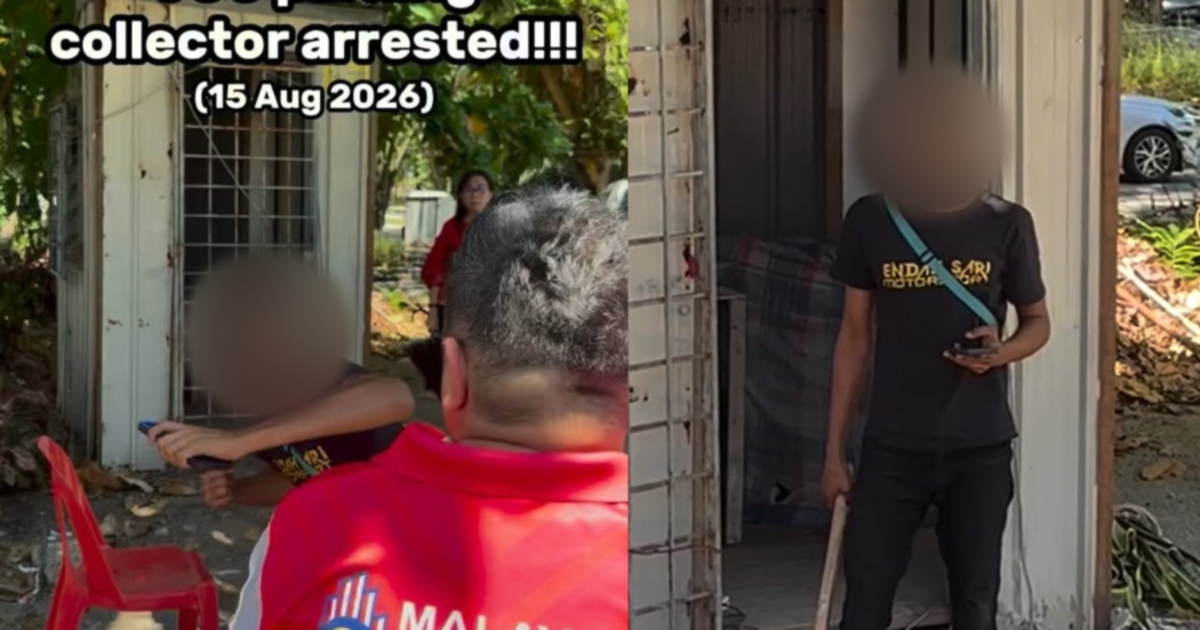
Authorities in Kuala Lumpur have apprehended three men following an incident in which a 38-year-old woman was allegedly assaulted after objecting to an illegal parking collection scheme operating in the OUG residential area. The altercation, which involved physical violence and intimidation, has drawn attention to persistent problems with unauthorized fee-collection activities in the established neighbourhood, where such schemes appear to operate with relative impunity.
The woman's decision to confront the individuals collecting unauthorised parking fees reflects growing frustration among residents dealing with what amounts to an informal extortion racket. Rather than paying legitimate fees through official channels, residents of OUG have been subjected to demands for cash by men who claim authority they do not possess. When the victim challenged this arrangement, the situation escalated rapidly into violence, suggesting that those running the operation are willing to use force to maintain their control over the neighbourhood's parking arrangements.
Illegal parking fee schemes represent a significant nuisance across Malaysian residential and commercial areas, exploiting the gap between inadequate official enforcement and residents' genuine need for parking solutions. Operators of such rackets rely on ambiguity and fear, banking on the assumption that most people will simply pay rather than risk confrontation. The use of physical violence in this case indicates an escalation in the tactics employed to silence opposition and ensure compliance from the community.
The police response, involving the arrest of all three men, marks a decisive intervention against this form of organized harassment. Authorities appear to be treating the matter seriously, recognizing that such schemes undermine both public safety and the rule of law. The fact that charges have been brought suggests that investigators have gathered sufficient evidence to proceed, though the outcome of legal proceedings remains to be determined.
For residents of OUG and similar neighbourhoods throughout Kuala Lumpur and the greater Klang Valley, this incident highlights the vulnerability of established communities to exploitation by individuals operating outside the law. Many such areas lack formal parking management systems, creating the conditions in which unofficial operators flourish. The woman's willingness to stand up against the scheme, despite the personal risk, underscores the frustration many feel about their inability to access safe neighbourhoods free from such intimidation.
The incident also raises broader questions about community security and the effectiveness of neighbourhood watch initiatives. Official residential management committees, where they exist, often struggle to maintain order when informal power structures—backed by the threat of violence—take hold in their areas. The presence of such schemes suggests that neither residents nor local authorities have effectively asserted control over the parking situation.
Police investigations into this matter may well uncover the full extent of the illegal parking operation, including how long it has been running, how much money has been collected, and whether the three arrested men were acting independently or as part of a larger organized network. Understanding the structure of such schemes is essential for preventing their recurrence and deterring similar operations elsewhere.
The response from the police department sends an important message to both potential victims and would-be perpetrators. While the legal process unfolds, residents should be aware that reporting such activities, despite the personal risk, can lead to intervention by law enforcement. At the same time, potential operators of similar schemes now face a concrete demonstration that authorities are prepared to act when made aware of such activities.
Officials responsible for residential security in Kuala Lumpur would do well to examine whether more systematic approaches to parking management and community safety could prevent the emergence of such schemes. This might involve clearer communication about legitimate parking arrangements, regular police patrols in problem areas, and community engagement initiatives to identify and report unauthorized activities.
The incident also reflects a broader pattern of informal economies and shadow operations that persist in urban Malaysia despite official regulations. When formal systems fail to provide clear solutions, residents and opportunistic operators alike create informal alternatives. The challenge for authorities lies in making legitimate systems more accessible and transparent while making it clear that unauthorized alternatives will face legal consequences.
As the case against the three arrested men proceeds through the courts, the community in OUG will likely be watching closely for signs that such schemes can be effectively eliminated. The outcome may well influence how residents in other areas respond to similar situations, either encouraging them to stand up against such operations or, conversely, reinforcing the belief that resistance is futile and resistance futile. The importance of this case therefore extends well beyond the immediate incident, potentially shaping the future security landscape of residential neighbourhoods across the city.

