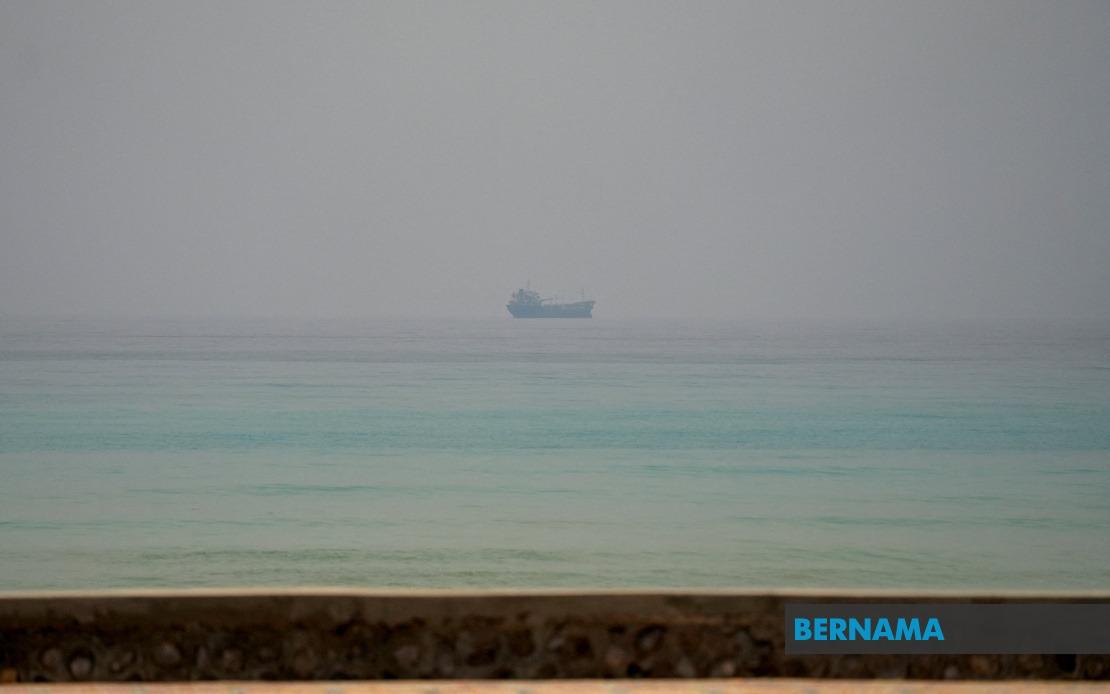
The maritime security situation in the Arabian Sea deteriorated sharply on Tuesday when three separate attacks targeted commercial oil tankers operating in waters off Oman's coastline, prompting urgent rescue operations and reigniting concerns about freedom of navigation in one of the world's most critical energy corridors. According to Oman's Maritime Security Centre, the coordinated nature of the strikes across multiple vessels within a compressed timeframe suggests a deliberate campaign rather than isolated incidents, raising alarm bells across the shipping industry and among regional governments already on edge over geopolitical competition in the Persian Gulf region.
The first incident involved the Stolt Magnesium, which was targeted approximately 40 nautical miles from South Al Sharqiyah Governorate in international waters beyond Oman's territorial jurisdiction. The strike ignited a fire within the vessel's engine compartment, creating an immediate threat to the 23-person crew aboard. A nearby merchant vessel responded swiftly to the emergency, successfully evacuating all personnel before the situation could escalate further. The Maritime Security Centre confirmed that despite the severity of the incident, all crew members were accounted for and reported to be in satisfactory condition following their rescue.
Two additional attacks occurred in closer proximity to Oman's established maritime boundaries, adding to the gravity of the unfolding crisis. The Mombasa B suffered a direct strike approximately 8.5 nautical miles off Musandam Governorate, which resulted in catastrophic loss of propulsion systems and left the vessel immobilised and vulnerable. The crew complement of 21 sailors faced immediate danger as the disabled tanker drifted, unable to manoeuvre or respond to developing threats. A cooperating vessel dispatched to the scene successfully evacuated the entire crew, though six individuals sustained injuries of differing degrees of severity requiring medical attention. Meanwhile, the Royal Navy of Oman maintained a monitoring presence to assess ongoing threats in the area.
The third and most serious attack befell the Al Bahyah, which was struck approximately 9.6 nautical miles from Musandam Governorate. The direct hit triggered a major emergency response involving Royal Navy assets deployed immediately to the scene. Of the 18 crew members aboard, all were successfully evacuated to safety. However, three seafarers remain unaccounted for, prompting intensive search and rescue operations that are expected to continue in the coming hours and days. The missing personnel represent a significant humanitarian concern and underscore the life-threatening nature of these attacks.
The Al Bahyah and Mombasa B are operated by ADNOC Logistics & Services, the commercial maritime division of Abu Dhabi National Oil Company, one of the Gulf region's major petroleum infrastructure organisations. The company issued a formal statement confirming that both vessels had been struck by projectiles whilst navigating through the Strait of Hormuz, effectively weaponising the world's most important oil transit chokepoint. ADNOC reported that the attacks resulted in at least one fatality among the crew, contradicting initial casualty figures and underscoring the humanitarian cost of the escalating conflict. Several additional personnel sustained injuries, complicating the emergency response across three separate maritime incidents unfolding simultaneously.
These developments represent a dramatic acceleration of tensions between the United States and Iran over control of the Strait of Hormuz, one of the most strategically significant waterways in global commerce. Approximately one-third of all seaborne traded petroleum passes through this narrow corridor between Oman and Iran, making any disruption to shipping operations a matter of immediate international concern. The pattern of attacks on commercial vessels suggests a deliberate strategy to destabilise the energy market and impose costs on parties viewed as hostile by the attacking side, though official responsibility remains contested.
For Malaysia and other Southeast Asian nations heavily dependent on stable energy supplies and unimpeded maritime trade routes, these incidents carry profound implications. Malaysian importers of crude oil and petroleum products face potential price volatility and supply chain disruption should the security situation in the Strait of Hormuz continue to deteriorate. The region's shipping companies and insurance providers confront escalating costs and risks when transiting these waters, ultimately affecting the price of goods throughout Asia.
Oman's Foreign Ministry responded to the crisis by issuing a carefully calibrated statement emphasising the imperative to respect established international maritime law, restore unencumbered freedom of navigation, and guarantee the safe passage of commercial shipping through this strategically vital waterway. The diplomatic language reflects Oman's delicate position as a relatively neutral actor attempting to maintain constructive relationships with both Western powers and Iran whilst serving as an important transit nation for regional commerce.
The frequency and sophistication of these attacks suggest that previous warnings issued by international maritime authorities have not deterred the perpetrators or adequately protected vessels transiting the region. Shipping companies now face critical decisions about whether to route vessels through the Strait of Hormuz or seek alternative, longer routes around Africa, both options presenting substantial cost and logistical implications. The cumulative effect of ongoing maritime insecurity threatens to reshape global energy flows and impose significant economic costs across multiple regions dependent on Gulf petroleum supplies.

