A tragic electrocution incident at a Beaufort police facility claimed the lives of three Royal Malaysia Police officers, who were repatriated to their home states following post-mortem examinations at Queen Elizabeth Hospital. The three personnel—Corporal Mohamad Nur Hafiz Ibrahim, Constable Muhammad Raimi Ismarubee, and Corporal Chiu Teck Siong—came into contact with live electrical current outside the Weston Police Station in Beaufort at 5.50 pm on August 6, resulting in their deaths. The incident has prompted concerns about workplace safety standards and electrical hazard protocols within police facilities across the country.
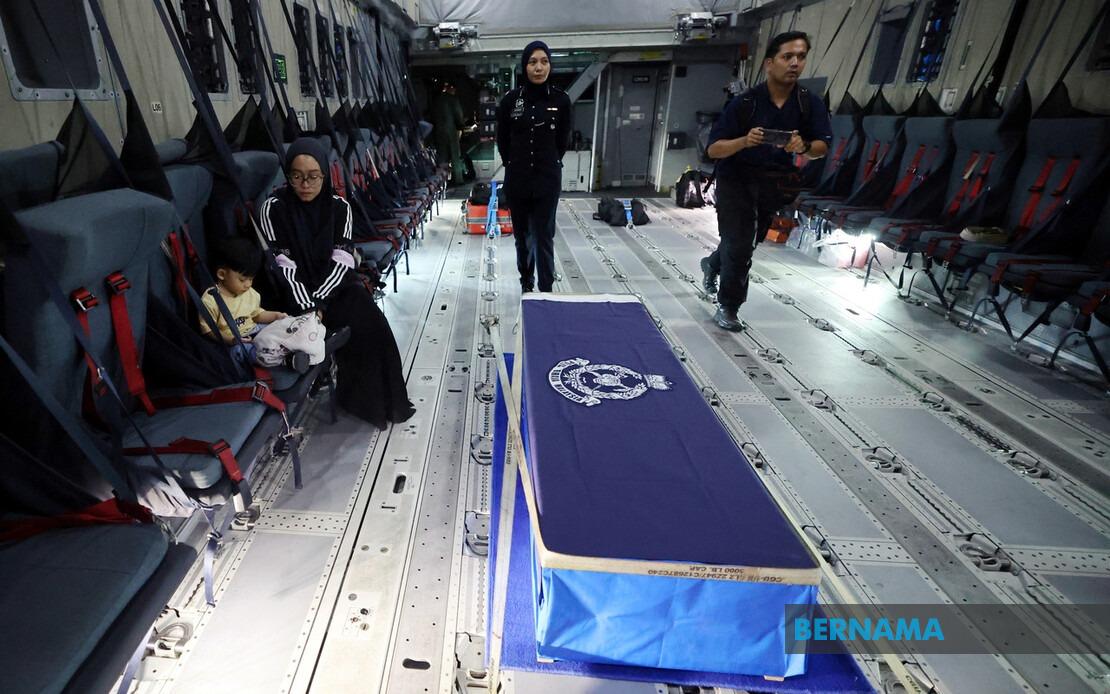
The repatriation operation reflected the gravity with which authorities treated the tragedy, with military and police aircraft mobilised to transport the deceased officers. Forensic examinations were completed by noon on August 7, and the bodies were released from Queen Elizabeth Hospital's Forensics Department approximately three hours later. The coordinated effort between the Royal Malaysian Air Force and the Royal Malaysia Police Air Operations Force underscored the scale of the incident and its significance within law enforcement circles.
Corporal Mohamad Nur Hafiz Ibrahim, aged 29 and originally from Kelantan, was flown eastward along with Constable Muhammad Raimi Ismarubee, 26, from Terengganu. An RMAF aircraft departed Kota Kinabalu International Airport at 7.10 pm, first heading to the RMAF Air Base in Kuantan before proceeding to the RMAF Air Base in Gong Kedak in Terengganu. The routing reflected the geographical spread of the victims' origins across peninsular Malaysia and the need to coordinate with multiple military installations.
Corporal Chiu Teck Siong, 40, who hailed from Sarawak, required separate arrangements for his journey home. His body was transferred to the Royal Malaysia Police Air Operations Force base in Kota Kinabalu before being transported via police aircraft to Sarawak. This arrangement highlighted the additional logistical complexity involved in repatriating personnel across state boundaries and to East Malaysia, where civilian airport facilities may have different protocols and availability.
The electrocution incident outside a police station premises raises critical questions about electrical infrastructure maintenance and safety protocols within law enforcement facilities nationwide. Police stations, like all government buildings, are required to comply with electrical safety standards outlined in the Electrical Installation Code of Malaysia and other relevant regulations. The incident suggests that either maintenance procedures were inadequate, warning systems were absent or malfunctioning, or personnel were insufficiently trained in recognising electrical hazards in their working environment.
Such workplace fatalities within the police force carry broader implications for occupational safety across the entire civil service. The Royal Malaysia Police, as Malaysia's primary law enforcement agency, operates thousands of facilities nationwide. Any systemic deficiency in electrical safety management could expose thousands of officers and civilian staff to similar risks. This incident will likely trigger immediate safety audits across police premises to identify and rectify potential hazards before additional tragedies occur.
The loss of three officers also impacts police operational capacity, particularly in Sabah where the incident occurred. Beaufort, a district in the southwestern part of Sabah, depends on the local police contingent to maintain law and order. The sudden loss of three personnel will strain resources and may necessitate reassignments from other stations or temporarily reduced patrol capacity in the area. Senior police management will need to address staffing gaps while conducting a thorough investigation into what precisely caused the fatal electrical contact.
For the three officers' families and colleagues, the incident represents a profound tragedy. Line-of-duty deaths, particularly those resulting from workplace hazards rather than criminal action, raise particular poignancy within police communities. The circumstances suggest the deaths were preventable through proper maintenance, signage, and training—factors that families and grieving colleagues may scrutinise closely. The police force will face pressure to explain how such a hazard existed and what measures are being implemented to prevent recurrence.
The incident also carries implications for public safety infrastructure assessment more broadly across Malaysia. If a government facility as secure and regulated as a police station can develop dangerous electrical conditions, this raises questions about maintenance standards in other public buildings frequented by Malaysian citizens. Schools, hospitals, government offices, and transport hubs all contain electrical systems requiring vigilant oversight. This tragedy should serve as a catalyst for comprehensive safety reviews across the public sector to ensure that preventable workplace hazards are systematically identified and eliminated.
Investigations into the precise cause of the electrocution will likely examine whether the officers made contact with exposed wiring, damaged electrical equipment, or improperly grounded apparatus. Beaufort is located in a tropical region with high humidity and occasional flooding, factors that can accelerate electrical equipment degradation if not properly maintained. Understanding the specific cause will be essential for developing targeted remediation measures and ensuring that similar conditions do not exist elsewhere within police facilities or other government premises.
The Royal Malaysia Police leadership will need to communicate transparently about findings from the investigation and the corrective actions being implemented. Public confidence in police facilities depends partly on assurance that officers work in safe environments. The agency's response to this incident—both in terms of investigation thoroughness and safety remediation—will set the tone for how seriously occupational safety is taken within the force. This incident may ultimately lead to revised electrical safety protocols, enhanced training requirements, and stricter maintenance schedules across all police installations nationwide.

