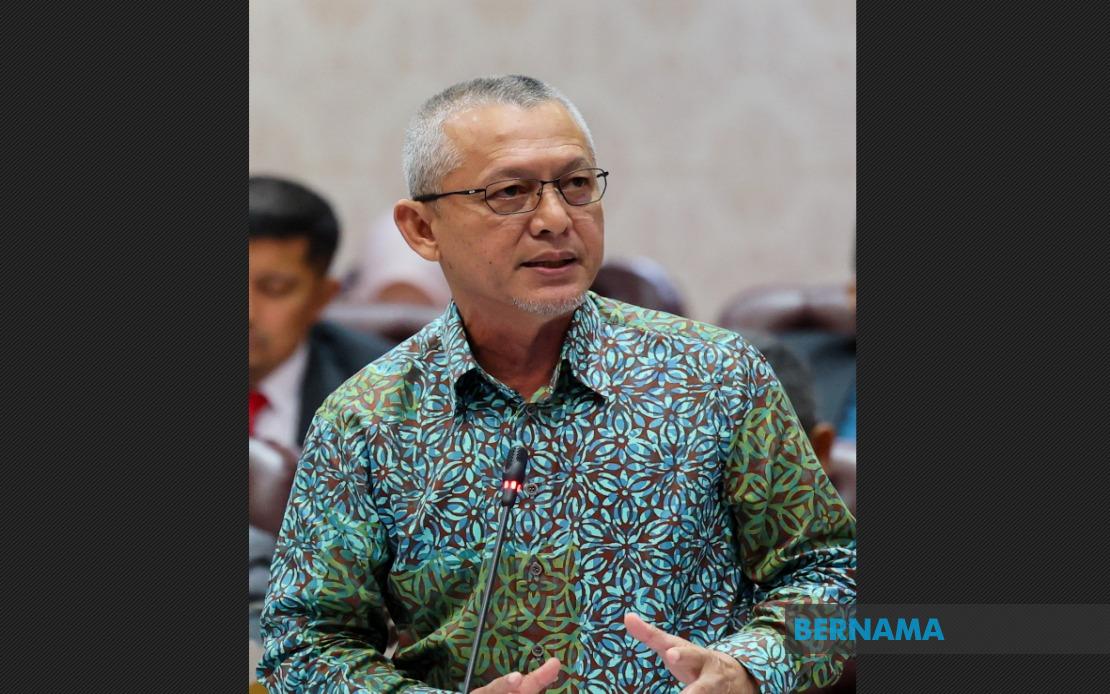
A significant reshuffle has taken place within Terengganu's Parti Pribumi Bersatu Malaysia structure, as the state party chief Datuk Razali Idris announced his departure from leadership alongside two other senior figures in the state wing. The trio's simultaneous exits signal potential discontent within the Bersatu apparatus at the state level, though they have characterised their moves as administrative in nature.
Razali Idris formally submitted his resignation letter as Terengganu Bersatu chief to party president Tan Sri Muhyiddin Yassin on July 16, according to statements made on August 7. In his capacity as a Terengganu State Executive Council member, Razali maintains a distinct political position separate from his party roles, creating complexity around his continued influence in the state administration. The timing of his departure—with nearly three weeks elapsing between the submission and public announcement—suggests either a deliberate pause for reflection or an attempt to manage the narrative around his exit.
What distinguishes this situation is the apparent lack of formal acknowledgement from Bersatu's central leadership. Razali noted that despite sending his resignation to the party president, he has received neither confirmation of receipt nor a formal decision regarding acceptance or rejection. This bureaucratic limbo raises questions about the coherence of party procedures and whether the leadership is genuinely engaged with grassroots concerns within state chapters. The absence of swift response from Muhyiddin's office could reflect broader organisational challenges or simply indicate that party management has deprioritised Terengganu matters.
Razali indicated plans to resign additionally as the Marang Bersatu division chief by mid-August, though he requested a temporary delay to complete outstanding administrative responsibilities. This staged approach to his exit suggests an effort to ensure continuity in his current duties rather than create operational disruption. The deliberate pacing of his resignations demonstrates a degree of professionalism and concern for institutional stability, even as he disengages from party leadership.
Two other Terengganu assemblymen have joined Razali in stepping down from state party positions. Telemong state assemblyman Mohd Zawawi Ismail has relinquished his role as Terengganu State Bersatu information chief, whilst Hulu Besut assemblyman Mohd Husaimi Hussin has surrendered the position of State Bersatu treasurer. Both confirmed their resignations to Bernama and indicated they would formally notify the central party leadership of their departures from state executive roles.
The synchronized nature of these resignations across different geographic constituencies and portfolio areas suggests a coordinated decision rather than isolated individual choices. Whether this represents a planned transition, a protest against current party direction, or simply a natural rotation remains unclear. The fact that all three individuals are elected representatives—whether state executive council members or assemblymen—means their decisions carry weight beyond internal party mechanics.
Crucially, all three figures have explicitly stated they remain committed to Bersatu as party members, withdrawing only from state-level leadership positions. This distinction is significant because it prevents their departures from being characterised as defections or acts of disloyalty to the party itself. By maintaining their membership whilst resigning from leadership roles, they preserve options for future engagement whilst signalling dissatisfaction with current arrangements at the state level. This approach is more politically nuanced than outright exit would be.
For Malaysian politics more broadly, developments within Terengganu Bersatu warrant attention given the party's role in the current political coalition. Bersatu emerged as a pivotal player in national politics following Muhyiddin's formation of the party and subsequent governments. The party's trajectory in states like Terengganu indicates whether it can maintain organisational coherence and member satisfaction across multiple administrative tiers. State-level resignations, even when characterised as administrative, frequently foreshadow deeper tensions.
The silence from central party headquarters is itself noteworthy. In well-organised political movements, responses to resignations from state-level officials typically occur within days. The absence of acknowledgement suggests either that Bersatu headquarters is overwhelmed with competing priorities at the national level, or that state management has become a lower priority. Either scenario raises questions about party effectiveness and capacity for managing internal relationships.
Terengganu's political dynamics have historically been competitive, with power shifting between different factions and alliances. Any weakening of party structures in the state could create opportunities for rival parties to consolidate influence or for disaffected members to explore alternative political homes. The three resignations therefore occur within a broader context of factional competition and coalition dynamics that characterise Malaysian politics at state level.
The implications for Muhyiddin's leadership merit consideration. A Bersatu president receiving resignations from state leaders without responding promptly suggests potential difficulties in exerting firm control over the party apparatus. In Malaysian politics, where individual leaders often command loyalty networks, the health of the party structure depends on clear communication from the centre and demonstrated responsiveness to member concerns. This situation highlights potential management challenges.
Moving forward, the Terengganu chapter will require new leadership for these vacant positions. How the party selects successors—whether through promotion of younger figures or through bringing in outside talent—will indicate Bersatu's strategic direction in the state. The appointment process will also reveal whether the party takes the resignations seriously as signals requiring organisational reflection or treats them as routine administrative matters requiring only replacement of personnel.

