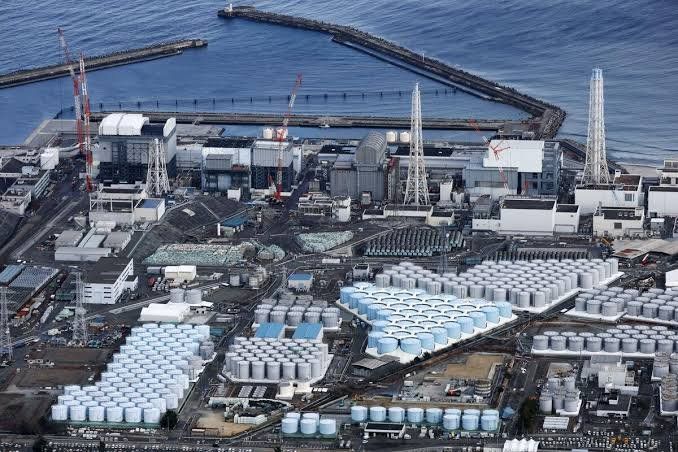
Tokyo Electric Power Company Holdings Inc. reached a significant milestone this month when it concluded its third consecutive year of releasing processed radioactive water from the damaged Fukushima nuclear facility into the Pacific Ocean. Since beginning operations on August 24, 2023, the utility has successfully discharged approximately 172,700 tonnes across 22 separate releases, marking steady progress toward its long-term decommissioning objectives. The scale of this undertaking reflects the ongoing challenge Japan faces in managing the aftereffects of the 2011 earthquake and tsunami disaster, which crippled the plant and created an unprecedented situation requiring international oversight and domestic consensus.
The reduction in stored water represents tangible progress in tackling one of the nuclear industry's most complex environmental challenges. Tank storage has declined by 7.6 percent to approximately 1.24 million tonnes, a meaningful decrease considering the facility continues generating roughly 60 tonnes of radioactive wastewater daily as a byproduct of cooling melted reactor fuel. TEPCO has already dismantled 17 of roughly 1,000 storage tanks following their successful emptying, demonstrating that the long-term strategy is operationally feasible. These developments are crucial for executing the company's broader plan to eventually construct facilities capable of removing melted fuel debris from reactor cores—work that cannot proceed without significantly reducing the massive volume of stored water occupying valuable space within the containment area.
The technical process underpinning these releases involves multiple safeguard layers designed to meet stringent international and domestic safety requirements. Water from storage tanks passes through an advanced liquid processing system that removes radioactive elements, after which it is diluted with seawater to achieve concentrations representing just one-fortieth of Japan's permissible safety thresholds. Each batch, typically containing approximately 7,800 tonnes, is transferred progressively through measurement tanks where technicians confirm contamination levels before final discharge occurs one kilometre offshore. The International Atomic Energy Agency, working alongside Japan's regulatory bodies and TEPCO, continuously monitors these operations, and according to reporting, no abnormal tritium levels have been detected in surrounding waters or locally harvested seafood—a critical finding that helps validate the safety protocols in place.
Operational tempo has gradually intensified since the programme's inception. During the 2023 fiscal year, TEPCO conducted four separate discharge events; this accelerated to seven releases each in 2024 and 2025. The company implemented procedural modifications permitting continuous transfers between holding and release tanks, enabling eight scheduled discharges for the current 2026 fiscal year, of which four have already concluded. This acceleration reflects growing confidence in the system's reliability and a desire to progress toward the decommissioning timeline. TEPCO anticipates completing all water releases by 2051, coinciding with the planned full decommissioning of the facility. This decades-long trajectory underscores the magnitude of remediation efforts required following catastrophic nuclear accidents.
However, the initiative has generated significant international tension and economic consequences that extend far beyond Japan's shores. China, previously Japan's primary market for marine exports, implemented a sweeping import ban commencing the very day releases began in August 2023. Though Chinese authorities indicated in June 2024 that they would relax restrictions to exclude only ten prefectures—including Fukushima itself—they have effectively maintained a comprehensive import freeze. Diplomatic friction compounds these trade obstacles, with tensions escalating following Prime Minister Sanae Takaichi's November comments implying Japan might intervene militarily if a Taiwan crisis materializes. Russia similarly imposed restrictions, and import bans persist across various other nations and territories, creating a complex and fragmented international trade environment for Japanese seafood producers.
The economic toll on affected industries has necessitated substantial compensation programmes. As of early August, TEPCO had processed approximately 1,100 compensation claims totalling roughly 92.8 billion yen—approximately US$585 million—to businesses documenting measurable losses attributable to the water releases. Many claimants operate in the shellfish export sector, particularly those specializing in scallops and sea cucumbers destined for Chinese and Hong Kong markets. This compensation reflects TEPCO's acceptance of liability for business disruption caused by the release programme, though debate continues regarding whether financial settlements adequately address the long-term viability of regional fishing communities and exporters facing sustained market access restrictions.
For Southeast Asian observers and policymakers, the Fukushima situation carries several important implications. The region's proximity to Japan and growing trade relationships mean that any expansion of international restrictions could affect regional supply chains and agricultural exports flowing through Japanese channels. Additionally, the technological frameworks TEPCO developed for water treatment and monitoring represent potential models for other nations managing industrial contamination, particularly given Southeast Asia's expanding nuclear sector. Malaysia and neighbouring countries exploring civilian nuclear capacity can draw instructional value from both the engineering solutions and the governance structures—including IAEA involvement—that govern this major environmental remediation effort.
TEPCO leadership has publicly committed to transparency and continued dialogue with stakeholders. Akira Ono, the company's chief decommissioning officer, stated during recent press briefings that the utility has successfully executed releases under rigorous safety protocols while acknowledging the necessity of sustained communication with affected communities and ongoing financial support for businesses experiencing documented losses. This balancing act between technical competence, stakeholder management, and international relations represents the central challenge facing Japanese nuclear authorities as they navigate a politically sensitive process spanning several more decades.
The broader context of Japan's energy strategy adds further complexity to the Fukushima releases. As the nation transitions toward achieving carbon neutrality and reducing fossil fuel dependence, nuclear power remains central to long-term planning despite the 2011 disaster's profound impact on public opinion. Successfully managing the Fukushima cleanup while maintaining rigorous safety standards thus carries implications extending beyond environmental remediation to encompass Japan's entire energy future. The water release programme, though technically sound and internationally monitored, remains a lightning rod for regional sensitivities and demonstrates how industrial accidents generate consequences spanning decades, transcending borders, and intersecting with contemporary geopolitical tensions.

