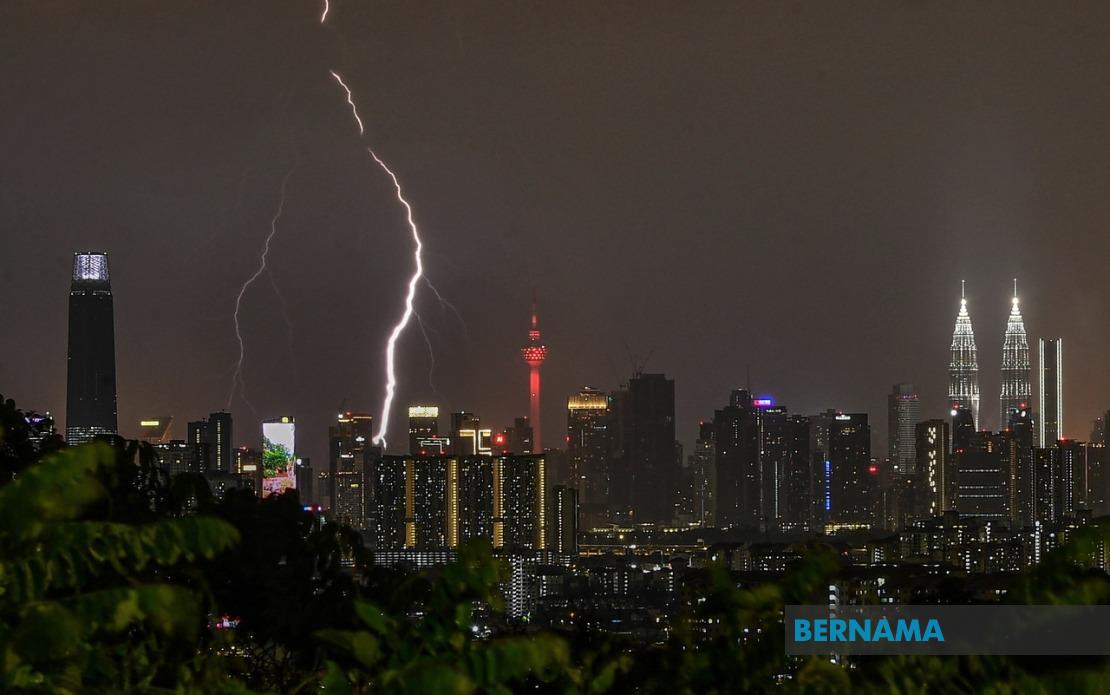
The Malaysian Meteorological Department has put out an alert for severe weather conditions spanning much of Peninsular Malaysia, with thunderstorms and heavy rainfall expected to batter the Klang Valley and eight other states until 5 pm today. The department issued the warning at 2 pm, cautioning residents and commuters to exercise heightened caution as atmospheric instability brings potentially hazardous conditions across multiple regions.
The alert encompasses all of Melaka and Penang, two major economic and population centres where disruptions to daily activities are likely. In Penang, a state heavily reliant on tourism and port operations, the sudden weather could impact both commerce and public safety. Melaka, similarly dependent on shipping and commercial activity, faces potential disruptions as heavy rain and strong gusts sweep across the state.
In Kedah, the northern state sees warnings focused on five districts: Kuala Muda, Sik, Baling, Kulim and Bandar Baharu. These areas, which encompass both agricultural zones and residential communities, may experience localised flooding and transport delays as drainage systems handle the sudden influx of water.
Perak faces an extensive warning across fifteen distinct areas, making it one of the hardest-hit regions. The affected zones—Kerian, Larut, Matang and Selama, Hulu Perak, Kuala Kangsar, Kinta, Kampar, Batang Padang and Muallim—represent both the industrial heartland and rural stretches of the state. The tin-mining heritage areas and modern industrial zones alike could face operational challenges as heavy downpours combine with gusty winds.
Pahang's east coast districts are included in the warning, with Cameron Highlands, Lipis, Raub, Bentong, Pekan and Rompin all at risk. The highland areas, particularly Cameron Highlands, are susceptible to flash flooding and landslides during intense rainfall events, making this alert especially significant for residents and agricultural operators in those elevations.
The Klang Valley metropolitan area—often the economic engine of the country—sees warnings apply to seven Selangor districts: Sabak Bernam, Kuala Selangor, Hulu Selangor, Klang, Gombak, Petaling and Hulu Langat. This concentration of warnings across the greater Kuala Lumpur region carries implications for one of Southeast Asia's most developed urban zones, where transport networks, business operations and millions of residents could be affected by sudden weather deterioration.
Negeri Sembilan contributes Jelebu district to the alert zone, while Johor's southern expanse sees six districts under warning: Tangkak, Segamat, Muar, Batu Pahat, Kluang and Mersing. This geographical spread underscores how the weather system is affecting diverse terrain, from coastal Mersing to inland industrial areas, and from agricultural districts to urban centres.
The combination of thunderstorms, heavy rain and strong winds presents a multi-faceted hazard. Lightning strikes during thunderstorms pose direct danger to people and infrastructure, while heavy rainfall can overwhelm drainage systems, particularly in areas with older stormwater management infrastructure. Strong winds can topple trees, damage structures and create hazardous conditions for outdoor activities and maritime operations. The simultaneous occurrence of all three elements significantly elevates the risk profile across the affected regions.
MetMalaysia has advised the public to remain vigilant and to stay updated with the department's latest forecasts, noting that weather conditions remain fluid and subject to rapid change. This guidance emphasises the dynamic nature of tropical weather systems, which can intensify, shift or dissipate with relatively little warning. Residents and business operators in the affected zones should take this seriously, securing loose outdoor items, avoiding unnecessary travel and monitoring official updates.
For Malaysian and Southeast Asian readers, such weather alerts reflect the challenges of tropical climate management in densely populated regions. The peninsula's monsoon patterns and inter-monsoon periods regularly generate such systems, yet urbanisation and infrastructure development have sometimes outpaced drainage and flood-mitigation capacity. Events like this underscore the importance of robust early-warning systems, proper urban planning and community preparedness in minimising economic loss and protecting lives across the region's major centres.

