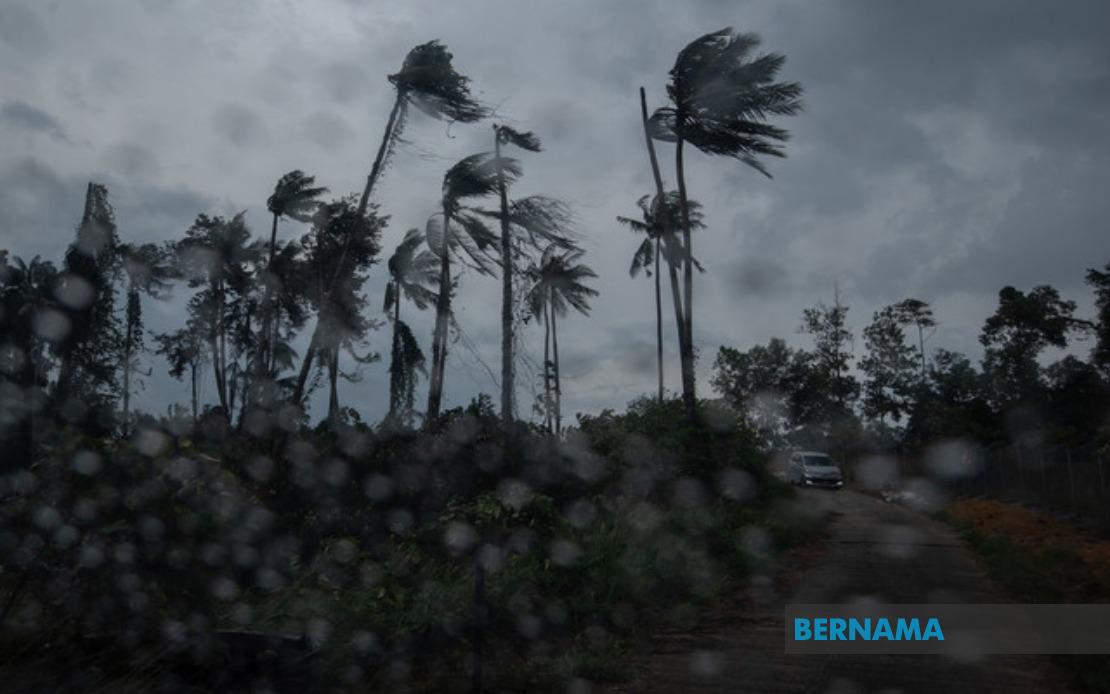
The Malaysian Meteorological Department issued a widespread alert on July 26, notifying the public of dangerous weather conditions expected to persist across numerous regions until 6 pm. Thunderstorms, torrential rain and powerful gusts present immediate hazards to communities throughout the country, prompting authorities to advise residents to take necessary precautions during the afternoon hours.
In Peninsular Malaysia's northern tier, Langkawi in Kedah faces the brunt of the incoming system. Across Perak, six zones have been placed under alert: Kinta, Perak Tengah, Kampar, Hilir Perak, Batang Padang and Muallim. The east coast state of Kelantan experiences particularly extensive coverage, with nine separate districts flagged—Tumpat, Pasir Mas, Kota Bharu, Jeli, Tanah Merah, Bachok, Machang, Pasir Puteh and Kuala Krai—reflecting the region's vulnerability to monsoon-related weather patterns.
Terengganu's coastal and central areas also fall within the warning zone, encompassing Besut, Setiu, Kuala Nerus and Kemaman. These communities, strategically positioned along the eastern seaboard, frequently experience intense precipitation during weather systems affecting the northeast monsoon corridor. The alert reflects MetMalaysia's assessment of heightened risk in these localities during the specified timeframe.
Pahang, Malaysia's largest state, sees substantial portions affected by the forecast. Nine districts require precautionary measures: Cameron Highlands, Lipis, Raub, Bentong, Temerloh, Kuantan, Bera, Pekan and Rompin. The diversity of these areas—from highland regions to riverside settlements—underscores the geographic reach of the incoming weather system. In neighbouring Selangor, the Klang Valley's western expanses, specifically Hulu Selangor and Gombak, have been designated as concern areas.
Southern Peninsular Malaysia also features prominently in the alert. Negeri Sembilan's Jempol and Tampin districts face potential disruption, while Johor's southern and eastern extremities—Tangkak, Segamat, Kluang, Mersing and Kota Tinggi—remain vulnerable to severe atmospheric conditions. These diverse districts, spanning from inland agricultural zones to tourism-dependent coastal areas, require heightened vigilance.
Beyond the peninsula, East Malaysia experiences similarly widespread alerts. Sabah's interior regions, including Sipitang, Tenom, Beaufort, Keningau and Tambunan, sit on high alert, as do the state's heavily populated west coast areas of Papar, Putatan, Penampang, Kota Kinabalu and Tuaran. The inclusion of Lahad Datu and Kinabatangan extends the warning across Sabah's entire spectrum, from commercial centres to remote communities.
Sarawak's alert encompasses multiple divisions. Tatau and Sebauh in Bintulu division, Subis in Miri division, and Limbang represent scattered but significant population centres across the state. The geographic dispersal of affected zones suggests a system of considerable magnitude and broad atmospheric influence.
Thunderstorms and heavy rainfall present considerable challenges for affected communities. Motorists navigating major highways face reduced visibility and treacherous road conditions. Residents in flood-prone lowlands must remain cognisant of potential inundation, particularly in river valleys and areas with inadequate drainage infrastructure. Strong winds accompanying the system may damage structures, down power lines and create hazardous conditions for outdoor activities. Schools and businesses operating in the afternoon may experience disruptions.
The MetMalaysia alert serves as crucial public guidance during a period of heightened atmospheric instability. Residents are advised to remain indoors when possible, secure loose outdoor items, avoid travelling across flooded areas or under unstable structures, and monitor official weather updates. The six-hour window provides manageable opportunity for communities to implement protective measures and inform vulnerable populations including children, elderly residents and those with health conditions of necessary precautions.
This comprehensive warning demonstrates MetMalaysia's commitment to public safety and disaster preparedness. By identifying specific affected districts rather than issuing blanket national alerts, authorities enable targeted community response. The specificity allows local governments, emergency services and businesses to deploy resources efficiently and coordinate neighbourhood preparedness efforts.
Residents across the warned zones should anticipate potential service disruptions including traffic congestion, flight delays or cancellations, temporary power outages, and possible school closures or activity postponements. Essential services including hospitals and emergency response units remain operationalised to address weather-related incidents. The meteorological authority continues monitoring atmospheric conditions and may issue updated advisories should circumstances evolve, with residents encouraged to maintain awareness through official channels and trusted news sources.

