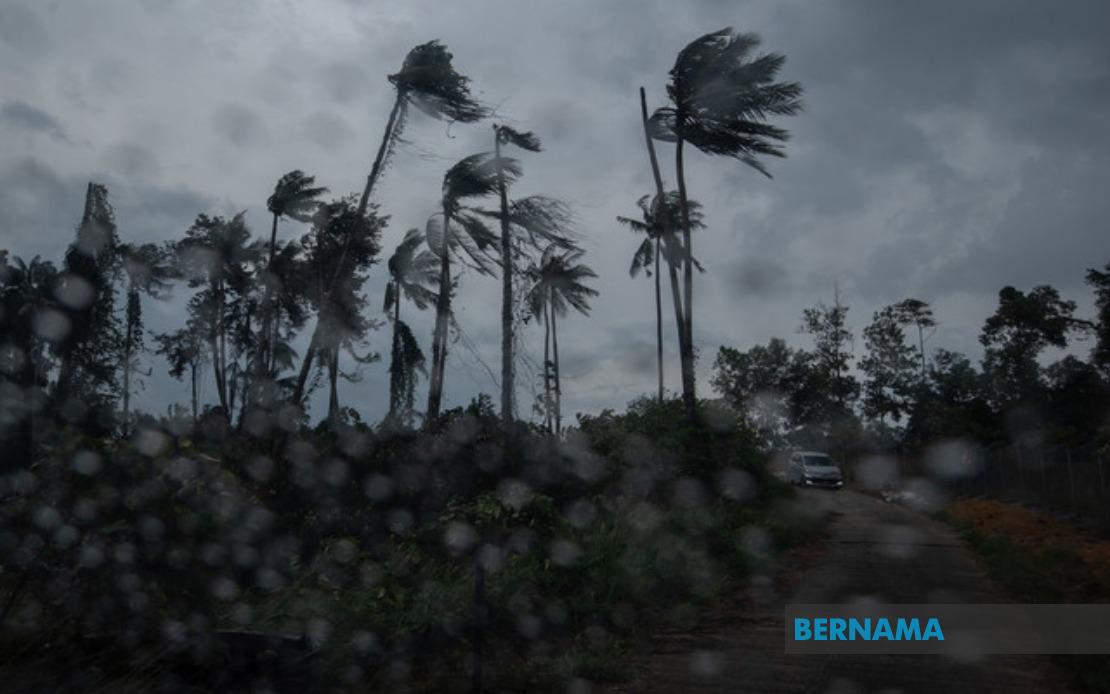
Severe weather is set to impact a significant swathe of Malaysia on Friday, with the Malaysian Meteorological Department issuing an alert early this morning for thunderstorms, heavy rainfall and gusty conditions across multiple states. The alert, issued at 8:35 am, forecasts unsettled conditions persisting until 1pm, affecting both populated urban centres and rural areas that could face potential disruption to daily activities.
On the Peninsular side, the warning encompasses the entirety of Perlis and Melaka, two states that may experience particularly intense weather throughout the morning hours. The northern state of Kedah faces threats across three key administrative divisions: Langkawi, the popular island tourist destination; Kubang Pasu, an agricultural and residential area; and Kota Setar, the state capital, where disruptions to commerce and transport could have wider economic ripples.
Eastern Peninsular Malaysia is similarly affected, with three districts in Pahang—Kuantan, Pekan and Jerantut—all falling within the warning zone. These areas, which experience monsoon influences and frequent afternoon convection, may see intensified rainfall that could potentially affect low-lying communities and transportation networks. The Klang Valley region, home to Malaysia's largest metropolitan area, is also in the warning zone, with both Sepang and Kuala Langat in Selangor identified as at-risk localities. The presence of Sepang, which hosts the Formula 1 circuit and numerous manufacturing facilities, suggests the economic implications of such disruptions warrant attention from both public and private sectors.
In central Malaysia, Negeri Sembilan faces broad exposure, with Port Dickson, the state's maritime gateway, alongside Seremban, Rembau, Kuala Pilah and Tampin all included in the alert. Port Dickson's coastal position makes it particularly vulnerable to weather-related disruptions, given its role in maritime trade and tourism. Johor's southern districts of Tangkak and Muar round out the Peninsular coverage, completing a weather pattern that demonstrates the widespread nature of the expected atmospheric disturbance.
Sarawak's eastern regions experience a parallel threat, with nine separate divisions identified in the alert zone. The affected areas of Mukah, Selangau, Sibu, Sarikei, Maradong, Bintulu, Kapit, Bukit Mabong and Subis span both coastal and inland Sarawak, suggesting a weather system of considerable geographical extent. Sibu, as Sarawak's second-largest city and a major commercial hub, would likely experience measurable disruption to business and transportation should the forecast materialise as anticipated.
MetMalaysia's classification of this advisory as a short-term warning underscores the relatively sudden nature of the threat, with validity limited to a six-hour window for each successive update. This constraint reflects the inherent difficulty in forecasting severe convective weather with precision beyond several hours, a challenge particularly acute in tropical maritime environments where atmospheric instability can develop and dissipate rapidly. Residents and businesses in affected areas receive the benefit of a structured warning system, allowing for preparation and precautionary measures to be implemented within the narrow timeframe available.
The temporal specificity of the alert—valid until 1pm—suggests the system is expected to weaken or move away from these regions during the early afternoon period, though the unpredictability of tropical weather means conditions could persist longer in localised areas. Strong winds accompanying the thunderstorms represent a secondary hazard beyond rainfall, potentially causing structural damage to temporary structures, disrupting utilities and creating hazardous conditions for outdoor activities and transportation. The combination of three concurrent weather elements—electrical activity, precipitation and wind—necessitates public vigilance during the warning period.
For Malaysian residents and workers, such alerts serve as important cues to defer non-essential outdoor activities, secure loose outdoor items, and exercise caution during commutes. Tropical thunderstorms, whilst common in Malaysia's climate, occasionally produce extreme rainfall that overwhelms drainage systems and causes flash flooding in susceptible localities. Authorities in the affected states typically monitor weather conditions closely during such alerts, pre-positioning emergency response resources and maintaining heightened readiness to address any arising incidents.
The spatial distribution of the warning across both coasts of Peninsular Malaysia, combined with coverage of Sarawak, indicates a substantial atmospheric disturbance capable of affecting millions of Malaysians simultaneously. Such widespread alerts, whilst routine during Malaysia's monsoon seasons, reflect the meteorological department's commitment to providing timely public information that enables risk reduction and informed decision-making. The six-hour validity window for each advisory means further updates throughout the morning will refine the forecast, potentially expanding or contracting the affected area based on the system's actual trajectory and intensity.

