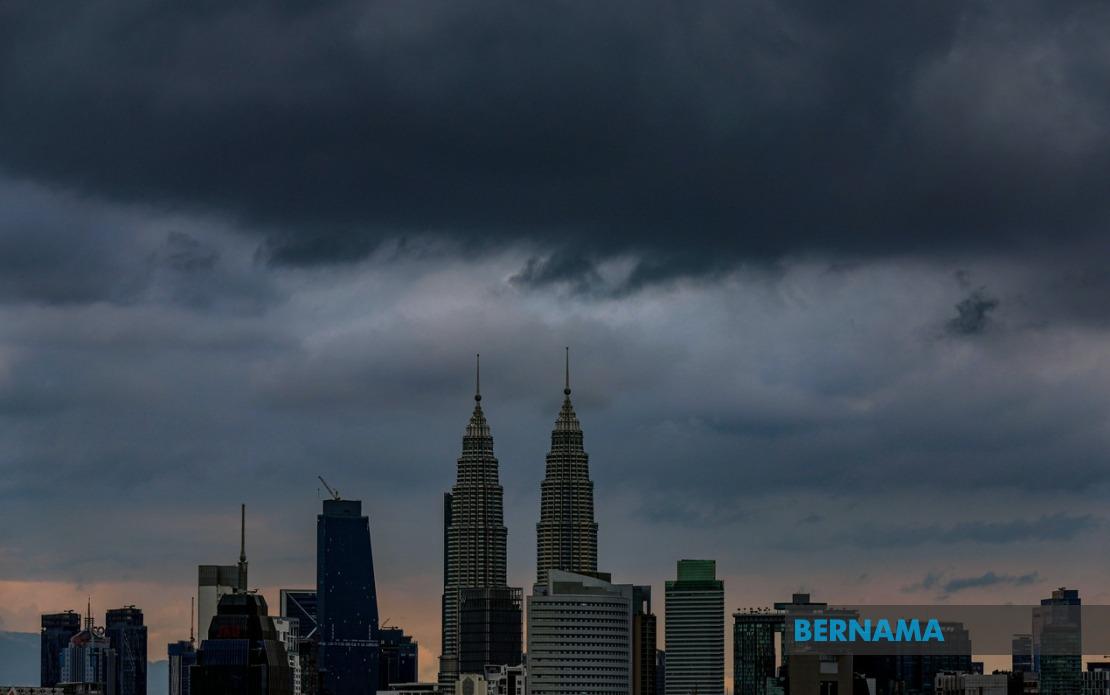
The Malaysian Meteorological Department has issued an urgent weather alert for Kuala Lumpur and Putrajaya, alongside ten states across the peninsula and East Malaysia, warning residents to prepare for severe thunderstorms, intense rainfall and dangerous wind gusts expected to persist until 7 pm today.
The warning encompasses a broad swathe of the country's densely populated and economically important regions. In northern Peninsular Malaysia, the alert covers the entirety of Perlis and Penang, while Kedah faces exposure in specific districts including Langkawi, Kubang Pasu, Padang Terap, Kuala Muda and Kulim. Perak residents in Hulu Perak, Kuala Kangsar, Manjung, Kinta, Perak Tengah, Kampar and Bagan Datuk have been cautioned to seek shelter and avoid unnecessary outdoor activities during the anticipated weather system.
The northeastern corridor has equally come under MetMalaysia's meteorological scrutiny. In Kelantan, Gua Musang district faces the brunt of the forecast adverse conditions, whilst Terengganu's exposure extends across Besut, Setiu, Kuala Nerus, Hulu Terengganu and Dungun. These areas, critical to the region's agricultural and fishing economies, may experience disruptions to transportation and commercial activities should the predicted heaviness materialise as warned.
The central region is not spared from this meteorological onslaught. Within Pahang, Cameron Highlands, Raub, Bentong and Rompin have been included in the alert, while Selangor's sprawling metropolitan zones and surrounding districts—Hulu Selangor, Gombak, Petaling, Kuala Langat, Hulu Langat and Sepang—face significant exposure. The inclusion of these high-population areas underscores the potential for widespread disruption to daily life, traffic conditions and business operations in Malaysia's economic heartland.
East Malaysian territories have received comparable attention from the meteorological authorities. In Sarawak, the warning blankets numerous divisions and constituencies: Bau and Kuching within Kuching Division, Serian, Samarahan, Sri Aman, Betong, Sarikei, Selangau in Sibu Division, Mukah, Song and Kapit in Kapit Division, Tatau in Bintulu Division, and Subis and Miri in Miri Division. This extensive geographical scope reflects the unpredictability of monsoon patterns affecting Borneo's weather systems.
Sabah's interior and coastal districts remain equally vulnerable. The Interior Division divisions of Keningau and Tambunan, West Coast Division's Ranau, and the Sandakan Division's Telupid, Kinabatangan, Beluran and Sandakan have all been flagged for potential severe weather impacts. These regions, often characterised by challenging terrain and limited alternative transportation routes, may face particular vulnerability should heavy rainfall trigger flash flooding or landslides.
The issuance of such widespread alerts reflects MetMalaysia's assessment of atmospheric conditions conducive to the development of vigorous thunderstorm complexes. The simultaneous occurrence of heavy precipitation, thunder activity and powerful winds creates a composite hazard profile that poses risks across multiple domains—from aviation disruptions and electrical system stress to increased accident probabilities on roadways and potential structural damage to poorly secured buildings.
Those residing or working within the affected zones are strongly advised to exercise heightened caution during the warning period. Motorists should anticipate reduced visibility and slippery road conditions, whilst commuters relying on public transportation systems should prepare for possible service delays or cancellations. Households in flood-prone localities are encouraged to monitor water levels and prepare evacuation plans, particularly given that the central valley regions experience recurring flooding during intense rainfall episodes.
The temporal specificity of the alert—extending only until 7 pm—suggests MetMalaysia's forecast models indicate the convective system will weaken or drift away from the peninsula and East Malaysian landmasses during the evening hours. However, residents and authorities should remain vigilant, as tropical weather systems frequently develop with rapid intensity changes that can challenge predictive accuracy, particularly at the neighbourhood scale.
Emergency management agencies across the affected states have likely activated contingency protocols in preparation for potential flooding, landslides and public safety incidents. Utility companies may preposition maintenance crews to address potential power disruptions resulting from lightning strikes or fallen vegetation on transmission infrastructure. Healthcare facilities in high-risk flood zones typically implement preparedness measures to ensure operational continuity should inundation occur.
This weather warning arrives amidst the monsoon transition period when Malaysia's skies become increasingly volatile. The convergence of multiple weather systems and the region's complex topography create environments where localised intense rainfall frequently exceeds climatological expectations. Communities in historically vulnerable areas should treat such alerts with appropriate seriousness, as meteorological forecasting remains inherently uncertain despite sophisticated modelling capabilities.

