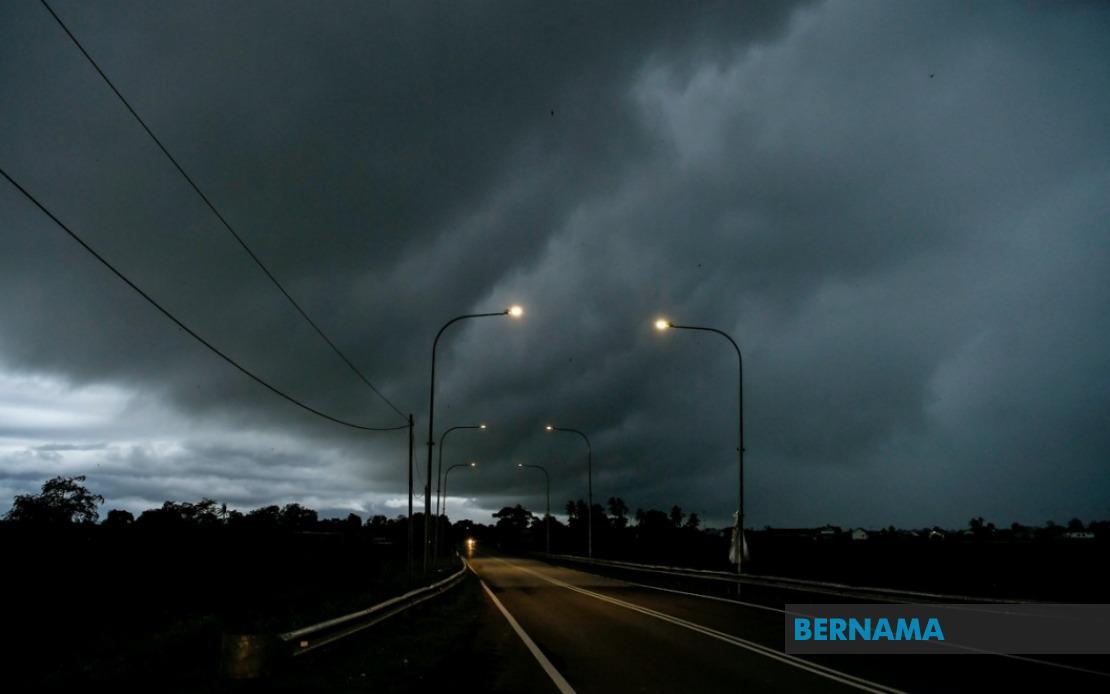
The Malaysian Meteorological Department issued an alert on July 8 warning residents across numerous regions to brace for severe weather conditions characterised by thunderstorms, torrential downpours and powerful winds persisting until midday. The advisory encompasses substantial portions of Peninsular Malaysia alongside affected zones in Sarawak and the Federal Territory of Labuan, signalling a widespread weather system impacting the nation's populated centres and outlying districts alike.
In the northern region, Kedah residents in Kuala Muda, Baling, Kulim and Bandar Baharu faced the prospect of deteriorating atmospheric conditions, while the entire state of Penang fell within the warning zone. This marks a significant concern for the densely populated Penang conurbation, where heavy precipitation during morning rush hours could create transportation disruptions and flooding in low-lying areas susceptible to water accumulation during intense rainfall events.
The Perak districts of Kerian, Larut, Matang and Selama, alongside Manjung and Bagan Datuk, similarly experienced the warning parameters. These regions, which encompass both coastal and inland localities, face potential impacts on daily economic activity, agricultural operations and infrastructure functionality. The convergence of multiple weather hazards—thunder, rain intensity and wind speed—necessitates heightened vigilance among the general population and operational preparedness from emergency services.
In the eastern corridor, Pahang's Rompin district entered the affected zone, continuing a pattern of coverage that extended through Negeri Sembilan's Jempol and Tampin municipalities. The entire state of Melaka, a densely urbanised peninsula hosting significant commercial and tourism activities, also fell under the meteorological caution. This concentration of warnings across central Peninsular Malaysia underscores the geographical scope and intensity of the prevailing weather system.
Southern Johor experienced widespread coverage within the warning parameters, with Tangkak, Segamat, Muar, Kulai, Kota Tinggi and Johor Bahru all designated as zones expecting thunderstorms and heavy precipitation. Given Johor's role as an economic hub with extensive manufacturing, port operations and cross-border commerce with Singapore, meteorological disruptions carry pronounced economic ramifications affecting supply chains and logistical networks throughout the southern corridor.
The Malaysian territories east of the South China Sea did not escape the weather pattern. Sarawak's Tatau and Bintulu in Bintulu Division, along with Subis, Miri and Marudi within Miri Division, confronted identical severe weather forecasts. The federal territory of Labuan, strategically positioned between Sarawak and Sabah, similarly expected encounters with thunderstorm activity, heavy rainfall and gusty conditions. These warning zones encompass regions with critical infrastructure, offshore operations and resource extraction activities sensitive to adverse meteorological conditions.
The meteorological authority's guidance emphasised public awareness and vigilance regarding atmospheric fluctuations. MetMalaysia recommended that residents maintain heightened alertness to changing weather patterns and actively pursue updated information from authoritative meteorological channels. Such proactive engagement with official weather services proves crucial during periods of severe atmospheric instability, enabling individuals and organisations to implement protective measures before conditions deteriorate.
The timing of this warning—focused on morning and midday hours—carries particular significance for Malaysian society. These hours encompass peak commuting periods, school operations, commercial transactions and industrial activities throughout the nation. Thunderstorms accompanied by heavy rain and powerful winds during these critical hours create compounded challenges for transportation networks, workplace safety protocols and public infrastructure resilience. The convergence of severe weather with high-activity periods amplifies potential disruptions to normalcy and emphasises the importance of timely meteorological communication.
For Malaysian readers, such warnings underscore broader patterns of increasingly variable weather systems affecting the Southeast Asian region. The frequency and geographical extent of severe weather alerts reflect climatic dynamics that demand adaptive responses from both governmental agencies and civilian populations. Understanding the scope of affected areas—spanning from Kedah to Johor, from coastal Penang to inland Pahang, and extending to East Malaysian territories—illustrates the systematic nature of these atmospheric phenomena and their capacity to influence daily life across disparate geographical zones simultaneously.
Residents and business operators across the designated warning zones should implement standard severe weather protocols, including securing loose outdoor objects, ensuring drainage system functionality and avoiding unnecessary travel through flood-prone areas during peak rainfall periods. Drivers should exercise heightened caution on highways and secondary roads where reduced visibility from heavy rain and strong crosswinds present traffic safety challenges. Industrial facilities, construction sites and outdoor commercial operations should review operational continuity plans and protective measures for personnel and equipment exposed to thunderstorm conditions.

