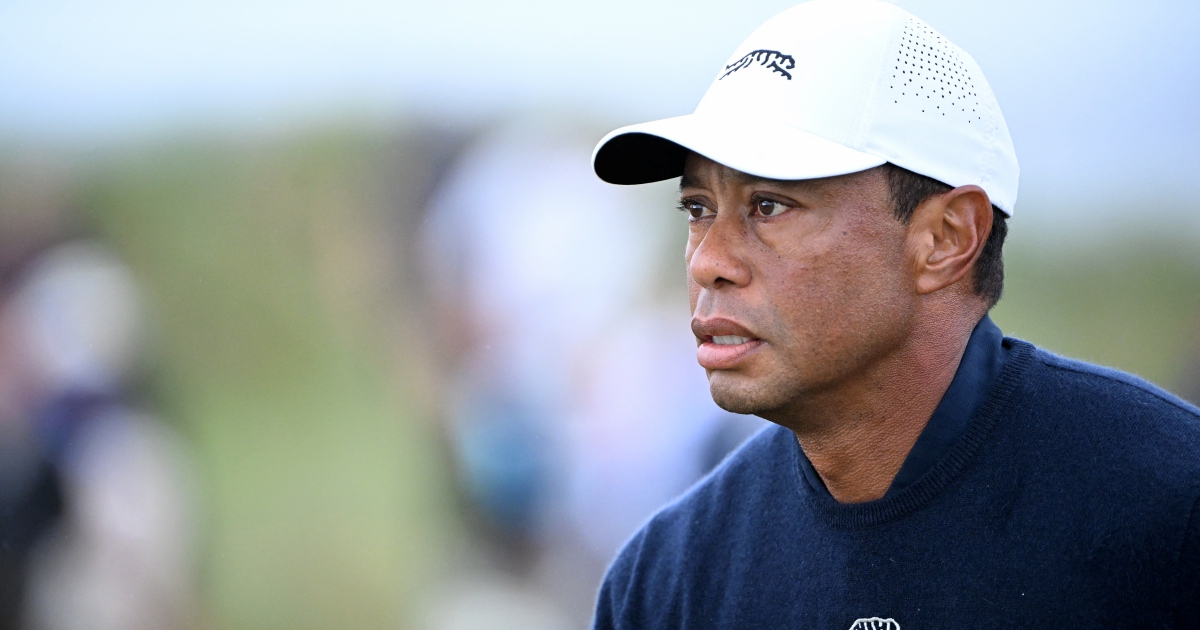
Tiger Woods is preparing for a significant moment in his legal proceedings, with a scheduled in-person appearance before a Florida judge marking his first such hearing since the car accident that occurred on March 27. The golf champion's case has experienced several adjournments before reaching this stage, reflecting the complexity of the legal process surrounding the incident.
The accident that triggered the current legal situation happened in the early morning hours, drawing immediate attention given Woods' status as one of the world's most recognised athletes. The circumstances surrounding the collision raised questions that ultimately led to authorities charging him with driving under the influence, a serious matter that has kept the case in the public eye throughout the intervening months.
Woods' legal team has successfully negotiated multiple postponements since the initial charges were filed, a strategy commonly employed in high-profile cases to allow time for thorough preparation and negotiation. Each delay has pushed the in-person hearing further into the calendar, extending the period during which Woods has managed the case through remote proceedings and written filings rather than direct judicial interaction.
The decision to finally require an in-person appearance represents a critical juncture in the legal proceedings. This transition from remote to in-court hearings typically signals that preliminary stages have concluded and substantive legal matters demand the defendant's physical presence before the bench. For Woods, the appearance will be his first face-to-face encounter with the judge overseeing his case since the accident nearly a year ago.
The DUI charge carries significant implications for Woods beyond the immediate legal consequences. As a public figure whose reputation and marketability have been central to his career recovery following previous controversies, the outcome of this case could influence his standing in the sports world and among sponsors. The legal proceedings have unfolded against the backdrop of Woods' remarkable athletic comeback, making the contrast between his performance on the golf course and these off-course difficulties particularly stark.
Florida's legal system has handled numerous high-profile cases involving celebrities and prominent figures, establishing precedents that may inform how Woods' case proceeds. The state's DUI laws are among the nation's strictest, and prosecutors typically pursue charges vigorously when circumstances warrant. Woods' legal representatives will need to navigate these procedures carefully as the case moves toward potential resolution.
The postponements that preceded this scheduled appearance have allowed both the prosecution and defence to prepare their respective positions thoroughly. Legal experts following the case have noted that such delays, while sometimes frustrating to observers, often serve the interests of justice by permitting adequate investigation, evidence review, and negotiation between parties. The extended timeline has also given Woods' team opportunities to explore potential outcomes short of trial.
For Malaysian readers and Southeast Asian sports enthusiasts, Woods' situation underscores the universal nature of legal accountability, regardless of wealth or fame. The case serves as a reminder that high-profile athletes operate within the same legal frameworks as other citizens, though the public scrutiny surrounding such proceedings tends to be far more intense. In a region where sports figures command considerable influence and admiration, Woods' experience offers insights into how legal systems worldwide address serious driving-related offences.
The in-person court appearance will likely attract significant media attention, as has been the case throughout the legal process. Every detail from the hearing will be dissected and analysed by sports journalists, legal commentators, and the broader public, given Woods' enduring prominence in global golf and popular culture. His presence in the courtroom, after months of managing the case largely behind the scenes, will mark a turning point in how this legal matter unfolds publicly.
Observers of the case have speculated about potential outcomes, ranging from plea negotiations to trial proceedings. The fact that Woods is finally appearing in person suggests that the legal process is moving toward resolution of some kind. Whether this appearance leads to a swift conclusion or the beginning of more prolonged proceedings remains to be seen, but it clearly represents progress in a case that has hung over the golfer's career recovery efforts.
The scheduling of this appearance carries symbolic weight as well. Woods' comeback narrative, which has dominated sports coverage in recent years following his return to competitive golf and tournament victories, now faces a parallel storyline involving legal accountability. How he navigates both trajectories will likely define the broader arc of his career in the years ahead.

