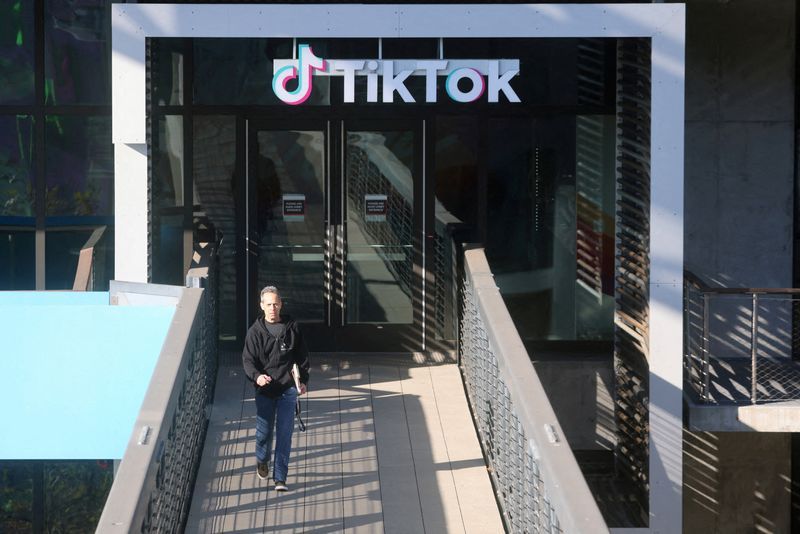
TikTok has agreed to settle a lawsuit filed by a 15-year-old boy from Florida who alleged the video-sharing platform caused serious harm to his psychological wellbeing, according to the plaintiff's legal representatives. Morgan & Morgan, the law firm representing the teenager identified by his initials R.K.C., confirmed the settlement in principle has been reached, though specific terms remain under negotiation.
The case represents another significant moment in the escalating legal battle over social media's impact on young people's mental health. R.K.C. began using social media platforms at approximately eight years old and subsequently experienced sleep deprivation, depression and anxiety, which he attributed to addictive features deliberately embedded in the applications, court documents reveal. His original complaint named four major technology companies: Google's YouTube, Meta's Instagram, Snap Inc.'s Snapchat and ByteDance's TikTok, making this a representative test case against the entire industry.
TikTok becomes the second defendant to exit the litigation through settlement, following YouTube's agreement to resolve its portion of the dispute in June. This development leaves Meta and Snapchat as the remaining defendants scheduled to proceed to trial beginning July 27 in California state court. The accelerating settlement pattern suggests technology companies are increasingly wary of proceeding to full trial, particularly given the precedent established in the industry's first major verdict.
The underlying allegations in this case form part of a broader societal concern about whether social media platforms intentionally design their interfaces and algorithms to maximise user engagement at the expense of children's mental health. Plaintiffs argue that companies employ sophisticated psychological techniques to keep young users scrolling, resulting in reduced sleep, increased isolation and heightened anxiety and depression. The companies maintain they implement comprehensive safety measures and deny deliberately targeting children with addictive design elements.
The scope of pending litigation is staggering. California state courts are processing more than 3,300 lawsuits involving addiction claims against social media firms, while an additional 2,600 cases involving individual users, educational institutions, municipalities and state governments are pending in federal court. This volume reflects the scale of public concern about social media's psychological consequences, particularly among younger demographics.
The first trial to reach completion offers instructive lessons about potential outcomes. That case involved a woman who claimed she became addicted to social media as a young person due to deliberately engaging design features. While TikTok and Snap settled before trial commenced, Meta and Google proceeded to verdict. A jury determined both companies had acted negligently, ordering Meta to pay $4.2 million in damages and Google to pay $1.8 million. In June, when Meta and Google sought to overturn the verdict, the presiding judge declined, strengthening the precedent.
Federal litigation has followed a similar settlement trajectory. A lawsuit initiated by a Kentucky school district against Meta, Snap, TikTok and YouTube was scheduled to commence in June but resolved before trial, with all four defendants paying the district a combined $27 million. Such substantial pre-trial settlements indicate that companies calculate the cost of litigation, reputational damage and potential verdicts as exceeding negotiated resolution amounts.
The geographical scope extends far beyond California and federal courts. Nearly every state across the United States has launched its own legal action against these platforms, alleging they misrepresented their safety features for young users and deliberately engineered addictive functionality targeting children. These coordinated multi-jurisdictional actions create compounding legal and financial pressure on technology companies.
For Malaysian and Southeast Asian readers, this American litigation holds significant implications. Many of these platforms operate globally, including throughout Malaysia, Singapore and the broader region. Regulatory approaches adopted in response to these legal developments could influence how Asian governments structure their own social media oversight. Additionally, if substantial damages become standard following adverse verdicts, technology companies may implement platform modifications globally to reduce legal exposure, potentially affecting how young Malaysians and their peers across Southeast Asia experience these services.
The R.K.C. settlement also signals that TikTok, despite its significant user base and market influence, recognises the strategic advantage of resolving disputes efficiently. Rather than risk jury verdicts that could prove more costly than negotiated settlements, the company has chosen to exit this particular case. This pragmatic approach suggests technology firms increasingly view social media litigation not as disputes to fight comprehensively but as operational costs to manage.
The convergence of state, federal and private litigation creates unprecedented legal vulnerability for social media platforms. No longer can companies rely on isolated successful defences in individual cases. Instead, they confront systematic challenges to their business models, design philosophies and safety claims across multiple jurisdictions simultaneously. The settlement pattern indicates companies are responding by attempting to resolve cases before reaching trial, where unpredictable jury decisions could impose far greater financial and reputational consequences than negotiated agreements.
Looking forward, the Meta and Snapchat trial beginning in late July will provide crucial signals about where juries stand on social media addiction claims. If plaintiffs prevail and damages exceed expectations, settlement momentum will likely accelerate across pending cases. Conversely, if defendants prevail, companies may become more aggressive in contesting liability. Either outcome will shape how technology companies approach product design and safety features globally, including in Malaysian markets where young users represent an increasingly valuable and vulnerable demographic.

