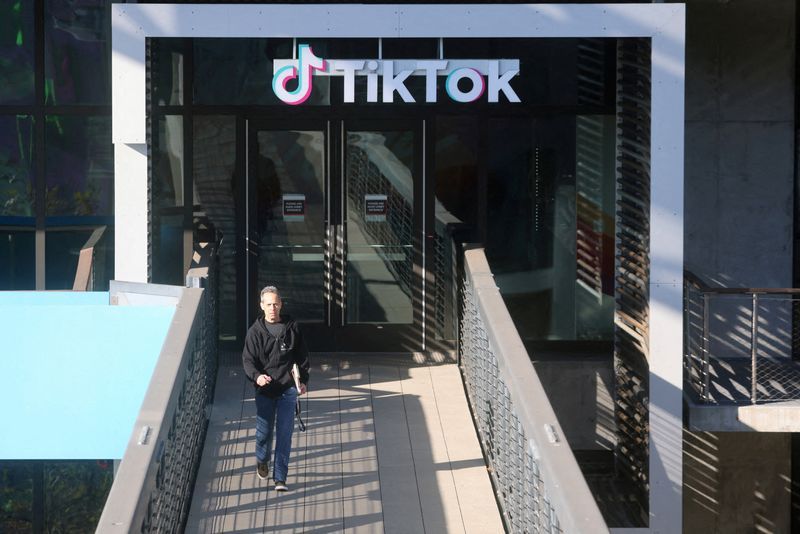
TikTok has reached an in-principle settlement with a minor plaintiff who accused the platform of harming his mental health, according to Morgan & Morgan, the law firm representing the youth. While the broad terms have been agreed, the specifics of the settlement remain under negotiation and have not yet been publicly disclosed or finalised. The agreement comes at a strategically significant moment, just as California courts prepare for what is expected to become the second major trial examining the relationship between social media use and youth mental health deterioration.
The lawsuit was originally brought by a 15-year-old Florida resident identified in court documents as R.K.C., who joined forces with his legal team to challenge four dominant social media platforms simultaneously. Beyond TikTok, the suit named YouTube, owned by Google; Instagram, owned by Meta; and Snapchat, operated by Snap Inc. Each of these companies now faces substantial legal exposure in what has become a coordinated campaign against the social media industry's impact on young people.
The progression of these cases reveals a pattern of defendants seeking resolution before trial. YouTube, the video-sharing giant owned by Google, settled its portion of the case in June, removing one defendant from the courtroom battle. However, Instagram and Snapchat have chosen to proceed to trial, with both cases scheduled for hearings in July. This staggered approach by the defendants suggests differing corporate strategies toward litigation risk, with some platforms opting for settlement confidentiality while others stand firm on contesting the allegations in open court.
R.K.C.'s personal account provides a window into the experiences motivating these legal challenges. The plaintiff began using social media platforms at approximately eight years old, an age when most children are still developing critical decision-making abilities and are particularly vulnerable to algorithmic persuasion. According to court filings, his engagement with social media intensified over time, eventually consuming so much of his attention that it disrupted fundamental health behaviours, including adequate sleep. The documented consequences extended beyond mere fatigue, with the teenager experiencing clinical depression and anxiety disorders that he attributes to his platform use.
For Malaysian readers and parents across Southeast Asia, this case carries particular resonance. The region has some of the world's highest rates of social media penetration among teenagers, with usage patterns often beginning even earlier than in Western markets. The settlement signals that global platforms may face increasing financial consequences for their design choices, potentially influencing how these companies operate in Asian markets where regulatory oversight remains fragmented compared to Europe or North America.
The litigation framework established in California provides important precedent for how courts evaluate causation between platform design features and documented mental health harms. The case examines not merely whether young people use these apps extensively, but whether the platforms' algorithmic recommendation systems, notification mechanics, and engagement-maximisation features create addictive patterns that knowingly compromise youth wellbeing. This distinction matters enormously, as it moves beyond personal responsibility narratives toward corporate accountability for product design choices.
The settlement with TikTok also reflects broader trends in how technology companies are responding to regulatory and legal pressure globally. Several major markets, including the European Union and increasingly countries across Asia-Pacific, are implementing stricter rules around youth data protection and algorithmic transparency. When major legal battles result in settlements rather than court victories by the industry, it signals that platforms may find it more economically rational to negotiate terms confidentially than to risk large jury verdicts and precedent-setting judicial rulings.
The pending trials involving Instagram and Snapchat will provide crucial evidence about how juries evaluate these claims. If either company loses at trial, damage awards could establish benchmarks that influence future settlements and shape regulatory approaches in other jurisdictions. Malaysia, Singapore, and other Southeast Asian nations monitoring these developments may eventually adapt their own frameworks based on lessons learned from California's litigation experience with social media's youth mental health impacts.
Beyond the immediate legal outcomes, this settlement wave reflects evolving societal expectations about corporate responsibility for the consequences of product design. The case law emerging from California suggests a future where social media platforms cannot simply disclaim responsibility for documented harms by pointing to user choice alone. Instead, courts are increasingly willing to examine whether specific platform features were deliberately engineered to maximise engagement regardless of impact on developing brains.
For technology investors and companies operating throughout the Asia-Pacific region, these American settlements signal that defending against youth mental health liability claims may become an unavoidable cost of doing business. Companies expanding their services in Southeast Asian markets where youth demographics skew young and digital adoption is rapid may need to anticipate similar legal challenges, potentially requiring changes to how algorithms operate or how their platforms interact with underage users in these high-growth regions.

