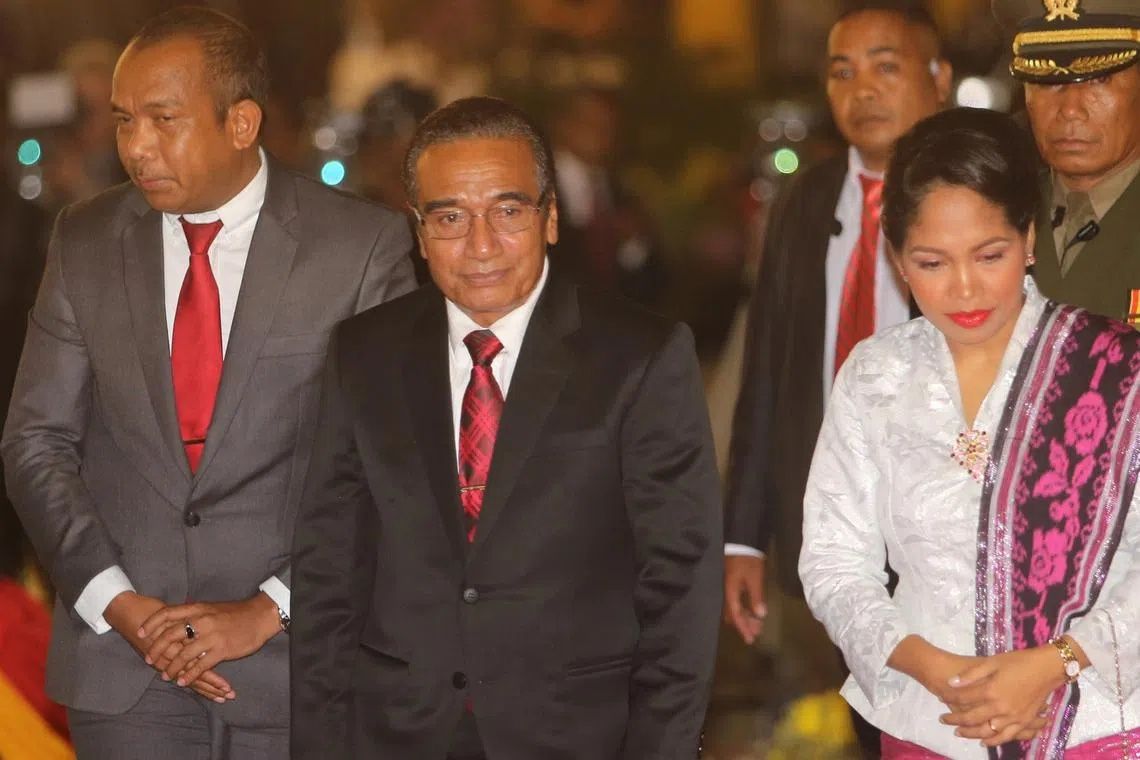
The Southeast Asian nation of Timor-Leste has entered a period of national mourning following the death of former president Francisco "Lu-Olo" Guterres, whose passing at a Malaysian hospital over the weekend has robbed the young nation of one of its most revered figures. The 71-year-old, whose life trajectory mirrored the struggle for independence itself, died away from his homeland, prompting authorities in Dili to declare a week-long observance beginning June 22. His death marks the loss of a towering presence in regional politics—a man whose personal journey from guerrilla fighter to elected leader embodied the aspirations of an entire generation of Timorese.
As a gesture of respect, the government has ordered flags to be flown at half-mast across all public institutions, including diplomatic outposts abroad. This ceremonial response underscores the symbolic weight that Guterres carried in the national consciousness. His brother Domingos indicated that the former president's remains would be repatriated to Dili on Tuesday, with funeral details still being finalised. The logistics of bringing Guterres home reflect both the practical complexities of his death occurring overseas and the nation's determination to ensure he receives a dignified farewell on Timorese soil.
Guterres's political career crystallised in 2017 when he secured the presidency with over 57 percent of the vote, becoming the nation's sixth elected head of state. This victory represented the pinnacle of an extraordinarily long political engagement that had begun decades earlier, during the darkest chapters of Timorese history. The five-year presidency that followed positioned him as a stabilising force during a period of nation-building and institutional consolidation. Yet his tenure was ultimately limited to a single term; when he sought reelection in 2022, he was defeated in a runoff by Nobel Prize laureate Jose Ramos-Horta, demonstrating the vibrancy of democratic competition in the young republic.
What distinguished Guterres's historical significance was his intimate connection to Timor-Leste's independence movement. He had spent decades as a guerrilla fighter during the nation's brutal 24-year occupation by Indonesia, which lasted until 2002. That occupation claimed hundreds of thousands of lives and left deep scars on the social fabric. Guterres's emergence from those armed struggles into legitimate political office symbolised the nation's transition from conflict to democratic governance. His willingness to accept electoral defeat in 2022 further demonstrated a commitment to democratic principles that could have been questioned given his background in military resistance.
Current President Ramos-Horta, despite having defeated Guterres in their electoral contest, released a statement characterising the former leader as a "great patriot" whose departure constituted "a great loss for the nation." This magnanimous tribute reveals how Timorese political culture has evolved, with former rivals capable of acknowledging shared sacrifice and mutual commitment to national development. The government extended formal condolences to Guterres's immediate family, to Fretilin—the Revolutionary Front for an Independent East Timor party he once led—and to the broader Timorese population. Fretilin remains one of the country's major political forces, and Guterres's stewardship of the organisation during critical periods of the independence struggle had fundamentally shaped its identity and trajectory.
The Guterres family has requested privacy during this period of grief, issuing a statement that balances public mourning with personal dignity. Their request that supporters "respect the family's privacy at this difficult time" while inviting citizens to "pray and pay tribute to his memory, his legacy, and his dedication to the Timorese people" reflects a nuanced understanding of Guterres's dual status as both a private individual and a public figure whose life was inextricably bound to national history. This framing allows for collective grieving without imposing burdensome ceremonial obligations on bereaved relatives.
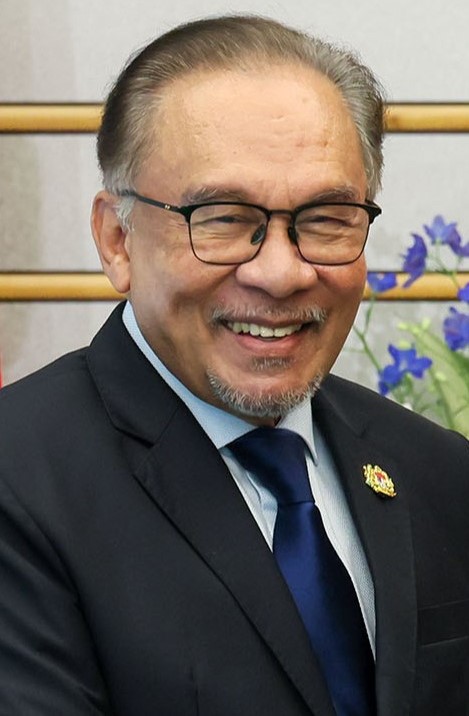
The regional dimension of Guterres's death—occurring in Malaysia rather than his homeland—has prompted responses from neighbouring governments. Prime Minister Datuk Seri Anwar Ibrahim expressed his sadness at the former president's passing and conveyed Malaysia's sympathies to both Guterres's family and the Timorese nation. Anwar's statement that "Malaysia mourns his passing alongside the Timorese people" and that Guterres "will be remembered here with respect and affection" reflects the considerable bonds of fellowship that exist between Southeast Asian nations, particularly given the shared histories of decolonisation and nation-building that define the region. That Guterres spent his final days in Malaysian medical care underscores the practical realities of healthcare access for leaders in smaller Southeast Asian nations.
Guterres's broader legacy extends beyond his presidential tenure or his role in the independence struggle. His entire adult life represented a commitment to Timorese sovereignty and self-determination at a time when such commitment carried existential risks. The transition from armed resistance to electoral politics, which he navigated successfully, provided a template for other post-conflict societies seeking to consolidate democratic institutions. His acceptance of electoral defeat in 2022, though undoubtedly disappointing personally, strengthened democratic norms in a nation still establishing constitutional traditions. For younger Timorese citizens who came of age after independence, Guterres represented a living connection to the sacrifices that had secured their freedom.
The week of mourning declared by the Timorese government will provide space for reflection on the nation's progress since independence. Timor-Leste has faced formidable challenges in its two decades of sovereign existence—economic fragility, infrastructure deficits, and the complexities of post-conflict reconciliation. Yet it has maintained democratic governance and avoided the authoritarian trajectories that have afflicted some regional neighbours. Guterres's political career, spanning both struggle and governance, embodied this commitment to democratic values. His passing represents not merely the loss of an individual but the fading of a direct connection to the independence generation, those who had experienced both occupation and liberation within a single lifetime. The week ahead will allow the nation to process this loss while recommitting itself to the vision of an independent, democratic Timor-Leste that Guterres devoted his life to achieving.