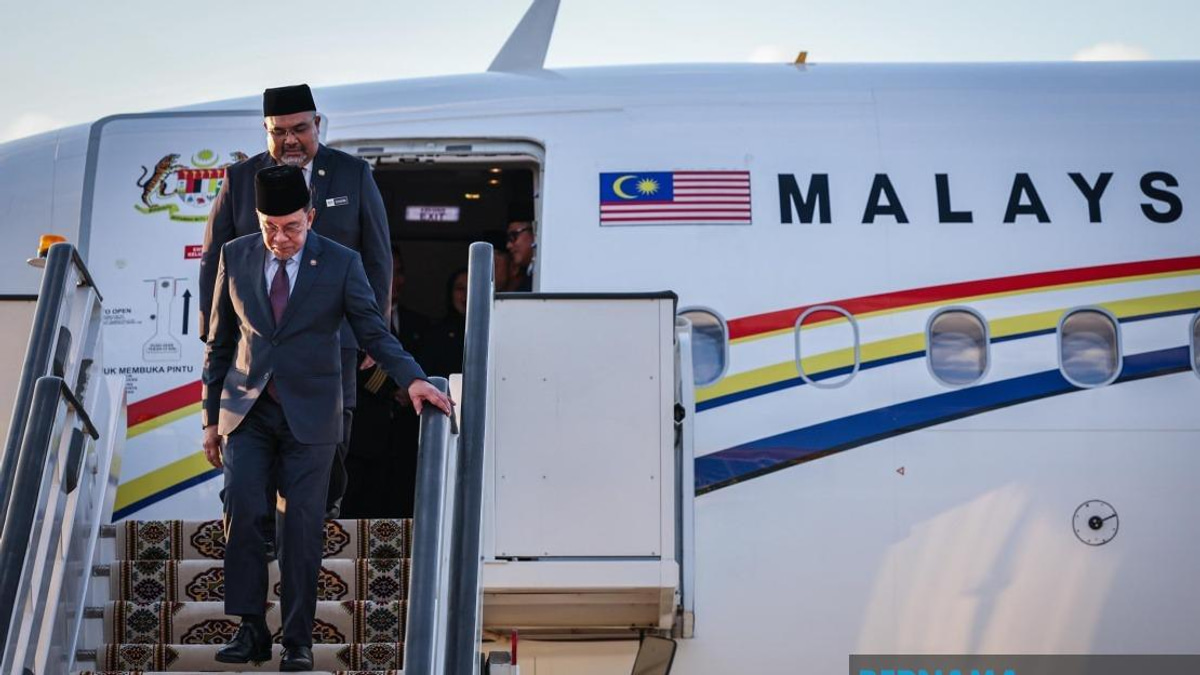
Timor-Leste President Jose Ramos-Horta departed Malaysia in the early hours of June 17 after concluding a five-day official visit aimed at strengthening bilateral relations and regional cooperation between the two nations. The Nobel Peace Prize laureate and his delegation made their way to Kuala Lumpur International Airport Terminal 1, where they boarded a Batik Air flight scheduled to depart at 2.15 am, bringing to a close a diplomatically significant visit that underscored the importance of Southeast Asian solidarity and mutual support among newer and established members of the regional community.
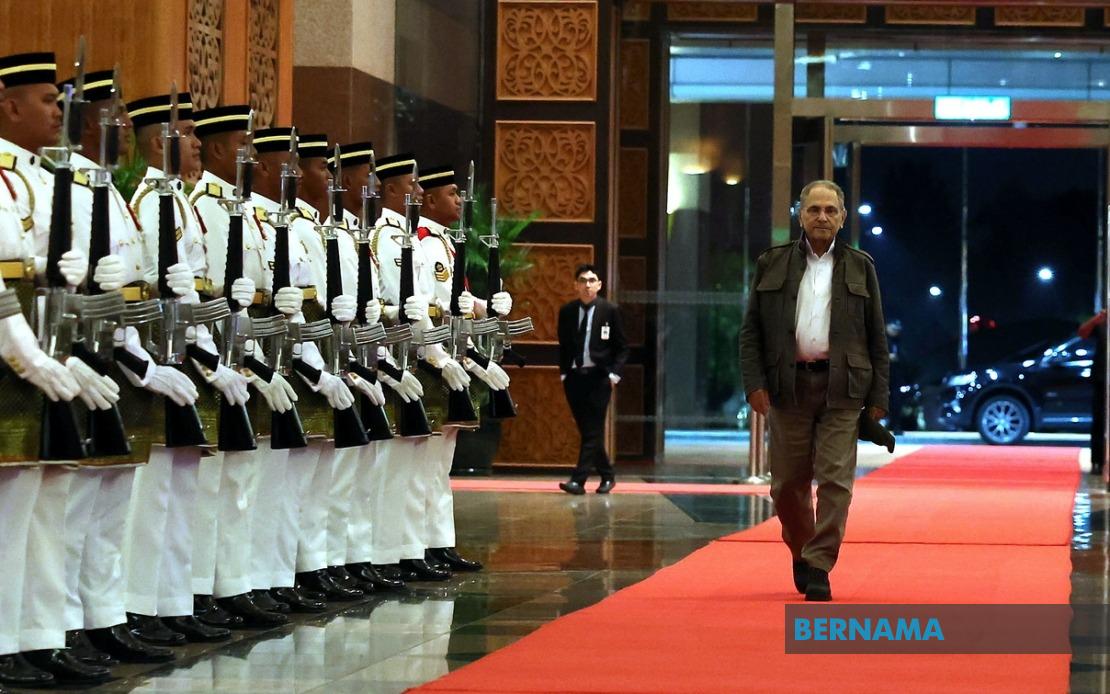
The departure ceremony reflected the formal nature of the presidential visit, with Ramos-Horta accorded a static Guard of Honour comprising two officers and 26 personnel from the First Battalion Royal Ranger Regiment upon his arrival at the Bunga Raya Complex at KLIA at 1.33 am. Such ceremonial recognition highlighted Malaysia's acknowledgment of Timor-Leste's significance as a regional partner and the respect accorded to the visiting head of state during his time in the country. The meticulous arrangements for his departure underscored the diplomatic protocol extended to a nation that Malaysia has championed within regional forums.
A cornerstone of Ramos-Horta's engagement during the visit involved his participation in a dialogue session on June 15 titled "A Changing World, Enduring Values," during which he publicly characterised the relationship between Timor-Leste and Malaysia as "exceptionally good." This public commendation carried significance beyond ceremonial politeness, reflecting genuine alignment between the two nations on key governance and development issues. Ramos-Horta specifically highlighted Malaysia's accomplishments in maintaining security and stability, sustaining democratic institutions, and achieving meaningful economic growth—areas where many Southeast Asian nations seek to emulate or benchmark their own progress.
The historical dimension of Malaysia-Timor-Leste relations featured prominently in Ramos-Horta's remarks. He expressed deep appreciation for Malaysia's consistent support for Timor-Leste since well before the country's independence in 2002, with particular emphasis on Malaysia's crucial role in peacekeeping operations during the volatile period of 1999 when Timor-Leste was navigating its transition to statehood. This acknowledgment of historical cooperation established a foundation for understanding why current bilateral initiatives carry particular weight and why Malaysia's backing for Timor-Leste's integration into ASEAN proved so consequential.
Central to discussions during the visit was Malaysia's instrumental role in facilitating Timor-Leste's accession to the Association of Southeast Asian Nations. Ramos-Horta publicly thanked Malaysia for its sustained advocacy during the Malaysian chairmanship of ASEAN, which directly contributed to Timor-Leste officially becoming the bloc's 11th member state on October 26, 2025. This recent achievement represented a significant milestone for Timor-Leste, marking its full integration into the region's primary multilateral framework after years of engagement as an observer and dialogue partner.
Looking forward, Ramos-Horta expressed confidence in Timor-Leste's preparedness to assume responsibility for hosting ASEAN in 2029, a year that will place the young nation at the centre of regional diplomacy and decision-making. The President indicated that infrastructure and facilities development projects were being accelerated to meet the logistical and ceremonial requirements of such a high-profile hosting responsibility. This forthcoming role signals not merely administrative capacity but represents an important symbolic recognition of Timor-Leste's standing within the ASEAN community.
Economic partnership and investment opportunities constituted another key dimension of the visit. Ramos-Horta directly appealed to Malaysian investors to consider opportunities within Timor-Leste's infrastructure development sector, leveraging several competitive advantages that the nation possesses. He emphasised that Timor-Leste maintains a comparatively low debt burden relative to many regional peers, while simultaneously benefiting from a substantial sovereign wealth fund generated from petroleum revenues. These financial strengths position Timor-Leste as an attractive investment destination for long-term infrastructure projects, particularly when supplemented by support from multilateral financing institutions that have expressed commitment to development initiatives in the nation.
Prime Minister Datuk Seri Anwar Ibrahim personally hosted a luncheon honouring Ramos-Horta at the Seri Perdana Complex on June 16, providing a high-level forum for substantive discussions on expanding cooperative frameworks between the two governments. During this bilateral engagement, both leaders explored pathways for deepening engagement across multiple sectors including trade expansion, investment attraction, human capital development, educational partnerships, and technical training programmes. The direct involvement of Malaysia's Prime Minister underscored the political priority assigned to relations with Timor-Leste within Malaysia's broader regional diplomacy.
Current trade metrics between the two nations reflect a relationship that remains nascent in commercial terms but demonstrates growth potential. In 2024, bilateral trade between Malaysia and Timor-Leste reached USD18.72 million, equivalent to approximately RM85.68 million, with Malaysian exports significantly outweighing imports. Malaysia exported goods valued at USD18.37 million (RM84.06 million) to Timor-Leste, while imports from Timor-Leste totalled USD0.35 million (RM1.62 million). These figures illustrate both the current modest scale of commercial exchange and the substantial untapped potential for expansion as trade linkages deepen and new investment flows into Timor-Leste's development sectors.
For Malaysia and the broader Southeast Asian region, Timor-Leste's successful integration into ASEAN and its emergence as a more active regional participant carries strategic implications. The nation's geographic position along important maritime corridors, combined with its natural resource endowments and growing institutional capacity, positions it as an increasingly important stakeholder in regional security, economic cooperation, and diplomatic consensus-building. Malaysia's proactive engagement with Timor-Leste—from supporting its ASEAN bid through hosting a presidential visit that emphasised bilateral partnership—reflects recognition of this emerging significance.
Ramos-Horta's visit also demonstrated how ASEAN's policy of constructive engagement and inclusive regionalism continues to yield diplomatic benefits. By welcoming a young nation into full membership and actively supporting its development aspirations, the bloc reinforces its commitment to regional stability and shared prosperity. For Timor-Leste specifically, the visit to Malaysia and the warm reception extended by Malaysia's political leadership provided tangible reassurance of the nation's acceptance within regional structures and Malaysia's commitment to supporting its continued development and integration into Southeast Asian institutions and processes.