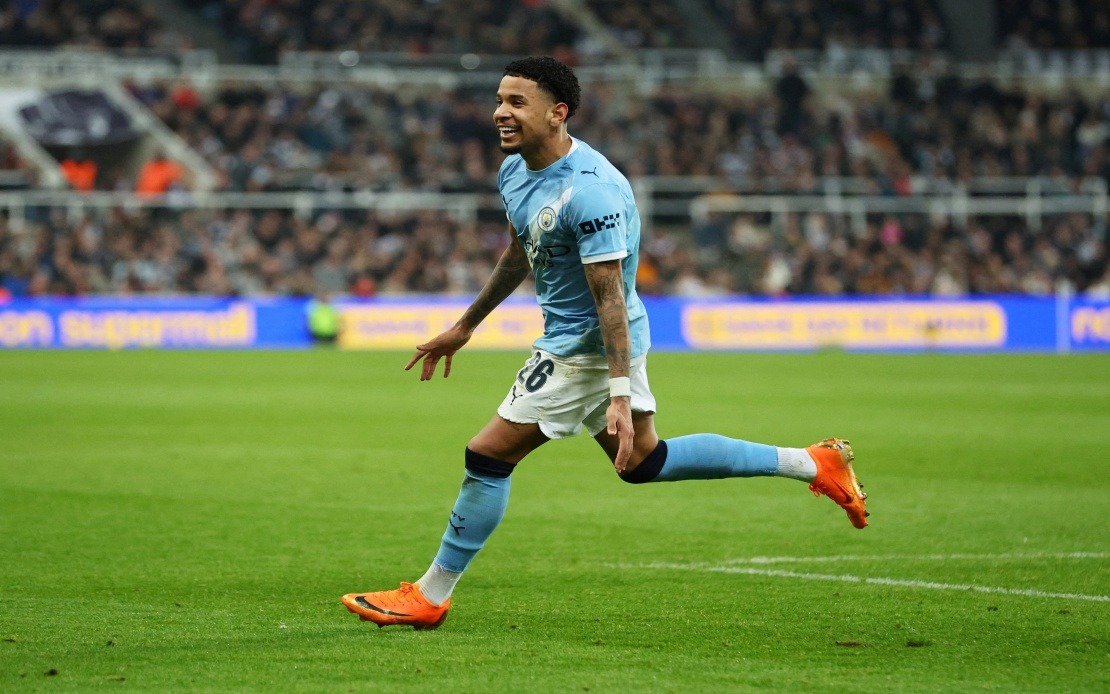
Tottenham Hotspur has successfully concluded negotiations to bring Brazilian winger Savinho from Manchester City, marking a significant coup in the transfer market and fulfilling a key objective for new manager Roberto De Zerbi. The deal, structured at an initial payment of £75 million with a further £10 million available through performance-related add-ons, represents the north London club's determination to strengthen their attacking options ahead of the new Premier League campaign. The transfer comes after Spurs had previously pursued the 22-year-old without success, making their persistence this summer all the more rewarding as they prepare for their opening fixture against Brentford.
The acquisition of Savinho pushes Tottenham's total summer expenditure beyond the £300 million threshold, demonstrating the club's ambition under De Zerbi's leadership. The Italian manager, who arrived with a reputation for developing creative attacking systems, had explicitly committed to providing his squad with enhanced firepower. With Savinho's signature now secured, that promise is beginning to materialise, though Spurs must navigate a tight administrative window to register him in time for their weekend Premier League debut.
Navigating English football's transfer deadline machinery poses an immediate challenge for Tottenham, as all paperwork must be finalised by midday on Friday to permit Savinho's inclusion in the squad for Saturday's encounter at Gtech Community Stadium. This timing constraint has added urgency to the proceedings, yet club officials remain confident they can satisfy all regulatory requirements. The speedy completion would allow De Zerbi to potentially deploy his new signing from the outset, providing an immediate injection of fresh talent.
Savinho's arrival addresses a critical staffing shortage in Tottenham's attacking department. James Maddison, Dejan Kulusevski, Mohammed Kudus, Xavi Simons, and Wilson Odobert are all either working through rehabilitation programmes following injury or currently unavailable. This personnel crisis means the Brazilian will likely find himself drafted into the starting lineup immediately, offering De Zerbi a ready-made solution to his team selection dilemmas during the campaign's opening stages.
The 22-year-old's profile represents the type of modern, adaptable wide player increasingly prized in contemporary football. Operating comfortably across either flank and possessing a natural left-footed style, Savinho emerged through the structured pathway of City Football Group, beginning his professional career at Brazilian club Atlético Mineiro before impressive stints at Troyes and Girona preceded his Etihad Stadium transfer. This journey through the City ecosystem provided him with exposure to high-level coaching methodologies and competitive environments across multiple leagues.
Despite his pedigree and the investment Manchester City made in securing him, Savinho experienced difficulty establishing himself as a regular performer at the Etihad. His statistics from his period in Manchester—seven goals alongside 16 assists across 84 appearances—reveal a player who contributed meaningfully but lacked the consistency or opportunities to become a core starter. This underutilisation creates a genuine opportunity for both Savinho and Tottenham, with De Zerbi's systems potentially offering a more prominent role than he commanded under City's demanding tactical framework.
The transfer also signals Manchester City's willingness to move players who, despite showing promise, have not achieved the status required for permanent integration into Pep Guardiola's squad. For Tottenham, this represents a calculated gamble that a change of environment and guaranteed regular football can unlock the potential that has remained partially dormant. Such transfers, where underperforming talents from elite clubs rejuvenate their careers elsewhere, have produced mixed results across football, but the youth and adaptability of Savinho suggest potential for a positive outcome.
Parallel negotiations continue regarding Omar Marmoush's potential transfer to Tottenham, a development that would constitute the second piece of De Zerbi's planned attacking reshuffling. Should Marmoush join alongside Savinho, it would represent a comprehensive overhaul of Spurs' wide and forward options, signalling a clear tactical philosophy embracing pace, technical ability, and contemporary football's demands. These simultaneous recruitment efforts underscore the club's strategic thinking about building a cohesive attacking unit rather than piecemeal additions.
For Malaysian and Southeast Asian observers, the significance extends beyond mere transfer mechanics. Tottenham's investment strategy reflects broader Premier League trends where sustained financial commitment, tactical coherence, and manager empowerment drive competitive ambition. De Zerbi's appointment itself represented a statement of intent—a calculated shift toward continental football philosophy within English football's most commercially visible competition. The Savinho deal exemplifies this philosophical reorientation.
The Brazilian contingent in English football continues strengthening, with players like Savinho providing role models for emerging talent from South America seeking elite-level exposure. His journey through City Football Group properties and now into regular Premier League action demonstrates the pathways increasingly available to technically gifted players. This development carries implications for recruitment patterns affecting Southeast Asian academies and talent development systems seeking international benchmarks.
Tottenham's aggressive summer recruitment also reflects competitive pressure within the Premier League's upper echelon. Manchester City's own summer restructuring, Liverpool's managerial transition, and Chelsea's continued investment create a dynamic environment where clubs must act decisively to maintain competitive positioning. For Spurs, this means addressing long-standing questions about their championship credentials through tangible strengthening of key positional areas.
Looking ahead, Savinho's integration will significantly influence Tottenham's attacking output during the crucial campaign opening period when injuries afflict many squad members. The Brazilian's willingness to learn English football's nuances whilst adapting to De Zerbi's specific tactical requirements will prove decisive in determining whether this substantial investment yields proportionate returns. His success or otherwise may also shape the club's approach to future transfer strategy and their capacity to compete authentically for major honours.

