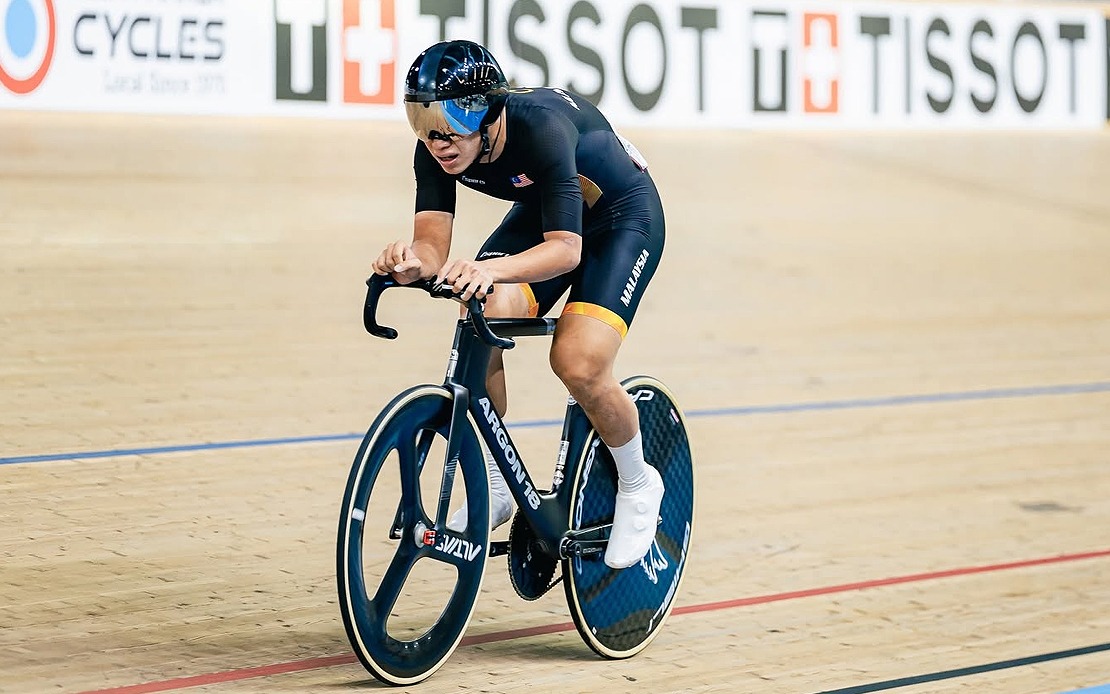
Malaysian track cyclist Lau New Joe is recovering in stable condition following a high-impact collision during the men's 10-kilometre scratch race final at the 2026 Glasgow Commonwealth Games on Saturday, and has received medical clearance to return to Malaysia with the national contingent. The incident, which involved nine riders near the finish line at the Sir Chris Hoy Velodrome, resulted in New Joe being stretchered off the track and marked as did not finish in the official results.
Dr Kamarul Hashimy Hussein, the chief medical officer for the Malaysian contingent, outlined the extent of New Joe's injuries following comprehensive medical evaluation at Queen Elizabeth University Hospital. The cyclist underwent a computed tomography scan and full-body X-rays to assess the severity of the impact. The most critical finding was the absence of internal bleeding in the brain, a significant positive indicator that ruled out the most serious potential complications from head trauma in cycling accidents.
While the brain scan proved reassuring, New Joe sustained fractures to his facial bones, a common consequence of cycling crashes where riders typically strike the pavement or track surface with their face and head region. Beyond the skeletal damage, he also suffered dental injuries including fractured teeth that will necessitate extended dental treatment and specialist follow-up procedures. The complexity of his injuries required attention from maxillofacial specialists, two of whom provided immediate treatment from approximately 9 pm until 1 am on the night of admission.
Following the specialist intervention, New Joe was discharged from hospital and returned to the Malaysian team's accommodation. His medical management will transition to Malaysia upon his arrival, with the National Sports Institute overseeing his recovery protocol and subsequent treatment sessions. The dental injuries represent a particular concern given the number of specialist appointments and potential cosmetic considerations involved in comprehensive maxillofacial rehabilitation.
Beyond the physical injuries, Dr Kamarul emphasised that the medical team recognises the psychological dimension of New Joe's recovery. The cyclist is described as possessing strong mental resilience and a competitive drive, factors that will support his rehabilitation. However, psychological support remains part of the integrated care plan, acknowledging that major trauma and extended recovery periods can affect an athlete's confidence and mental wellbeing, particularly when return to elite competition is uncertain.
The National Sports Institute will implement a phased return-to-competition protocol that monitors multiple physiological parameters. His fitness assessment will encompass cardiovascular capacity, muscular endurance, and overall stamina—all critical components of track cycling performance. This methodical approach reflects best practice in sports medicine, where premature return to competition following significant injury risks re-injury and compromises athletic performance. Medical clearance for competition will only be granted once comprehensive assessment confirms full functional recovery.
Dr Kamarul expressed cautious optimism regarding New Joe's potential participation in the Asian Games scheduled to commence on September 19 and conclude on October 4. The timeline presents both opportunity and challenge: the Games represent a significant competition for Malaysian cycling, yet recovery from maxillofacial trauma and dental injuries typically requires several weeks minimum. The medical team's hope for his return reflects confidence in his recovery trajectory, though the decision will ultimately depend on clinical assessment rather than administrative timelines.
This incident occurred during New Joe's Commonwealth Games debut, adding particular poignancy to his crash. First-time participants at major international competitions often carry significant hopes for performance and medal potential, making sudden injury a particularly difficult experience. The cycling community at Glasgow 2026 will have witnessed the crash firsthand, as track cycling events at the Sir Chris Hoy Velodrome attract substantial spectator audiences and media coverage.
The multi-rider collision that precipitated the crash highlights the inherent risks of track cycling, particularly in sprint-focused events like the 10-kilometre scratch race where riders maintain high speeds throughout competition and contest aggressively for position in the final lap. The involvement of nine riders suggests a significant incident that disrupted race flow, typical of crashes where one initial contact triggers a cascading effect affecting multiple competitors in close proximity.
Malaysia's track cycling programme has developed considerable strength in recent years, with consistent performances at regional competitions and growing technical capability. New Joe's injury and recovery will unfold within this context, with the cycling community and national sports administration monitoring his rehabilitation closely. The incident also serves as a reminder of the medical infrastructure required to support athletes competing at major international venues, with Queen Elizabeth University Hospital providing appropriate emergency and specialist services.
New Joe's medical clearance to fly home represents an important milestone in his recovery, signalling that his injuries do not present acute risks that would necessitate ongoing hospital observation or emergency intervention. However, the journey from medical discharge to full competitive readiness remains extended, requiring sustained commitment to prescribed treatment and rehabilitation protocols. His return to Malaysia will enable him to access familiar medical providers and support systems while continuing recovery among family and teammates.
The broader implications for Malaysian athletics extend beyond this individual case. The crash underscores the importance of adequate medical support at international competitions, appropriate insurance coverage for athletes competing abroad, and rehabilitation infrastructure within Malaysia capable of managing complex sports injuries. As the nation develops its sports medicine capacity, cases like New Joe's highlight both existing strengths in emergency response and opportunities for enhanced specialist services in maxillofacial trauma and dental rehabilitation for athletes.

