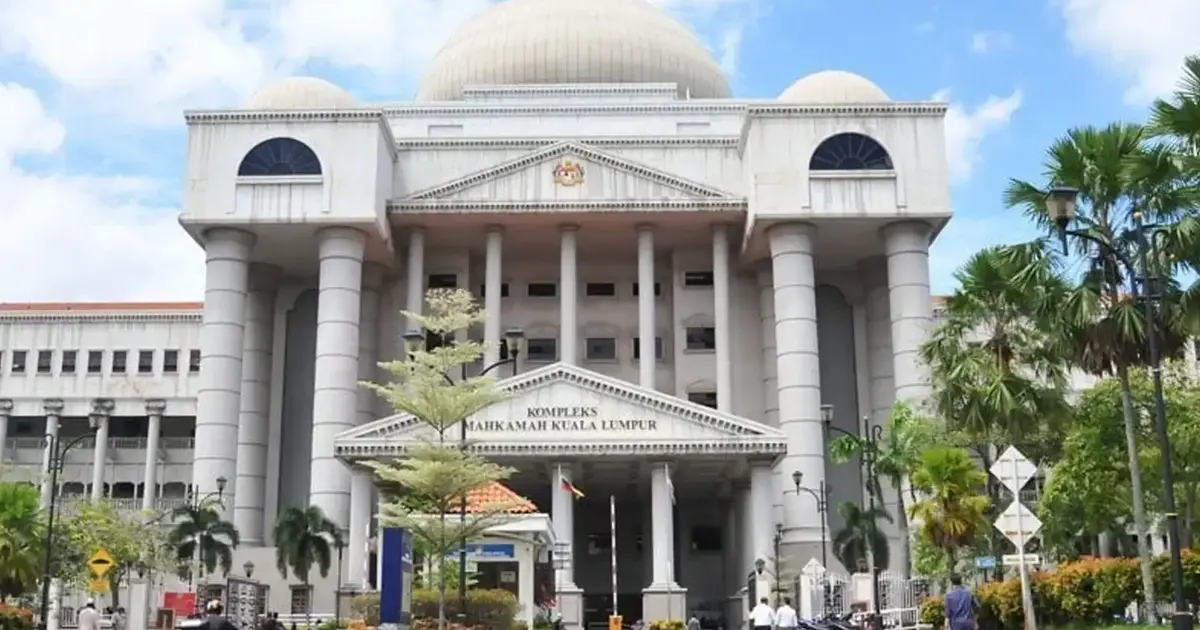
The Malaysian High Court has delivered a significant judgment clarifying procedural requirements in trademark disputes, ruling that a minor delay in serving legal documents will not automatically derail an application. The decision carries important implications for businesses navigating intellectual property protection in the region, where trademark registration forms a crucial component of competitive positioning.
At the heart of the case lay a procedural question about how strictly courts should interpret timing rules in trademark opposition proceedings. The judge determined that the requirement to serve a counterstatement "at the same time" as filing it should be understood as directory rather than mandatory—meaning that the provision guides practice but does not operate as an absolute bar to proceedings when circumstances prevent exact compliance. This distinction between directory and mandatory requirements has long shaped Malaysian law, but its application to intellectual property procedures remained somewhat ambiguous until this ruling.
The practical consequence of this judgment is substantial for trademark applicants who may face unexpected delays in their legal work. A two-day gap between filing and service, which might arise from administrative backlogs, courier delays, or oversight by legal counsel, no longer represents an automatically fatal flaw. Instead, courts will now assess whether such delays cause genuine prejudice to the opposing party or undermine the fundamental fairness of the opposition process. This approach aligns with modern trends in civil procedure across common law jurisdictions, which increasingly emphasize substantive justice over rigid formalism.
For Malaysian companies and international businesses operating in this market, the judgment reduces one category of technical risk when pursuing trademark registration. The Intellectual Property Corporation of Malaysia processes thousands of trademark applications annually, and procedural disputes occasionally derail legitimate protection efforts. By softening the consequences of minor timing lapses, the court has made the system more resilient to genuine administrative friction while still maintaining accountability for serious or deliberate breaches.
The ruling reflects broader judicial evolution in how courts approach procedural compliance in specialist areas like intellectual property law. Over the past decade, Malaysian courts have gradually moved toward balancing strict adherence to procedural rules with the need to ensure that substantive disputes are resolved on their merits. This case extends that principle into trademark opposition, where technical objections have sometimes overshadowed more substantial disagreements about actual rights and registrability.
Understanding the distinction between directory and mandatory requirements proves essential for legal practitioners advising clients through trademark opposition proceedings. A mandatory requirement, if breached, typically operates as an absolute bar unless specifically excused by statute or court order. A directory requirement, by contrast, sets out the preferred method of procedure but does not invalidate the entire proceeding if not strictly observed, provided no real prejudice results. The court's classification signals that procedural fairness, rather than mechanical compliance, should drive outcomes.
This judgment will likely influence how the Intellectual Property Tribunal, which hears trademark appeals, interprets procedural rules in future cases. That quasi-judicial body frequently encounters disputes involving timing, service, and documentation, and tribunal members will now have clear guidance from the High Court about how flexible they may be when assessing whether procedural breaches warrant dismissal. Such guidance helps create consistency and predictability across the intellectual property system.
The decision arrives at a time when Southeast Asian countries are increasingly competing to attract intellectual property investment and activity. Singapore, Thailand, and Indonesia have all invested in streamlining their trademark systems to appeal to multinational enterprises and regional businesses seeking efficient protection. Malaysia's clarification that the system accommodates minor procedural slippage without sacrificing fairness positions the country more competitively within that context.
For in-house counsel and intellectual property managers in Malaysian corporations, the ruling offers reassurance that their trademark portfolios face somewhat reduced procedural jeopardy. When managing multiple applications across various jurisdictions, inevitable delays sometimes occur due to internal coordination, changes in legal representation, or communication gaps. While strict compliance remains the goal, knowing that two days' difference in service dates will not automatically invalidate months of work and investment reduces organizational anxiety around trademark operations.
The judgment also carries implications for how businesses structure their opposition responses and procedural compliance systems. Rather than designing processes around an assumption of absolute precision, companies may now build in modest buffers and focus their compliance efforts on substantive preparation rather than obsessing over exact timing. This reallocation of attention and resources toward the merits of disputes represents a rational outcome of the court's decision.
Moving forward, the High Court's distinction between directory and mandatory requirements will shape how practitioners draft procedural objections and how judges assess them. Parties challenging trademark applications or opposition responses on procedural grounds will need to demonstrate more than mere technical non-compliance; they will need to show that the breach caused actual prejudice or violated fundamental fairness. This raises the bar for technical objections and refocuses trademark litigation toward substantive intellectual property issues.
The ruling ultimately reflects confidence in the maturity of Malaysia's intellectual property jurisprudence and its capacity to distinguish between genuine procedural injustice and mere technical deviation. As the system continues developing and the volume of trademark disputes increases, such calibrations become increasingly important for maintaining both efficiency and fairness. The High Court's approach suggests that Malaysian intellectual property law is evolving toward a framework that protects legitimate interests while avoiding the ossification that can result from excessive formalism.

