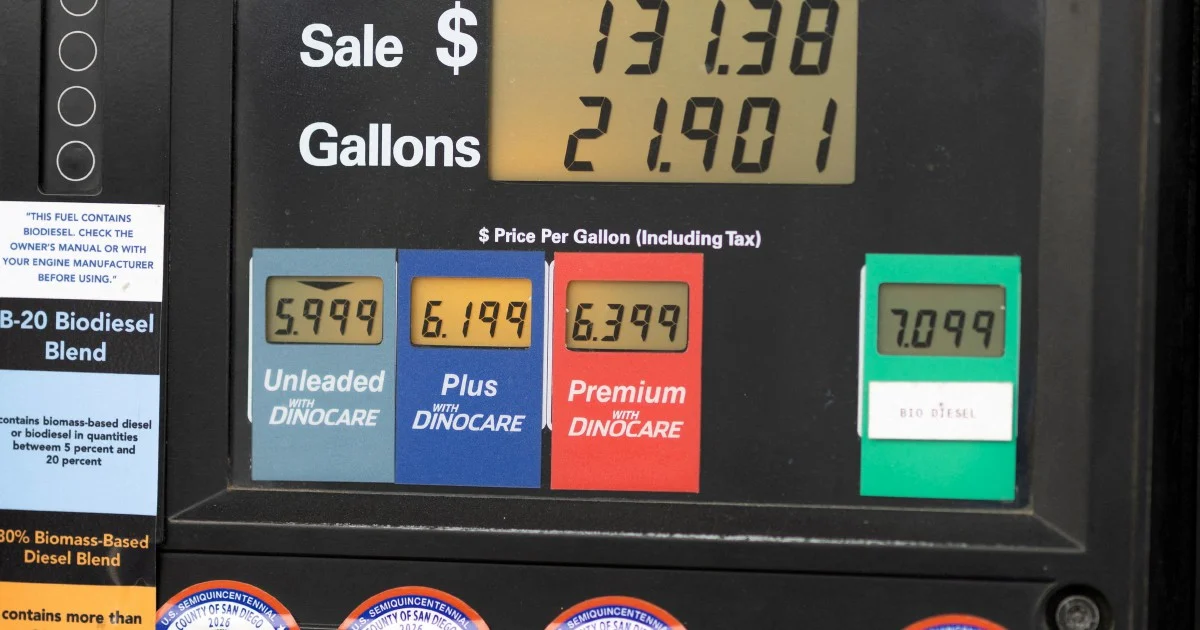
Donald Trump initiated a formal investigation into major oil companies on Wednesday, expressing frustration with what he characterised as unnecessarily sluggish declines in petrol prices across American markets. The announcement reflects growing political pressure on the Trump administration regarding the broader economic impact of regional conflict in the Middle East, which has complicated the energy landscape considerably.
The investigation represents a high-profile attempt to address voter anxiety about fuel costs, a perennial political sensitivity in the United States. Though petroleum prices have moderated from recent peaks, the pace of relief at the pump has disappointed the administration, which sees energy affordability as central to its economic messaging. This calculus is particularly acute given that consumers remain acutely conscious of their energy expenses and attribute price movements directly to presidential leadership.
The Middle East conflict has created a complex dynamic for Trump and his economic team. While direct disruptions to global supply chains have been limited thus far, the geopolitical uncertainty underlying the tensions has imparted a risk premium to crude prices that proves difficult to eliminate through policy alone. Markets reflect not merely current conditions but anticipated future complications, making rapid price normalisation elusive despite relatively stable production flows.
Oil companies face mounting scrutiny over their pricing mechanisms and profit margins. The investigation will likely examine whether fuel retailers and refiners have passed on savings to consumers proportionally as wholesale crude costs have eased, or whether they have widened margins during this period. This line of inquiry probes the competitive dynamics within energy markets, where integrated companies possess substantial influence over the price journey from wellhead to petrol station forecourt.
For Malaysian and Southeast Asian observers, these developments carry indirect but meaningful implications. Crude prices traded on global markets affect the region's energy-importing economies, while also influencing investment flows and corporate strategies of major international energy firms with significant operations across Asia-Pacific. Should Trump's investigation lead to pressure on global oil majors to constrain pricing, the effects would ripple through regional fuel markets and government revenues dependent on energy taxation and ownership stakes in petroleum ventures.
The political dimension cannot be overstated. Energy costs directly influence consumer purchasing power and therefore retail spending, which underpins broader economic growth. Trump faces criticism from constituents who view high petrol prices as undermining their quality of life and eroding the purchasing strength they anticipated from his policies. This investigation signals the administration's commitment to deploying executive authority to address the issue, even if the practical tools available remain limited given global market forces.
Historically, American investigations into oil company practices have yielded mixed results. Antitrust scrutiny of petroleum firms dates back over a century, yet structural changes to market competition have proven difficult to engineer through regulation alone. Modern petroleum markets operate with substantial transparency regarding prices and volumes, reducing the likelihood of discovering outright collusion compared to earlier eras. Nevertheless, questions about pricing discipline and margin management remain legitimate subjects for policy examination.
The investigation's timing matters considerably. Should prices decline noticeably in coming weeks, the Trump administration could claim vindication for its assertive approach, reinforcing the narrative that scrutiny alone can influence corporate behaviour. Conversely, if prices remain elevated, the investigation's findings risk being dismissed as rhetorical gestures lacking substantive impact. This dynamic places considerable importance on crude oil market movements in the near term, which depend heavily on Middle East developments beyond Washington's direct control.
Regional governments watching this situation should consider its precedential value. Investigations into energy pricing by major consumer nations establish frameworks that other countries may follow, potentially affecting energy firm operations and profit strategies across multiple markets simultaneously. Malaysia and other ASEAN nations might draw lessons regarding the appropriate balance between market forces and regulatory intervention in energy sectors characterised by both global supply chains and domestic economic sensitivity.
The investigation also reflects broader questions about corporate responsibility during periods of geopolitical stress. Companies operating in volatile regions face expectations that they balance shareholder returns against social impacts of their pricing decisions. Trump's action articulates a populist position that corporate profits should moderate during uncertain times, though this principle conflicts with shareholder capitalism orthodoxy that still dominates much of American corporate governance.
Longer-term energy strategy represents another consideration. While investigating current pricing practices addresses immediate political pressures, sustained energy security requires developing diverse supply sources and transitioning consumption patterns. The administration's focus on petroleum pricing complaints, though politically necessary, may divert attention from structural investments needed to enhance resilience against future supply disruptions or geopolitical complications.
Ultimately, Trump's investigation represents an attempt to harness executive authority over market forces that fundamentally rest beyond government control. The investigation's findings and any resulting recommendations will reveal whether American policymakers identify specific market failures worth addressing or whether the exercise primarily serves to demonstrate responsiveness to consumer grievances—a distinction with considerable significance for energy market stability across the Pacific and beyond.