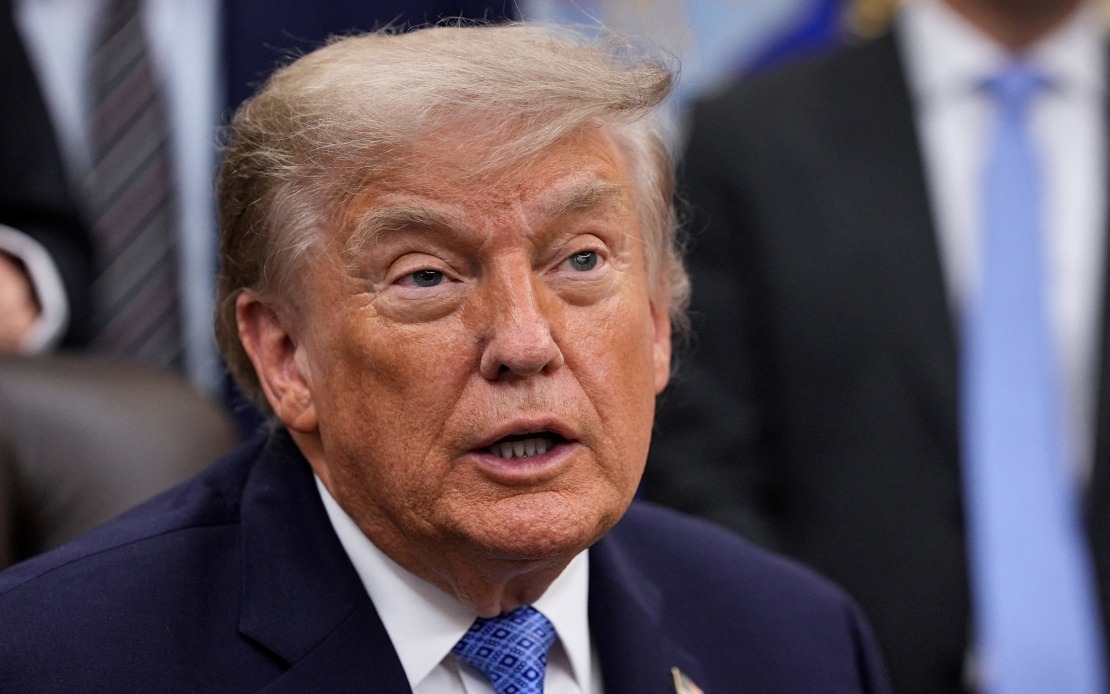
US President Donald Trump announced late Tuesday that he is temporarily suspending a 50 per cent tariff increase on Canadian goods that was set to take effect the following morning. The three-day pause, disclosed through his Truth Social platform, comes as negotiations between Washington and Ottawa intensify to resolve trade tensions that have threatened approximately C$30 billion (US$22 billion) in cross-border commerce.
The decision to hold the tariffs follows a phone conversation between Trump and Canadian Prime Minister Mark Carney, who had been working urgently to craft an arrangement capable of avoiding the punitive levies. Trump characterised the delay as a deliberate move to allow space for finalising documents related to what he described as a secured deal between the two nations, suggesting a breakthrough may be imminent in discussions that had reached a critical juncture.
Beyond the immediate tariff question, Trump's statement hinted at broader energy sector implications. He referenced the possibility that a Canada-US agreement could enable the revival of the Keystone XL pipeline, a significant infrastructure project that transports crude oil from western Canada to refineries in the American midwest. The Biden administration halted construction on the pipeline in 2021 as part of its environmental policy agenda, a decision that triggered widespread debate about energy security, job creation, and climate considerations on both sides of the border.
For Malaysian and Southeast Asian observers, this trade dispute carries important ramifications. Canada ranks among the world's largest commodity exporters, and tariff escalations targeting Canadian goods create ripple effects across global supply chains. The uncertainty surrounding the tariff regime influences investment decisions, pricing structures, and procurement patterns that eventually touch Asian economies dependent on stable international trade frameworks.
The three-day window is strategically significant as it allows negotiators to work without the pressure of an imminent deadline, yet maintains urgency by fixing a firm endpoint for agreement. This breathing room enables both governments to resolve outstanding technical issues, confirm specific terms, and prepare domestic political support for whatever arrangement emerges. Trump's framing of the deal as essentially concluded suggests confidence that the extension will suffice to complete negotiations rather than merely postpone conflict.
Canadian industries have watched these developments with considerable anxiety. Automotive manufacturers, agricultural exporters, and resource companies all depend on tariff-free or preferential access to the US market under existing trade arrangements. A 50 per cent levy would have created severe competitive disadvantages and potentially triggered significant supply chain restructuring across North America. The reprieve provides temporary relief for businesses already grappling with inflation and operational challenges.
Mark Carney's role as Prime Minister reflects recent political shifts in Canadian governance and underscores Ottawa's commitment to preserving the continental trade relationship that forms the foundation of Canada's economic prosperity. His direct engagement with Trump indicates the gravity Ottawa places on avoiding tariff escalation. The successful navigation of this crisis, should it materialise, would strengthen Carney's credibility domestically while demonstrating Canada's continued capacity to manage its most critical bilateral relationship.
The Keystone XL reference introduces an intriguing dimension beyond tariffs. If pipeline revival becomes part of a broader agreement, it would represent a significant policy reversal and carries geopolitical implications for energy markets. Such a development would enhance North American energy independence, affect oil price dynamics, and potentially shift investment patterns in global energy infrastructure. The symbolism of reviving a project that became emblematic of Biden-era environmental initiatives carries considerable weight in American domestic politics.
From a Southeast Asian perspective, the outcome matters because it signals how the Trump administration approaches trade negotiations and tariff instruments more broadly. If this confrontation concludes with both sides claiming victory and securing tangible benefits, it establishes a template for how future trade disputes might be resolved. Conversely, if the three-day pause collapses into renewed conflict, it demonstrates the administration's willingness to proceed with aggressive trade measures despite their disruptive effects.
The pause also reflects broader strategic calculations within the Trump administration regarding supply chain reliability and continental economic integration. Rather than escalating conflict immediately, allowing negotiation space suggests confidence in America's negotiating position while acknowledging that mutual prosperity requires functional trade relationships. This measured approach contrasts with more combative rhetoric but maintains leverage through the credible threat of imminent tariffs.
Market observers will scrutinise these three days closely for signals about whether genuine progress is being made or whether positions remain fundamentally incompatible. Any public statements from either government, changes in negotiating teams, or statements from affected industries could provide clues about the trajectory. The success or failure of this pause will influence expectations for how other potential trade disputes, including with other major trading partners, might be handled.
The tariff deferment represents a crucial moment for North American trade relations and demonstrates that even significant conflicts retain space for negotiation and compromise. Whether this pause ultimately proves productive or merely delays inevitable confrontation will become apparent within seventy-two hours, but the willingness to pause suggests both parties recognise the costs of outright trade warfare and prefer achieving mutually acceptable solutions when circumstances permit.

