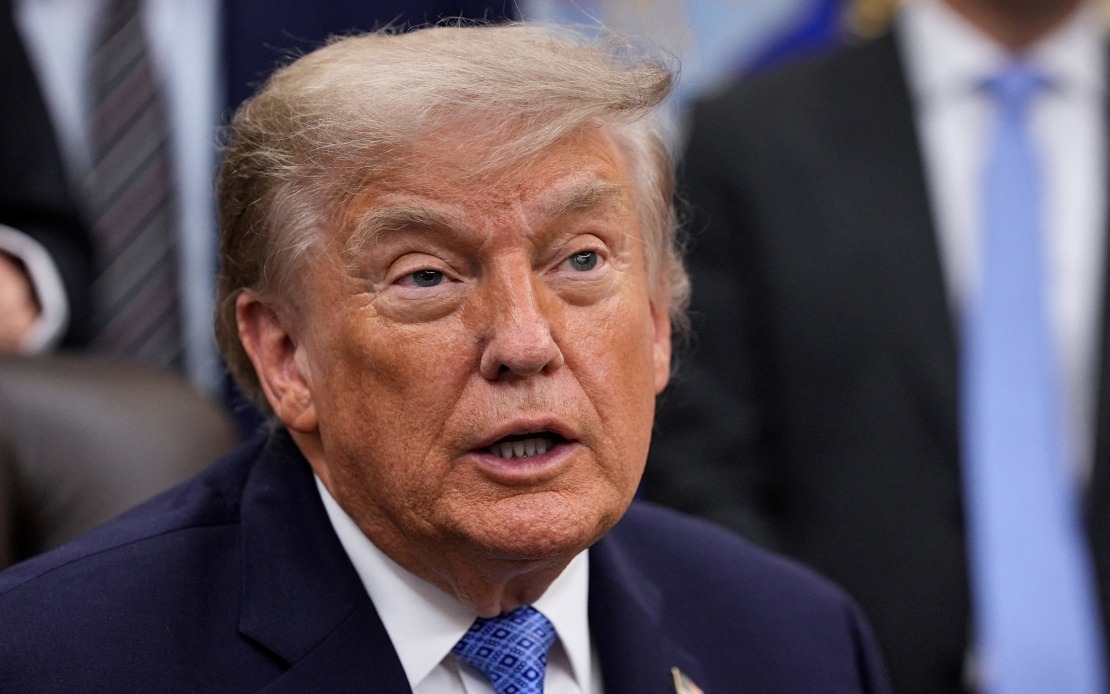
President Donald Trump is preparing to address the American public through a prime-time televised speech scheduled for Thursday evening at 9pm Eastern Time, according to an announcement posted on his Truth Social platform. The timing places the address in one of the most watched slots on American television, a choice that underscores the significance the administration attaches to the message. German Press Agency reported the announcement, which carries implications extending beyond US borders given global market sensitivities to American policy statements.
The decision to deploy a major national address comes at a particularly turbulent moment in US foreign policy. Iran-related tensions have dominated American news cycles for several months, creating sustained pressure on global energy markets and contributing to elevated fuel prices that affect consumers and economies worldwide, including throughout Southeast Asia. Recent escalations in the conflict have amplified concerns about supply chain disruptions and petroleum cost volatility, factors that reverberate through regional economies dependent on stable energy pricing.
While Trump's office has not disclosed the specific subject matter of Thursday's speech, observers and analysts are scrutinising the timing and format as signals of its likely content. Presidential addresses of this magnitude are typically reserved for announcements of substantial national importance or responses to critical developments affecting American citizens. The refusal to pre-announce the topic has generated considerable speculation across political and media circles about whether Trump intends to address the Iran situation directly, clarify administration policy on energy pricing, or pivot to an entirely different matter.
This represents Trump's second major national address since beginning his second presidential term in January 2025. His previous televised national address occurred in December, when mounting domestic economic concerns prompted him to defend and explain his administration's economic record to the American electorate. That speech served as a barometer of how Trump seeks to frame economic narratives when political pressure builds, suggesting Thursday's address may similarly be responding to external pressures or internal strategic calculations.
The political calendar adds another layer of significance to the timing. Midterm elections loom approximately four months away, a contest where Trump's Republican Party currently faces challenging polling dynamics. National addresses during election cycles often serve dual purposes: communicating policy positions while simultaneously energising the party base and attempting to shift media narratives in favour of the incumbent administration. For Republicans facing electoral headwinds, a high-profile presidential address can represent an opportunity to reset public perception and consolidate support among core voters.
Energy markets and geopolitical observers across Southeast Asia will be monitoring the speech with particular interest. Rising fuel prices stemming from Iran tensions have cascading effects throughout the region's economies, affecting transportation costs, manufacturing competitiveness, and inflation pressures. Malaysia and other petroleum importers in the region face direct exposure to American policy decisions regarding Iran and global energy markets. Understanding Trump administration intentions regarding these volatile situations is essential for regional economic planning and policy formulation.
The choice of a Thursday evening address also reflects traditional American political strategy. Evening time slots capture broader audiences including working families and evening news viewers, maximising exposure compared to daytime addresses. This selection suggests the administration considers reaching the widest possible domestic audience essential to whatever message Trump intends to convey, implying the address tackles issues the administration believes resonate broadly with Americans rather than specialised constituencies.
Trump's preference for direct television addresses represents a consistent communication strategy throughout his political career. Bypassing traditional media intermediaries through televised speeches allows him to frame messages without editorial interpretation or journalistic questioning. For international observers seeking clarity on American policy direction, these unfiltered addresses provide direct insight into presidential thinking, though interpretation remains subject to how different constituencies parse ambiguous or multivalent statements.
The absence of advance topic specification leaves open multiple interpretive possibilities. Beyond Iran and energy policy, the address could potentially address domestic political developments, economic announcements, or security matters. This uncertainty itself becomes newsworthy, as markets and observers attempt to anticipate possible outcomes. The gap between announcement and delivery creates space for speculation and position-taking, with analysts attempting to deduce intentions from contextual clues and scheduling decisions.
For regional stakeholders including Malaysian policymakers and business leaders, Thursday's address represents a potential turning point in understanding American strategic priorities and their implications for the Indo-Pacific region. Whether Trump uses the platform to escalate or de-escalate Iran tensions will substantially impact energy markets and regional stability perceptions. The speech's contents will likely influence everything from commodity pricing to defence planning throughout Southeast Asia in the months leading toward American midterm elections.

